Iguana Iguana Rhinolopha

Der Drachenkopf des Iguana iguana rhinolopha

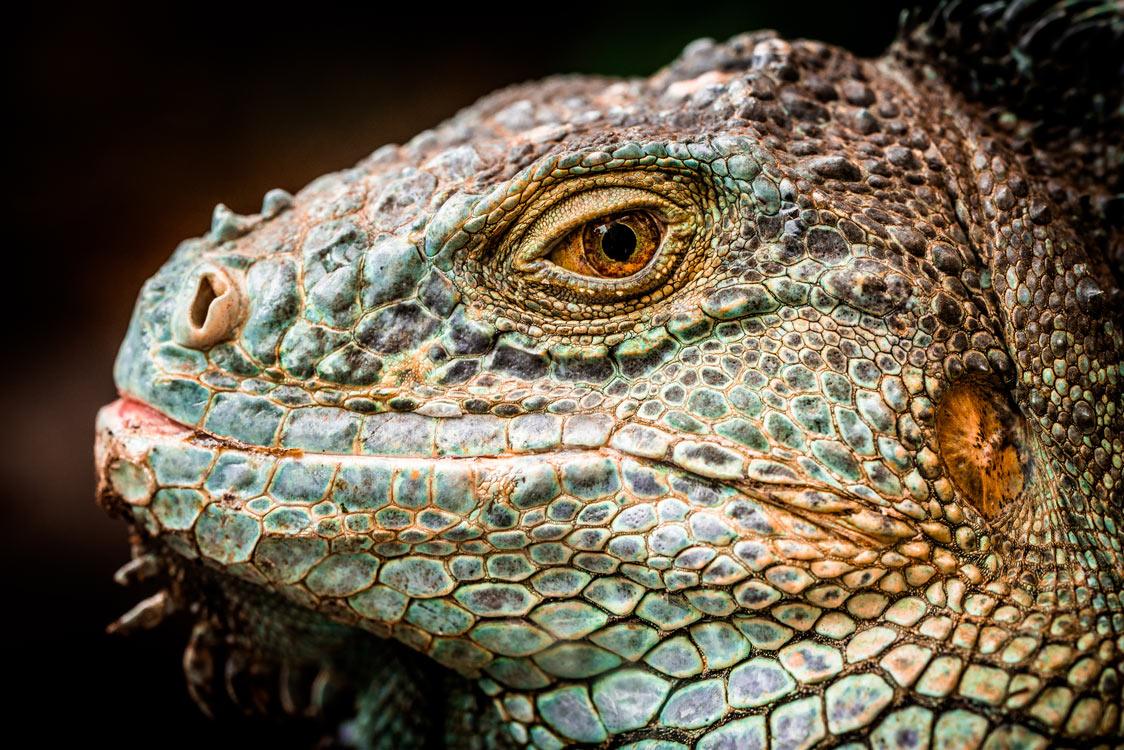
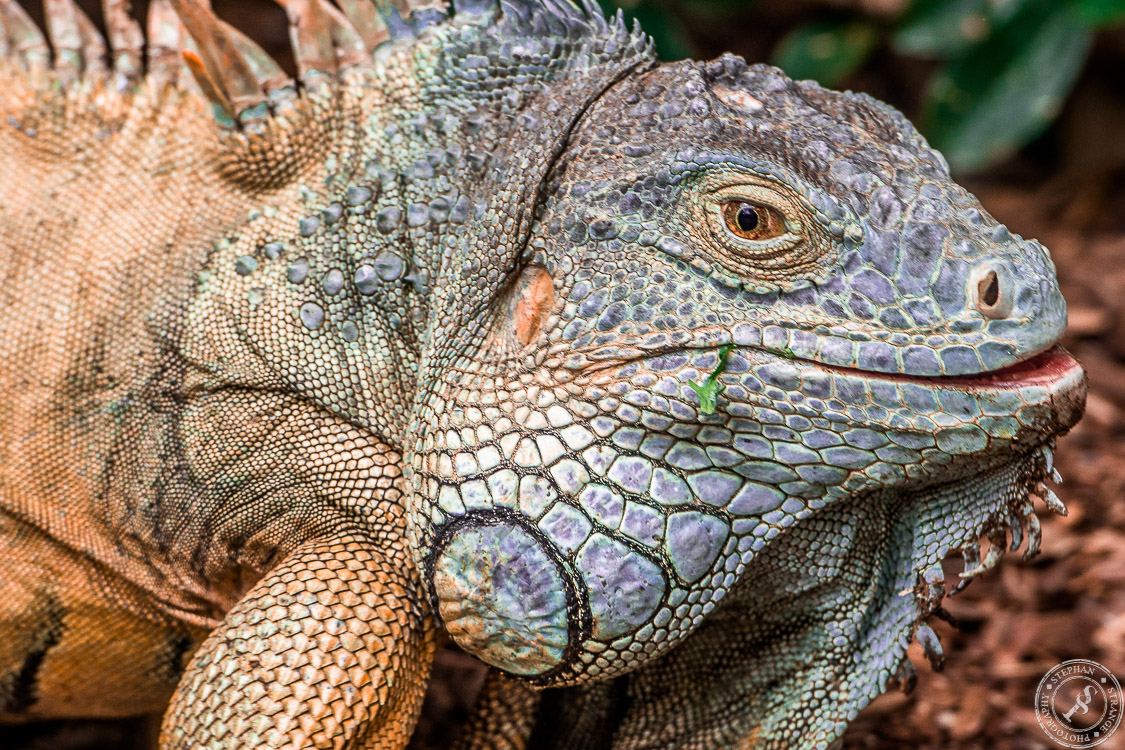
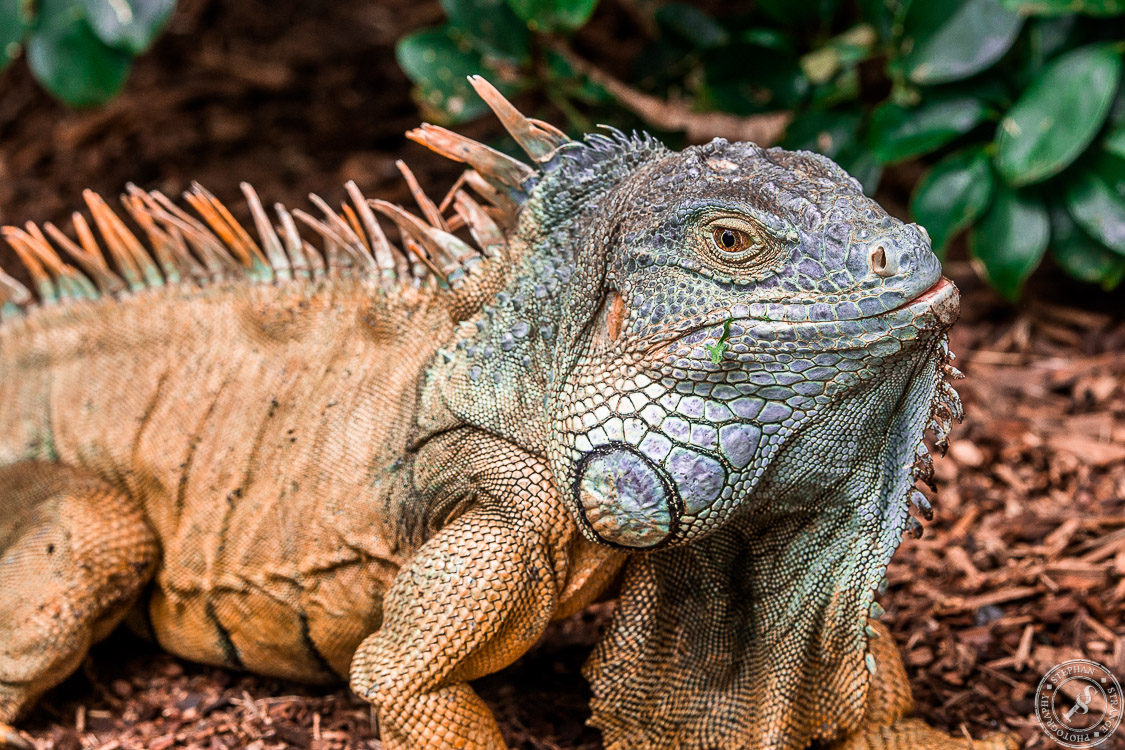
Der Iguana Iguana Rhinolopha ist eine Unterart des grünen Leguans. Einen deutschen Namen konnte ich leider nicht finden. Er läuft unter Grüner Leguan unterart. Der Drachenkopf des Iguana iguana rhinolopha. Einer aus Mittelamerika kommende Unterart des grünen LeguansIm englischen scheint es ähnlich zu sein. Schweres Schicksal, aber na ja 🙂 Der Iguana Iguana Rhinolopha kommt vor allem in Mittelamerika vor und ist recht leicht an seinen zwei bis drei kleinen Hörnern auf der Schnauze zu erkennen. Außerdem erschien er mir nicht so grün wie sein Vetter und verfügte über einen wesentlich größeren Höcker unter dem Ohr. Aber vielleicht ist das auch nur ein subjektiver Eindruck. Ich bin nicht wirklich ein Spezialist auf diesem Gebiet. Auf jedenfall finde ich den Kopf des Leguans sehr spannend. Nicht umsonst nennt man ihn auch Drachenkopf, bzw. stellt sich so in der Art einen Drachen vor. Und das er sich nicht wirklich viel bewegt hat ist natürlich von ein Vorteil.

Der Drachenkopf des Iguana iguana rhinolopha. Einer aus Mittelamerika kommende Unterart des grünen Leguans // The deagon like head of the Iguana iguana rhinolopha

His head looks like the head of a dragon. The head of Iguana iguana rhinolopha. Naturalists once classified these iguanas as a separate subspecies. But now they are not sure if they where right with that. I took most of thouse pictures with my Sigma 150mm macro lens. So I am very happy that he is not a very fast moving animal 🙂 Normaly he lives at southern Mexico. But I met him at the Loro Parque on Tenerife.

Faro de Punta Jandia - Parque Natural de Jandia

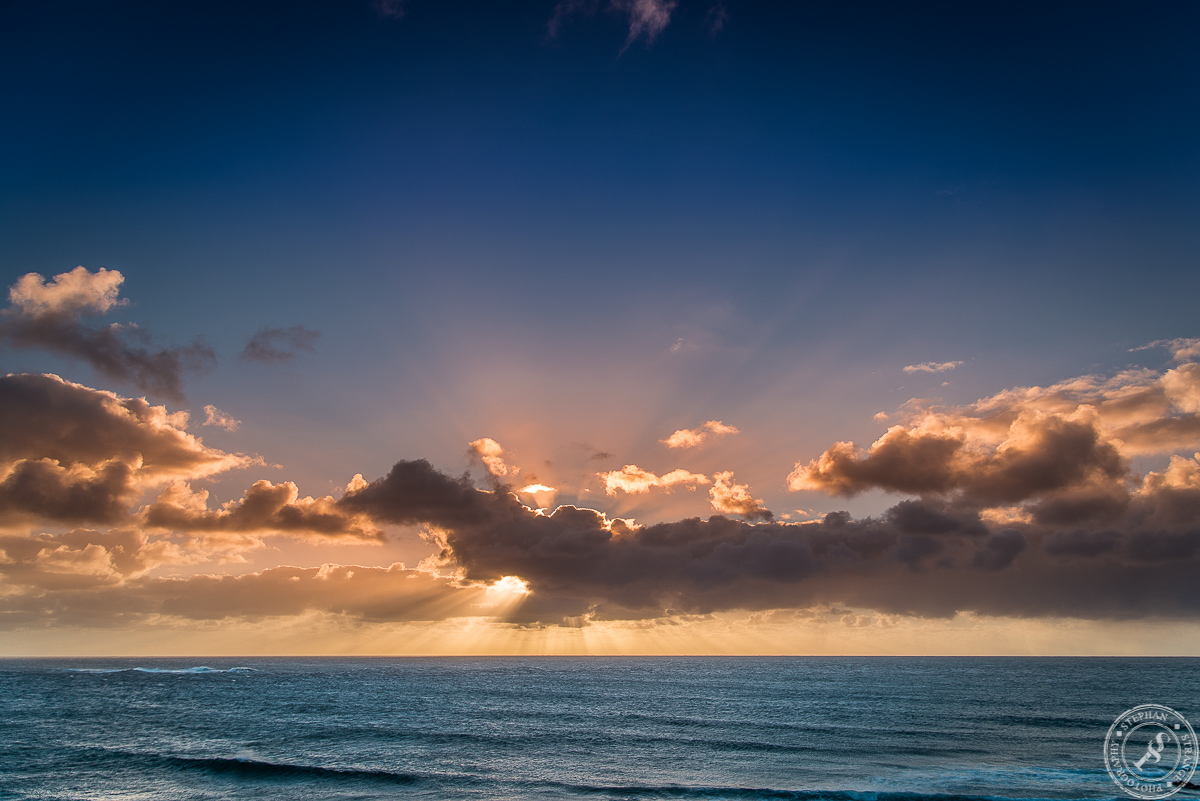
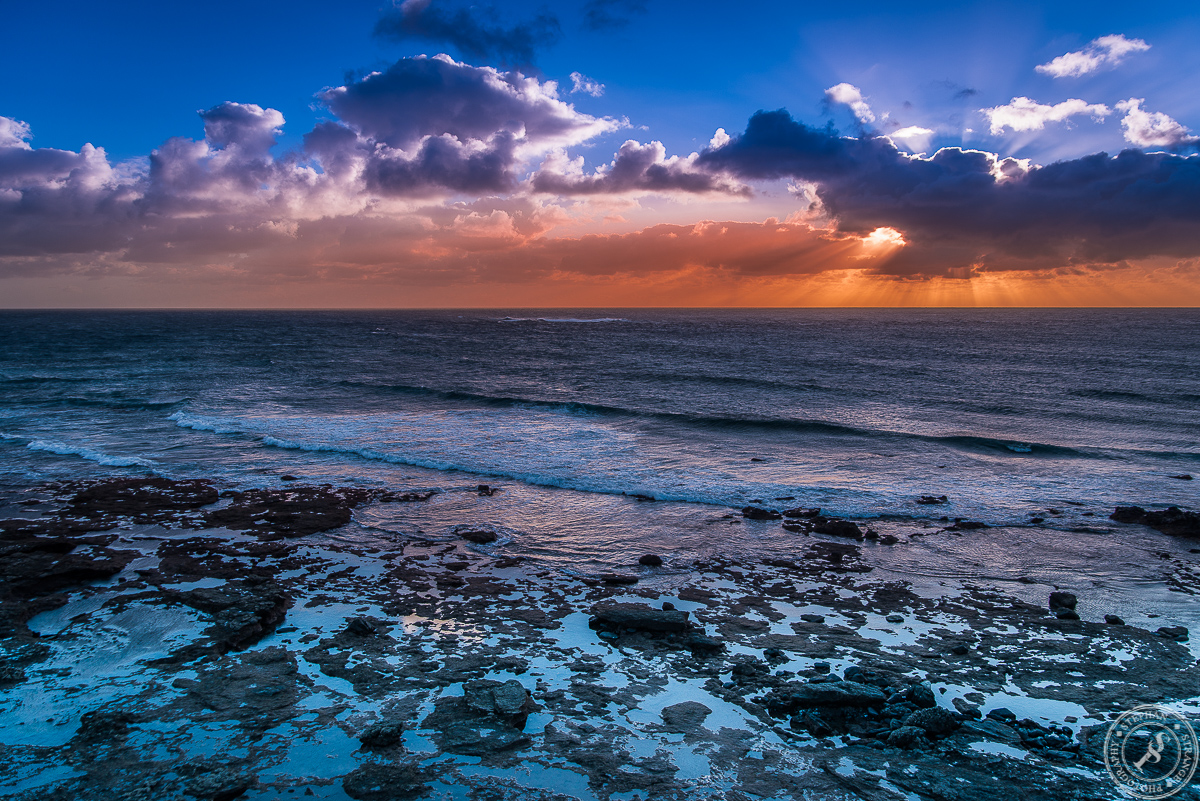
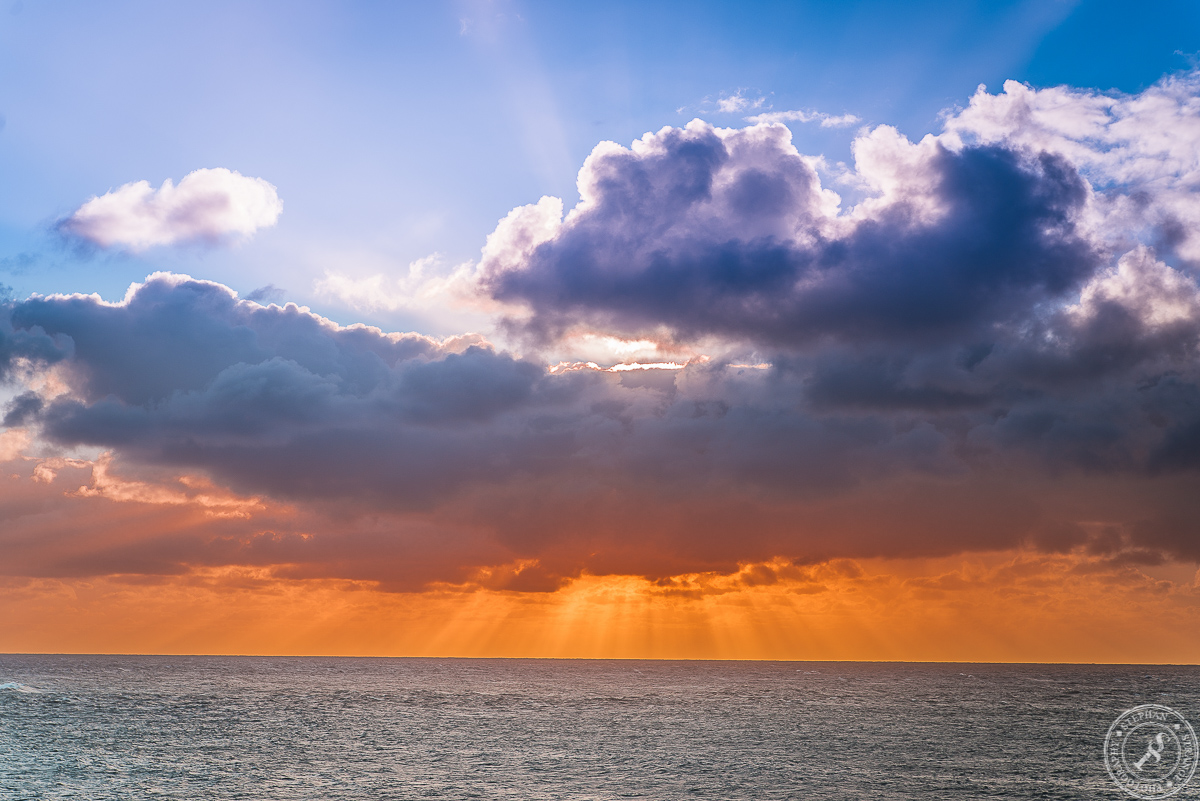
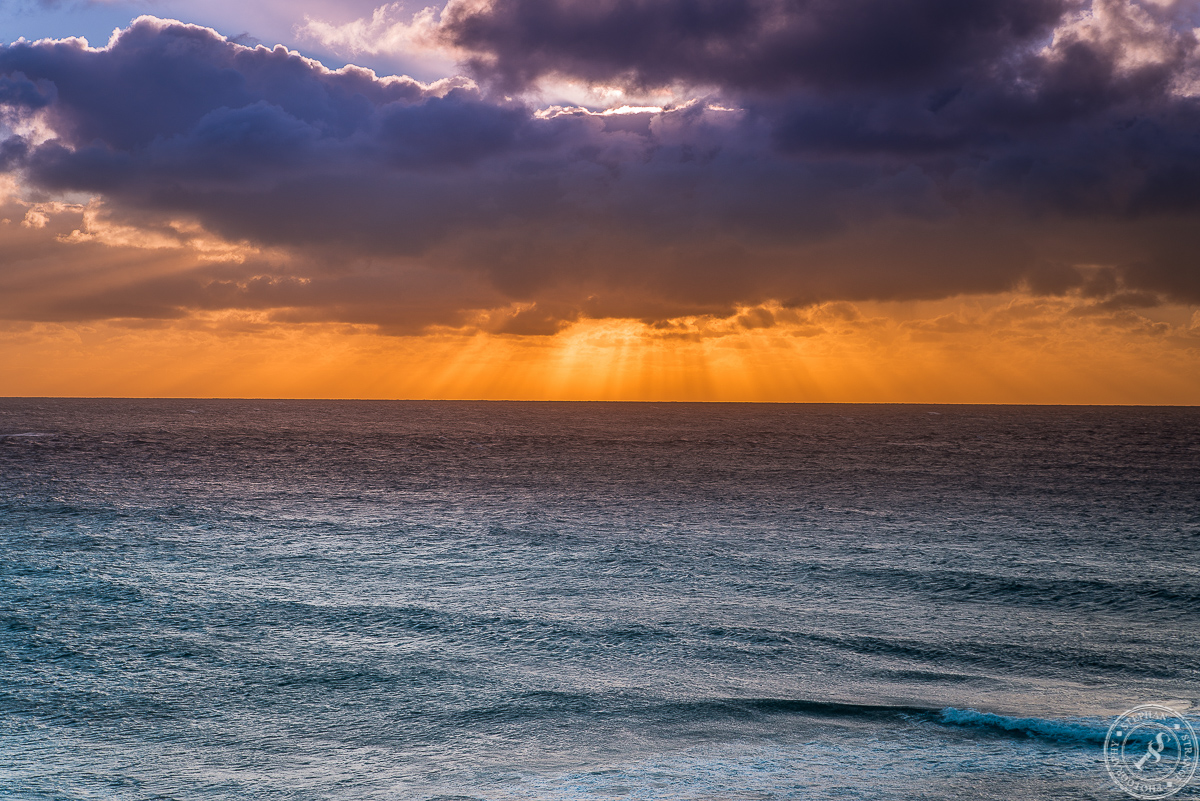
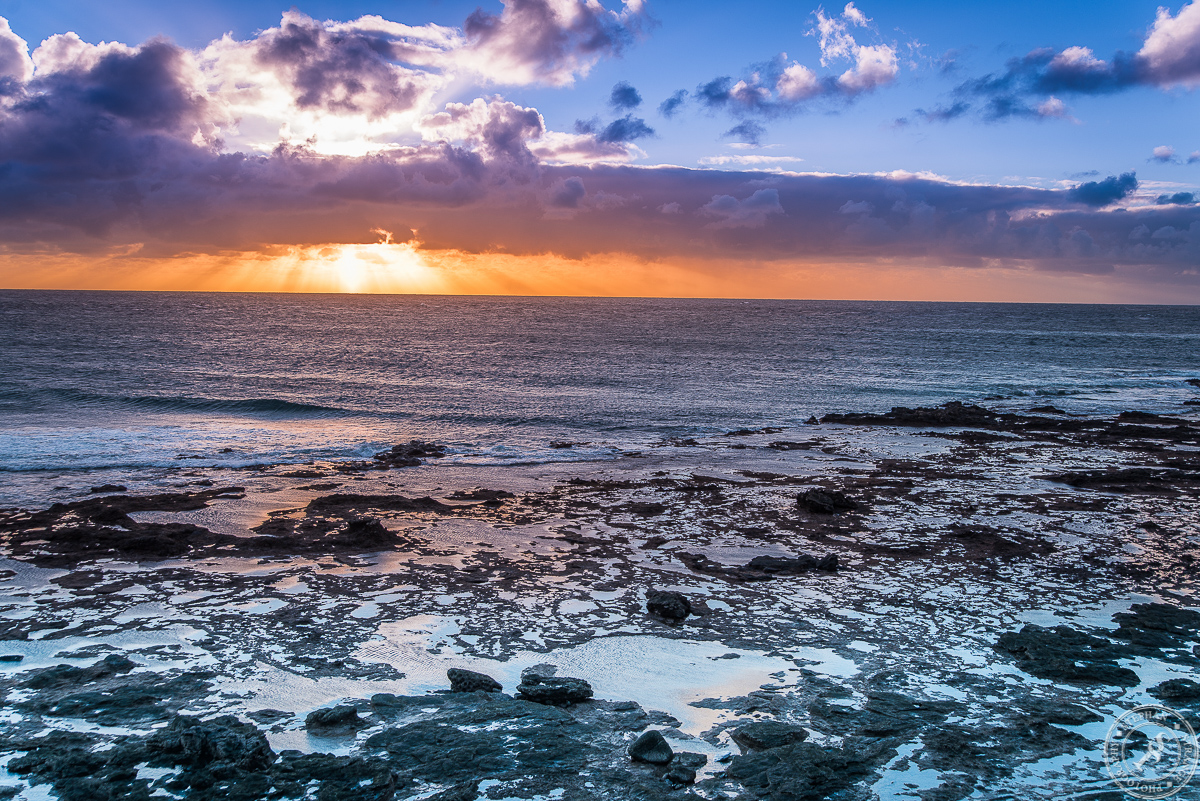
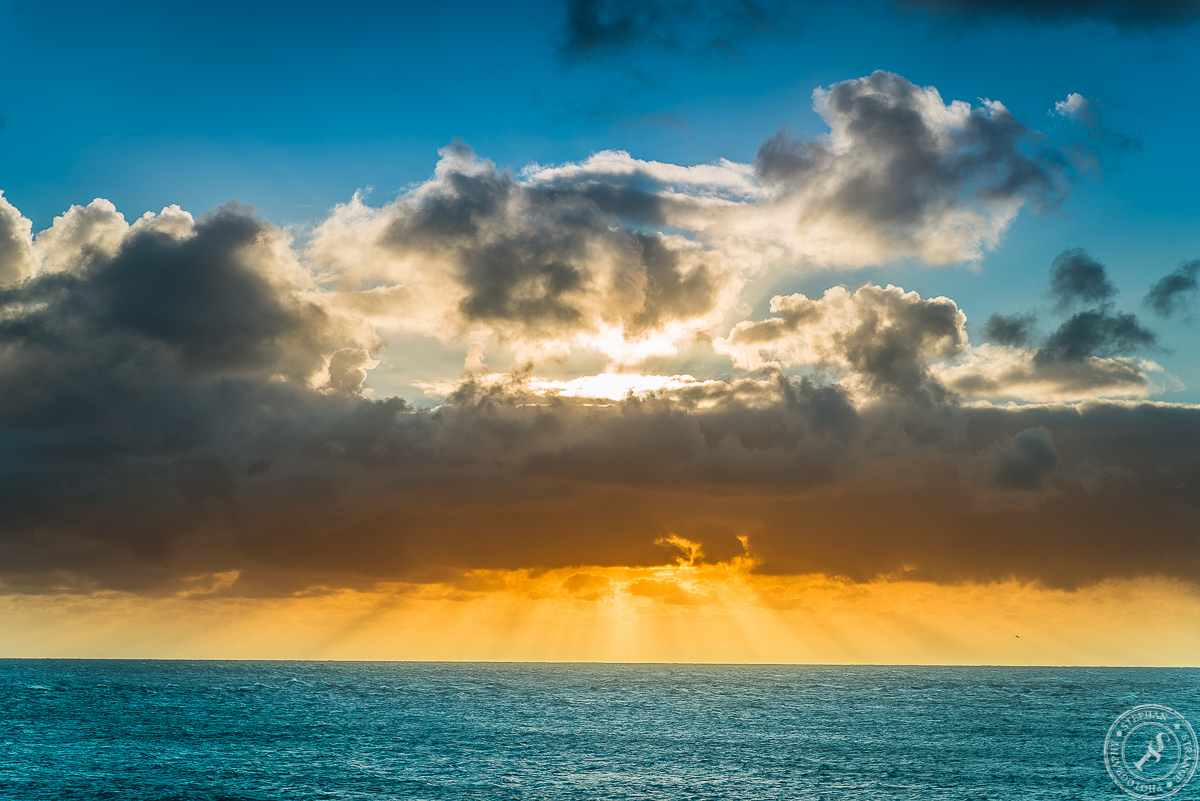
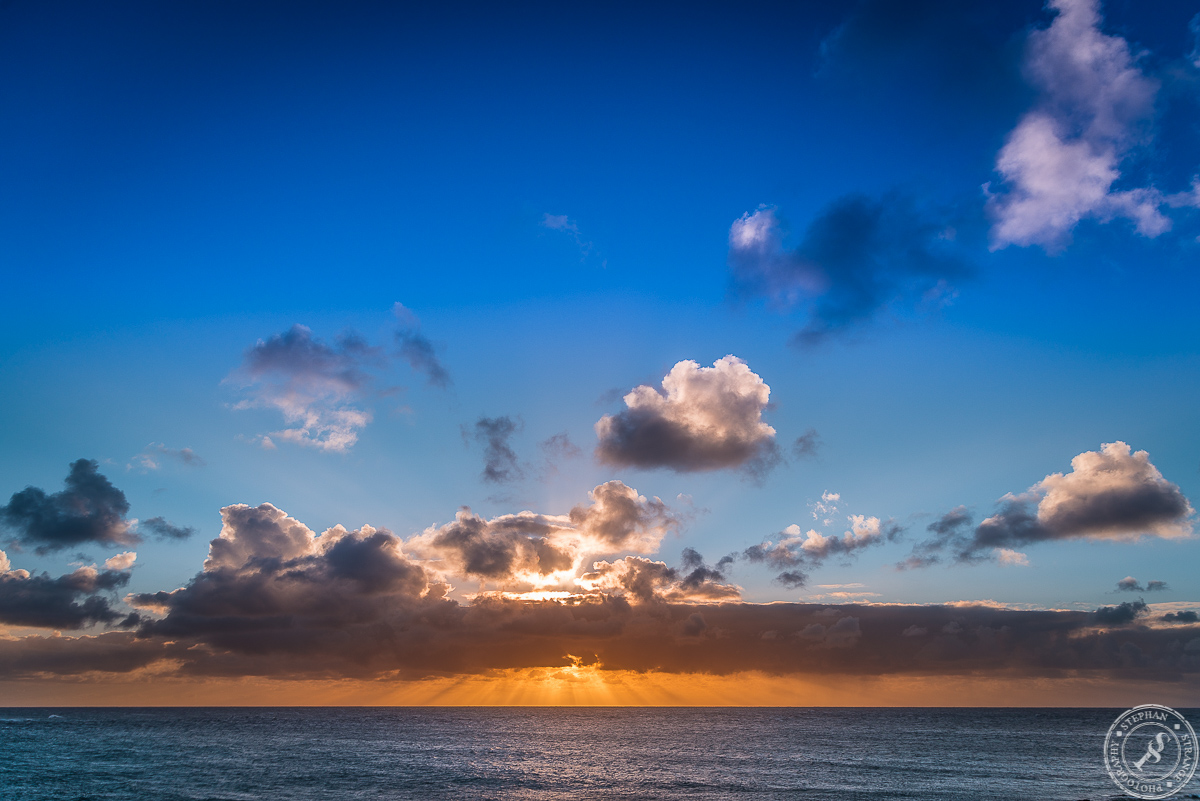
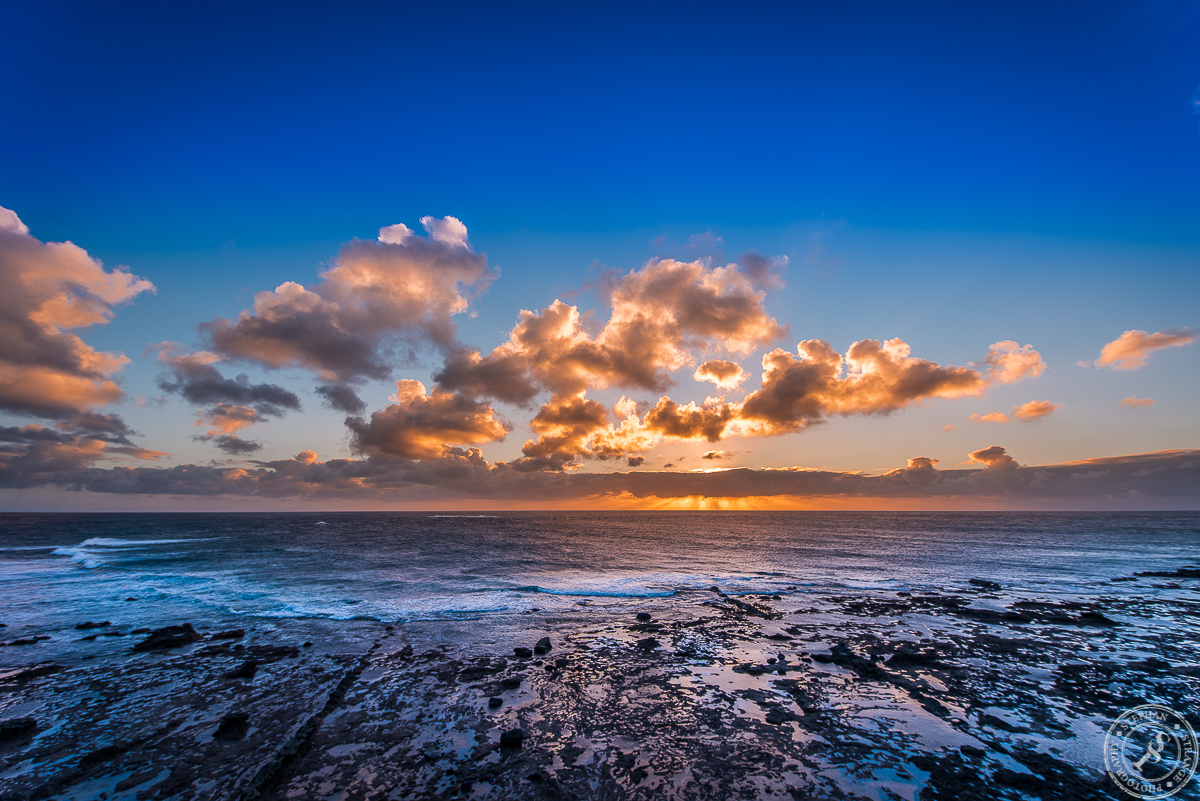
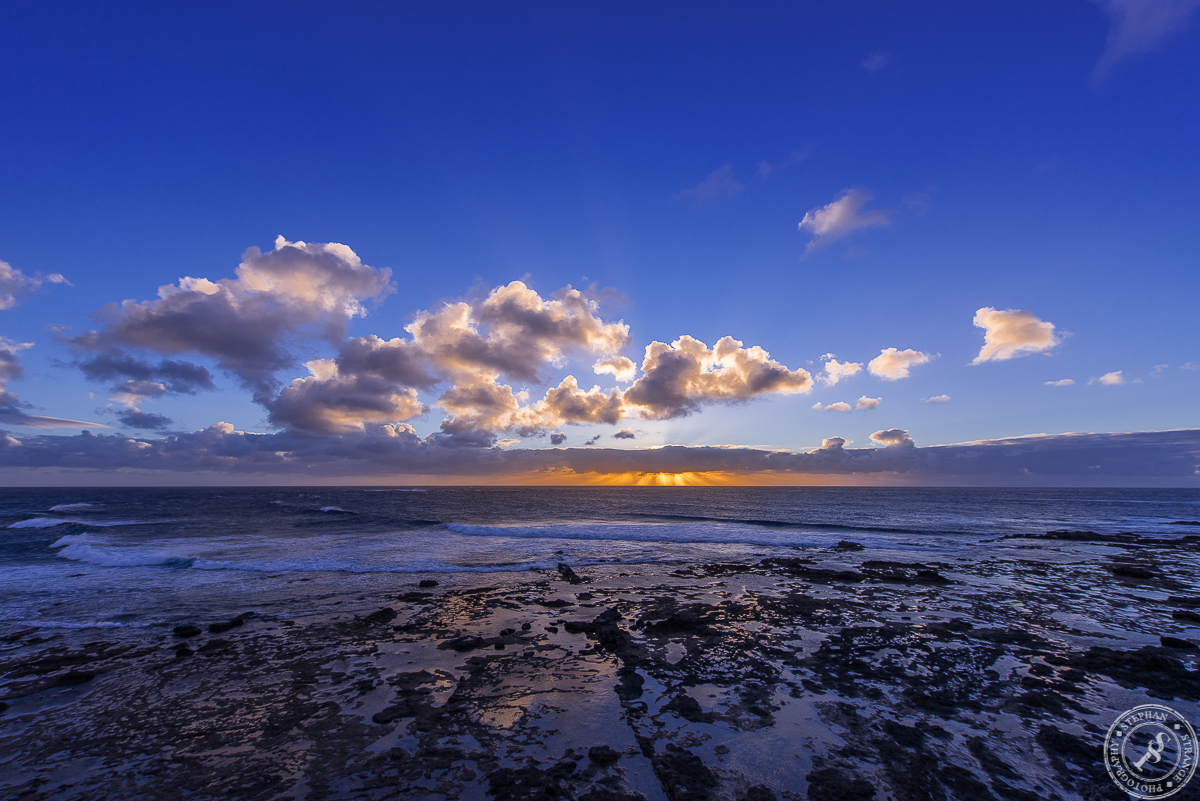
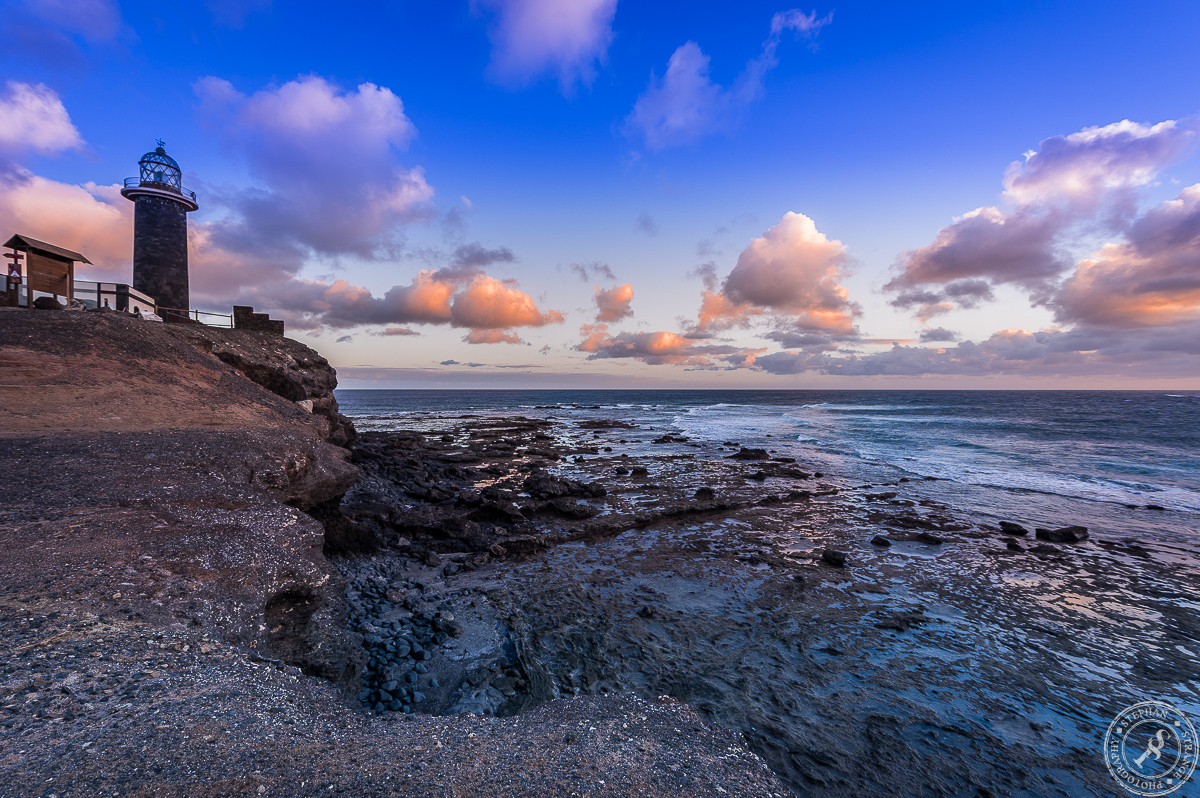
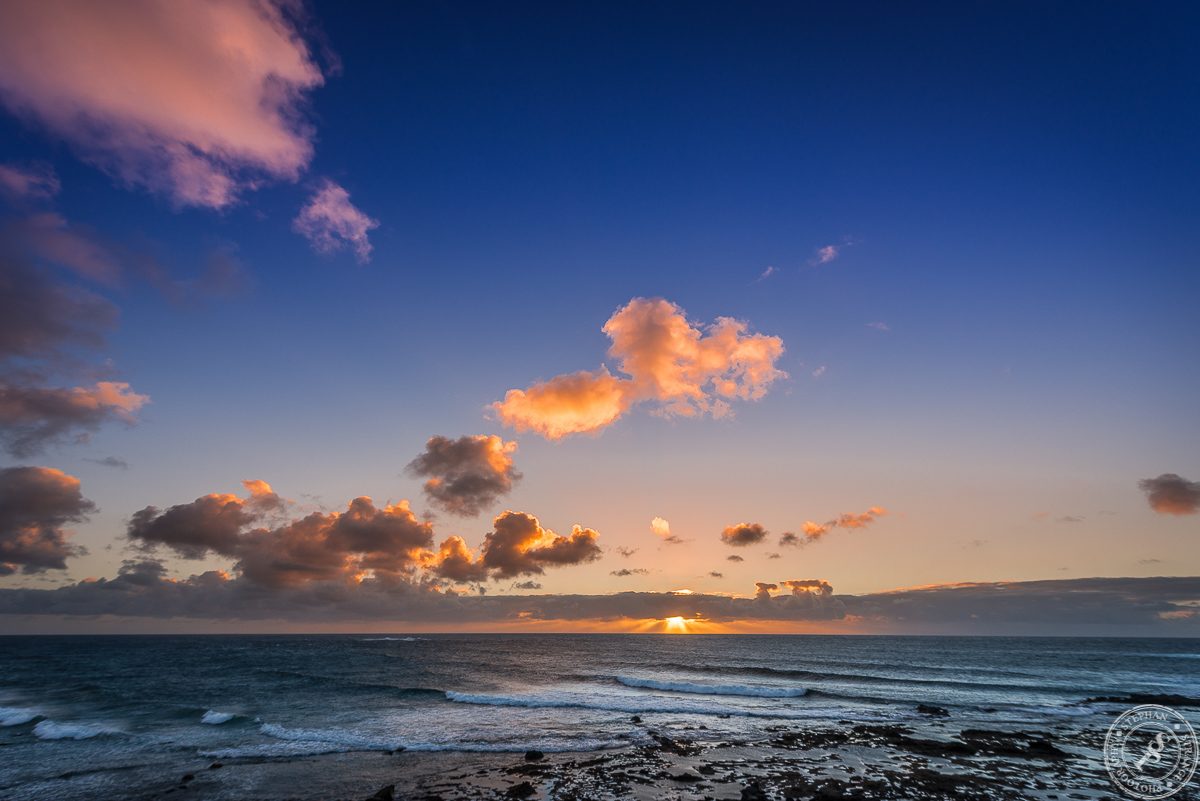
Sonnenuntergänge am Faro de Punta Jandia

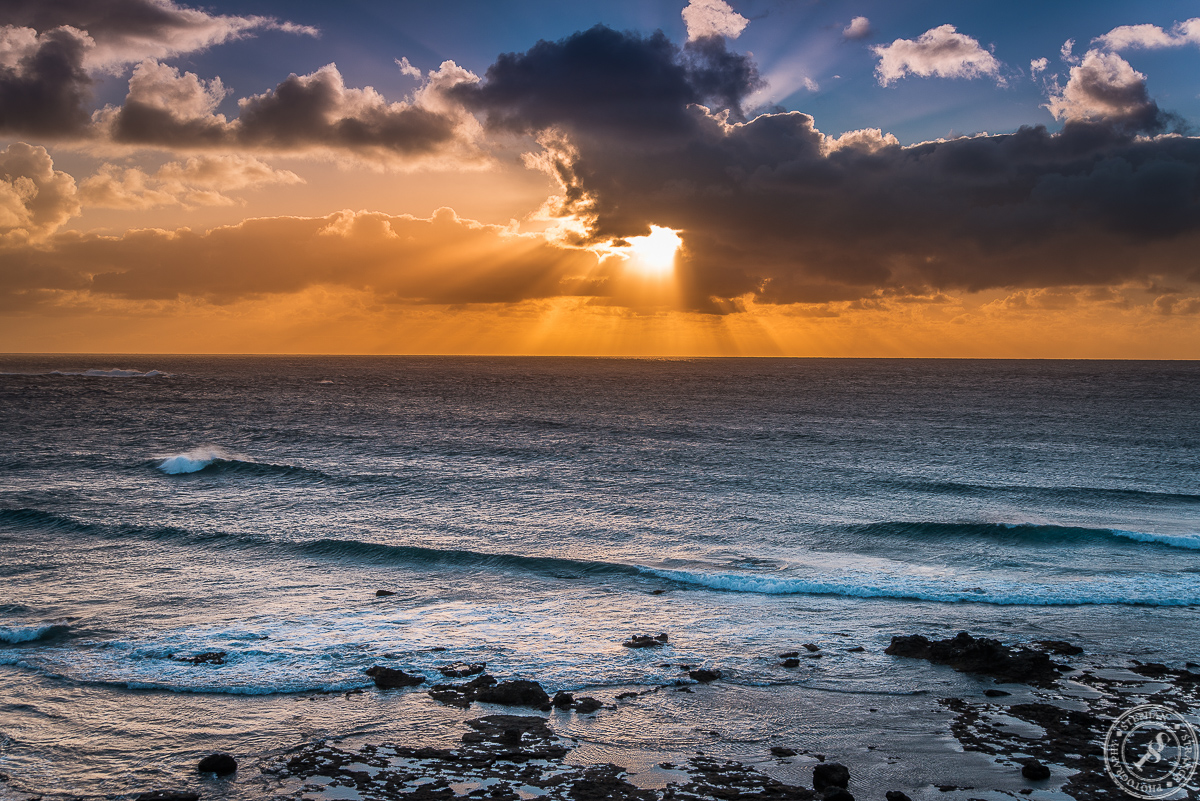
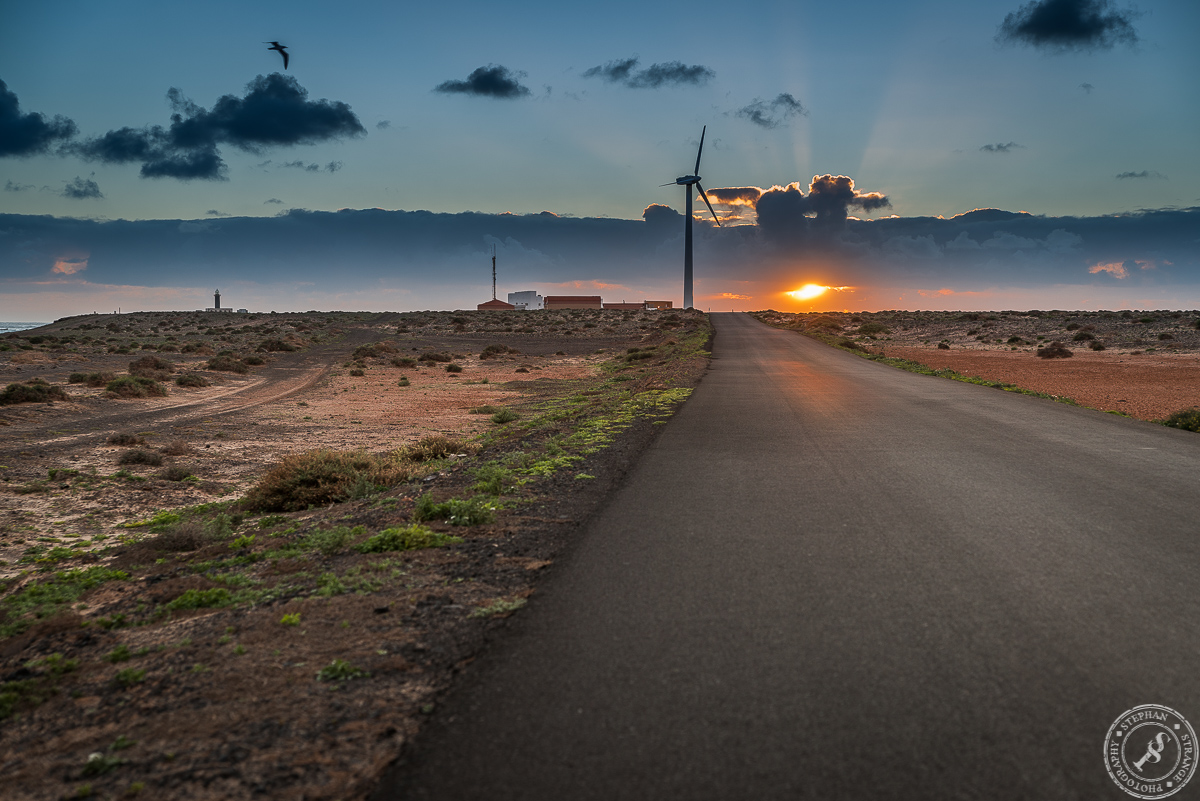
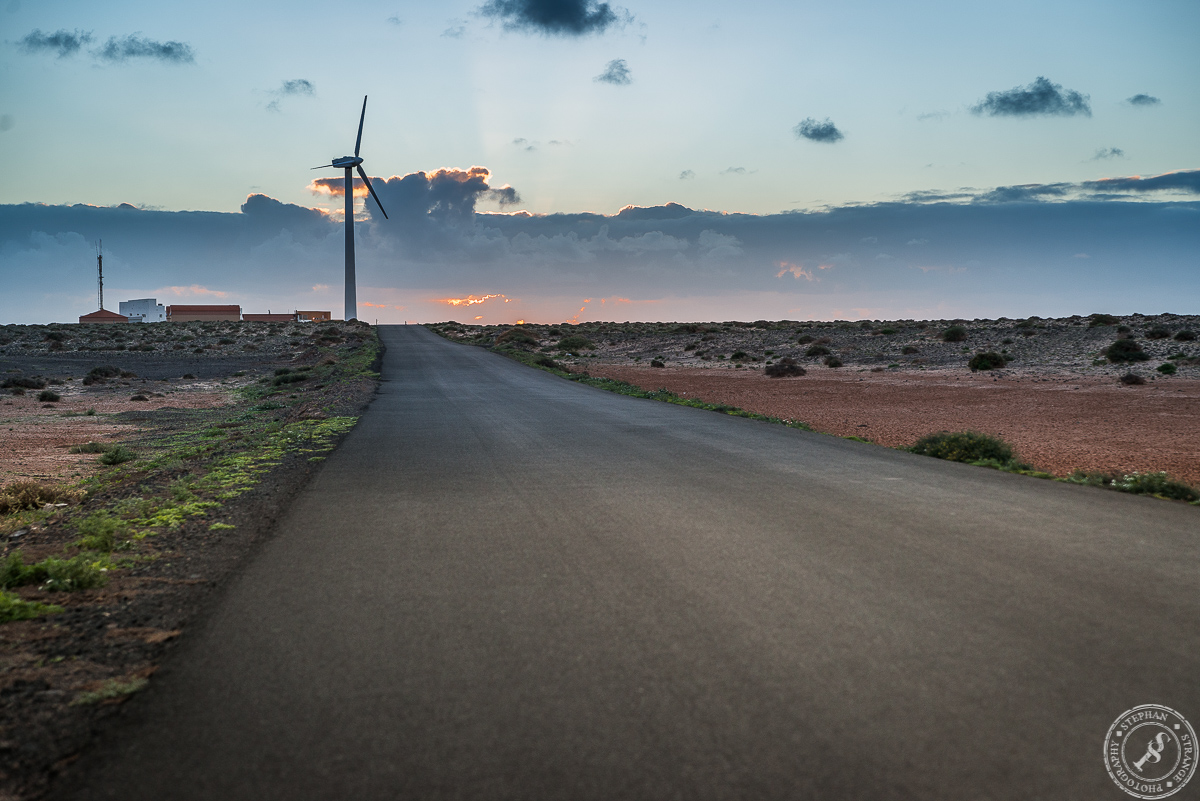
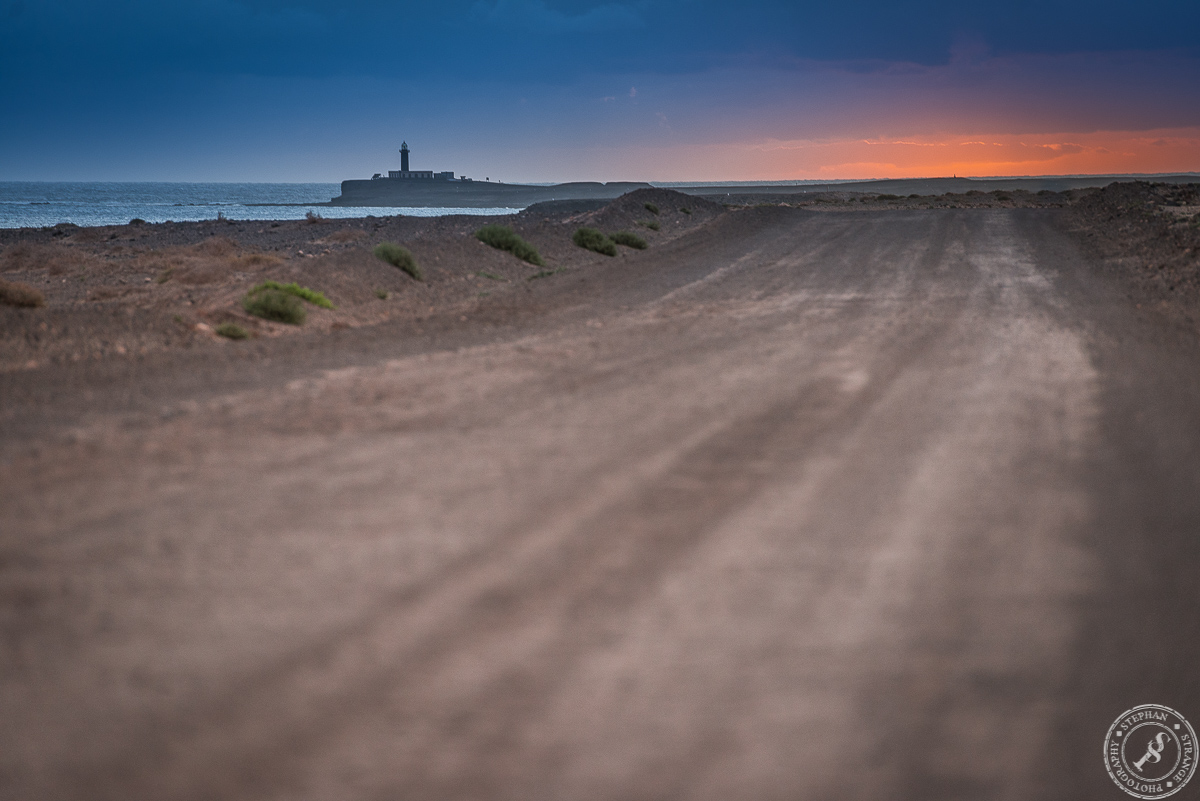
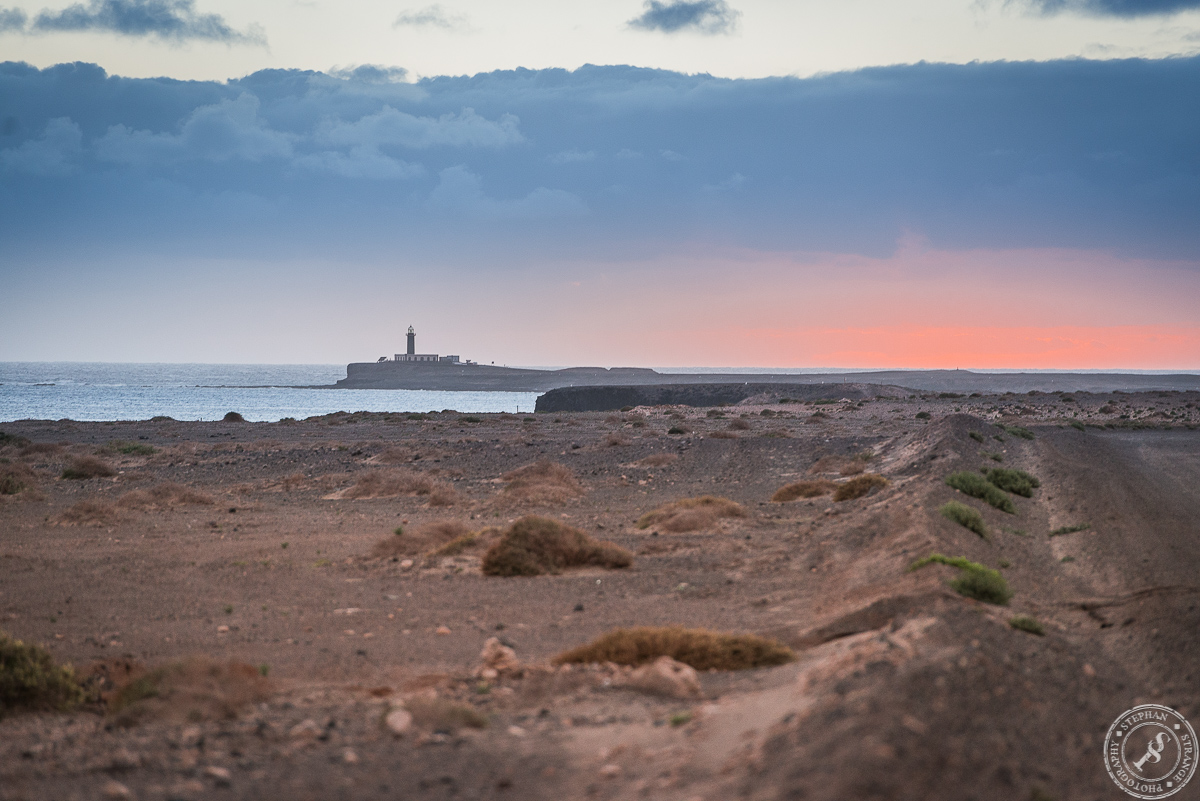
Ganz im Südwesten befindet sich einer der schönsten Leuchttürme von Fuerteventura. Der Faro de Punta Jandia. Man fährt einfach durch Morro Jable durch. Auf der selben Piste welche auch nach Cofete führt. Faro de Punta Jandia - Parque Natural de JandiaDas Wort Straße benutze ich mal absichtlich nicht, denn kurz hinter Morro Jable hört sie auf eine wirkliche Straße zu sein. Ab da wird sie eher zur Buckelpiste. Sie führt etwa 20 Kilometer durch das Naturschutzgebiet Parque Natural de Jandia. Etwa auf der Hälfte der Piste kommt eine Abzweigung welche in die Berge nach Cofete führt. Bevor man zum Faro de Punta Jandia fährt, sollte man kurz nochmal einen Blick in den Mietwagen Vertrag werfen. Es handelt sich bei der Piste zwar um eine offizielle Straße.

Jedoch die meisten Verträge, bzw deren angehängte Versicherungen gelten nur für asphaltierte Straßen und schließen diese Art der Pisten aus. Und die Gefahr auf einen Glas oder Lackschaden ist recht groß. Interessanter weise sind die letzten 3-4 Kilometer neu gemacht und Top asphaltiert. Der Leuchtturm wurde erst mit EU Hilfe renoviert und wie es aus sieht sind auch noch ein paar Kilometer Asphalt mit drinn gewesen.

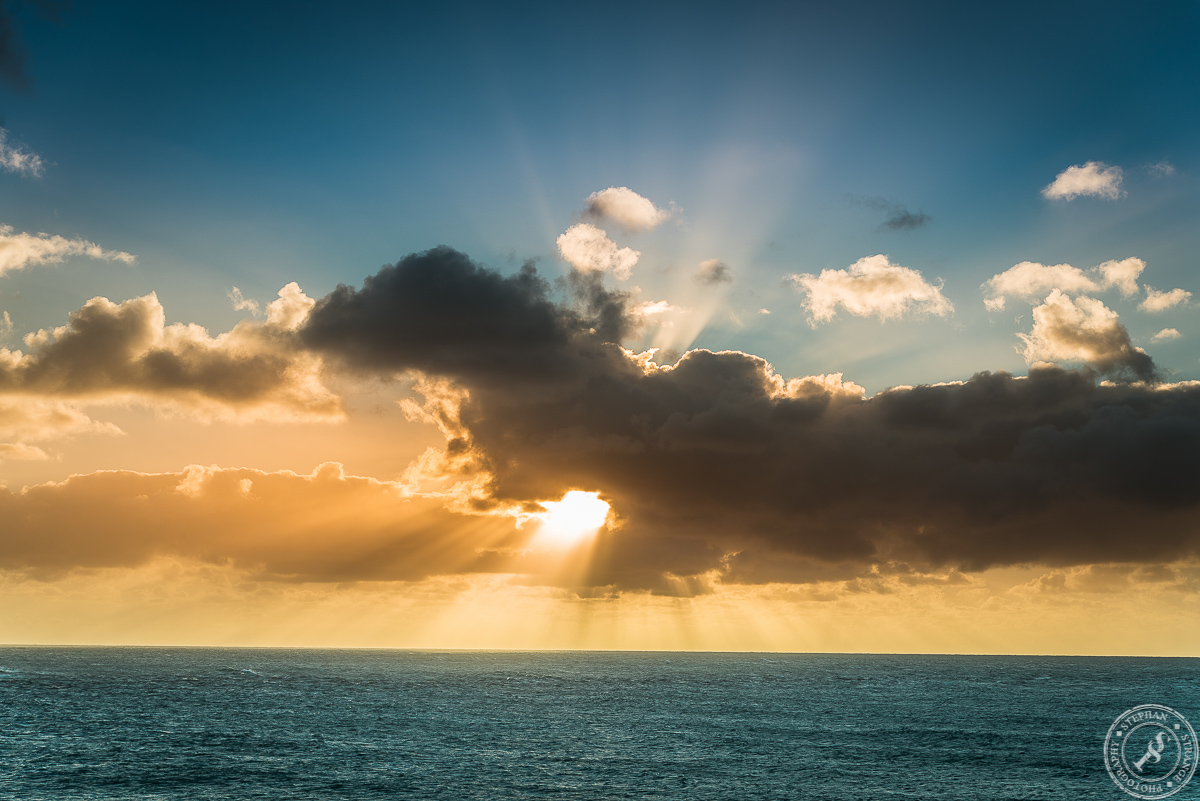
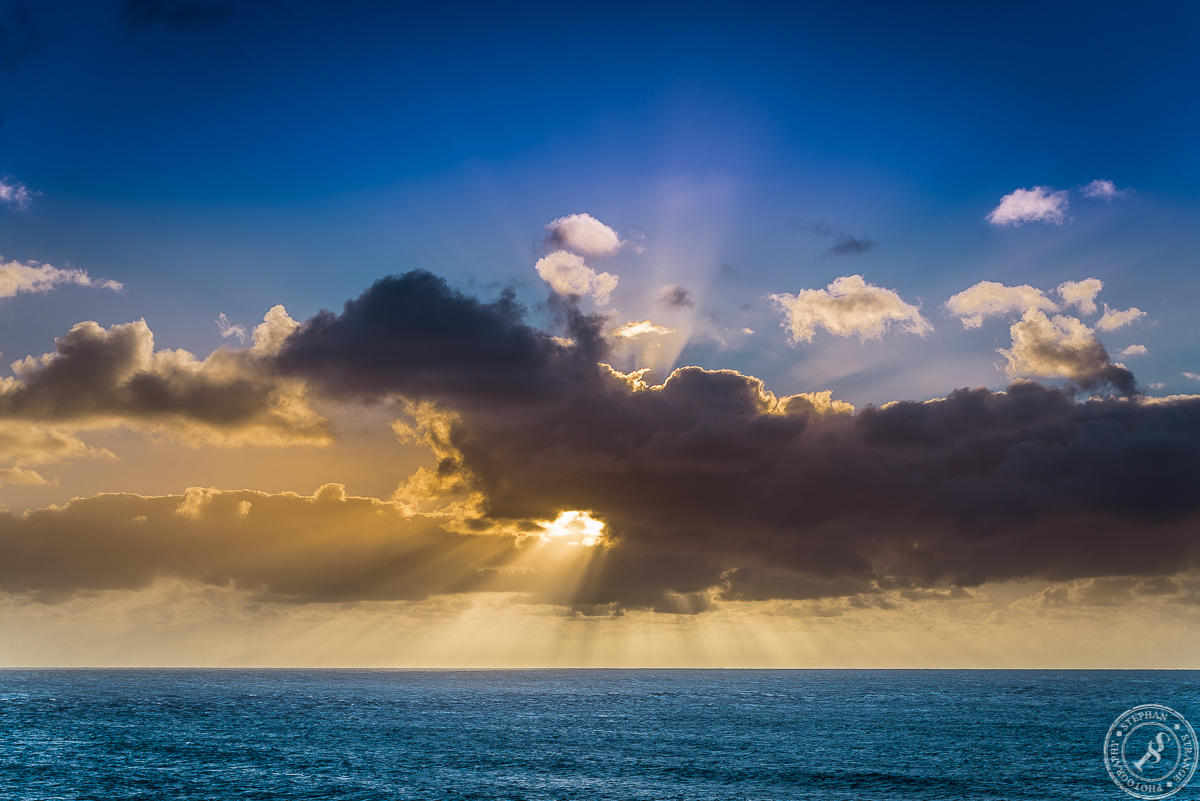
Einmal dort angekommen hat man natürlich eine tolle Aussicht. Es fahren vielen Fähren vorbei und bei gutem Wetter kann man bis Gran Canaria sehen. Allerdings kann es dort auch sehr windig sein. The Punta Jandia LighthouseVor allem gegen Abend. Also auf jeden Fall eine Jacke mit einpacken. Und natürlich die Kamera nicht vergessen. Die Sonnenuntergänge dort sind einfach traumhaft. Und mit etwas Glück man ist dort fast alleine. Wir waren es damals jedenfalls. Die meisten anderen saßen wohl schon im Hotel beim Abendessen.

In the southwest of Fuerteventura is possibly the most beautyfull lighthouse of the whole island. The Punta Jandia Lighthouse. Behind Morro Jable, after about 20 kilometers of gravel roads you are there. At the end of Fuerteventura. With a little bit of luck you can see all the ferrys passing by and Gran Canaria. But the best time to be there is sunset. So don’t miss it, and carry a jacket with you, it’s very windy there.
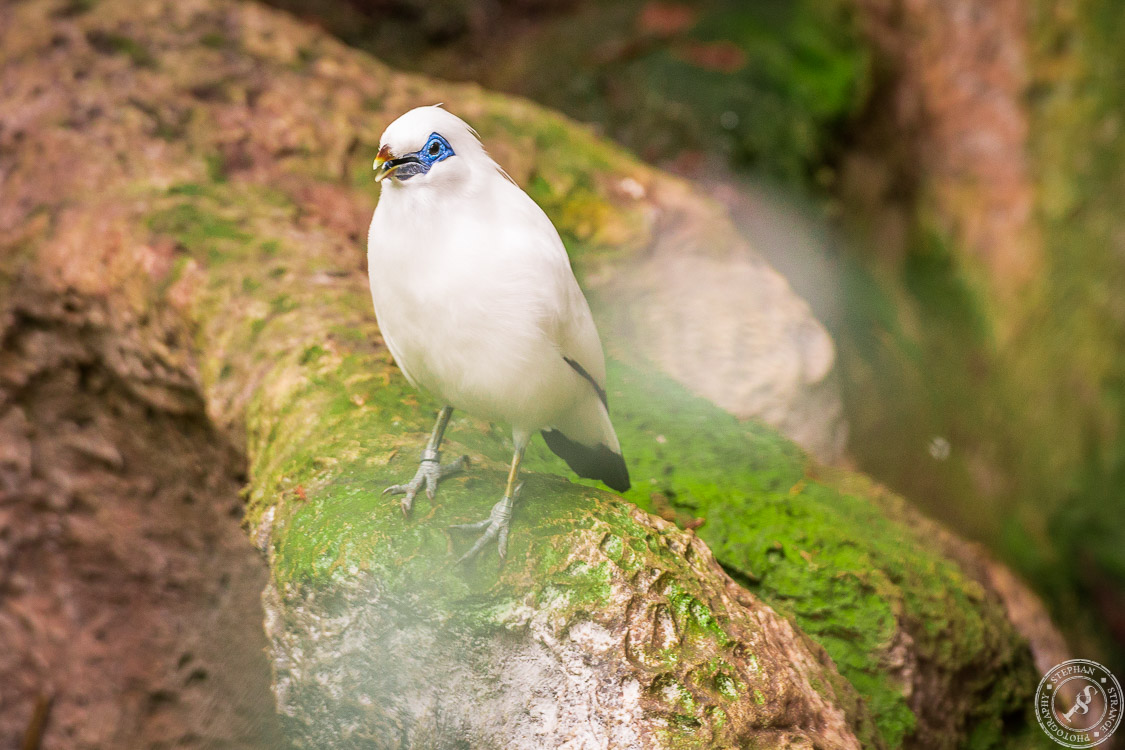
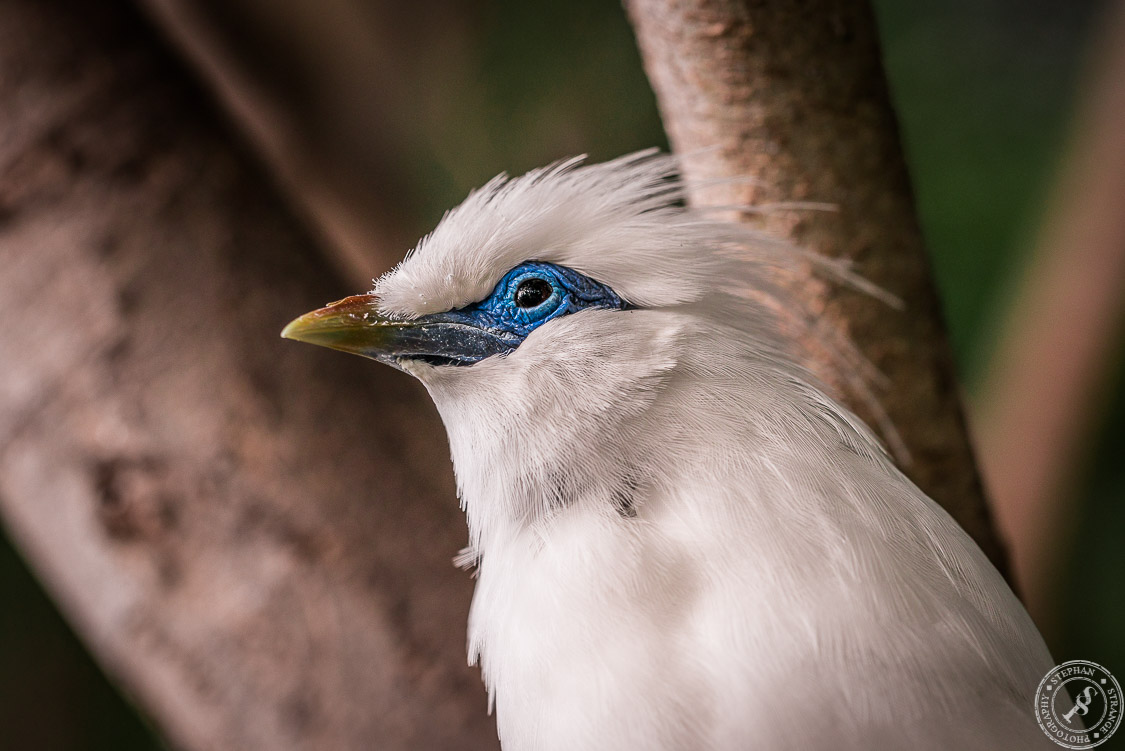
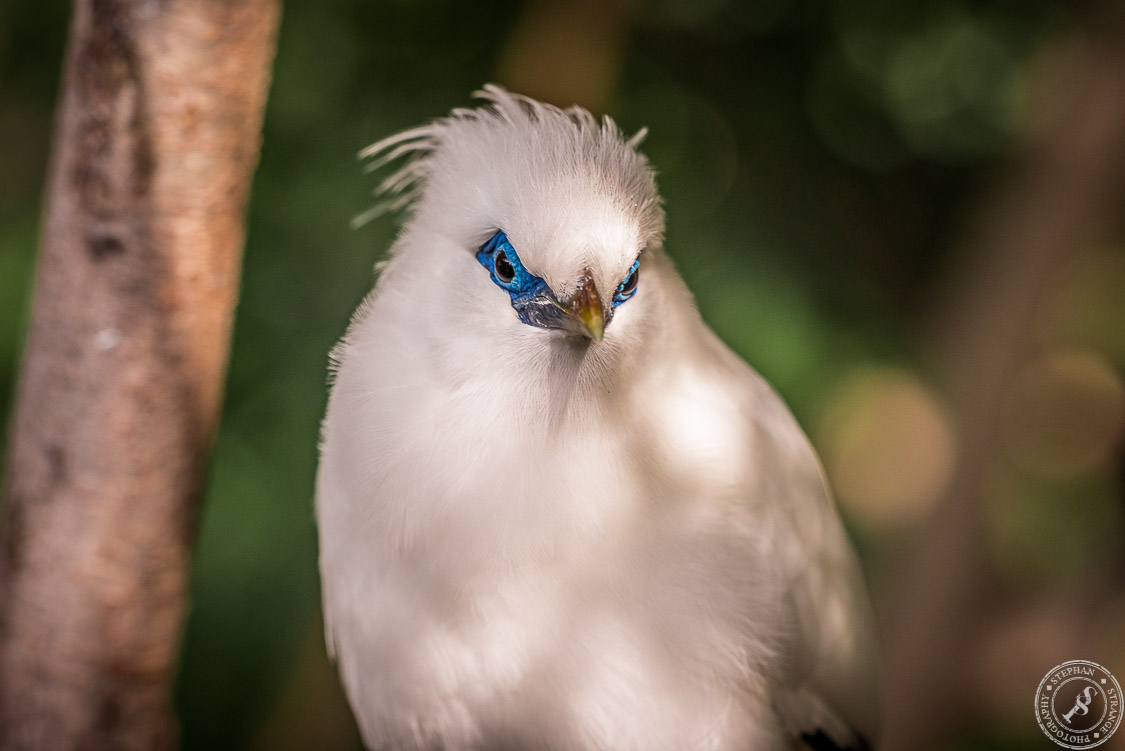
Bali Myna oder auch Balistar genannt

Ein Bali Myna oder auch Balistar genannt

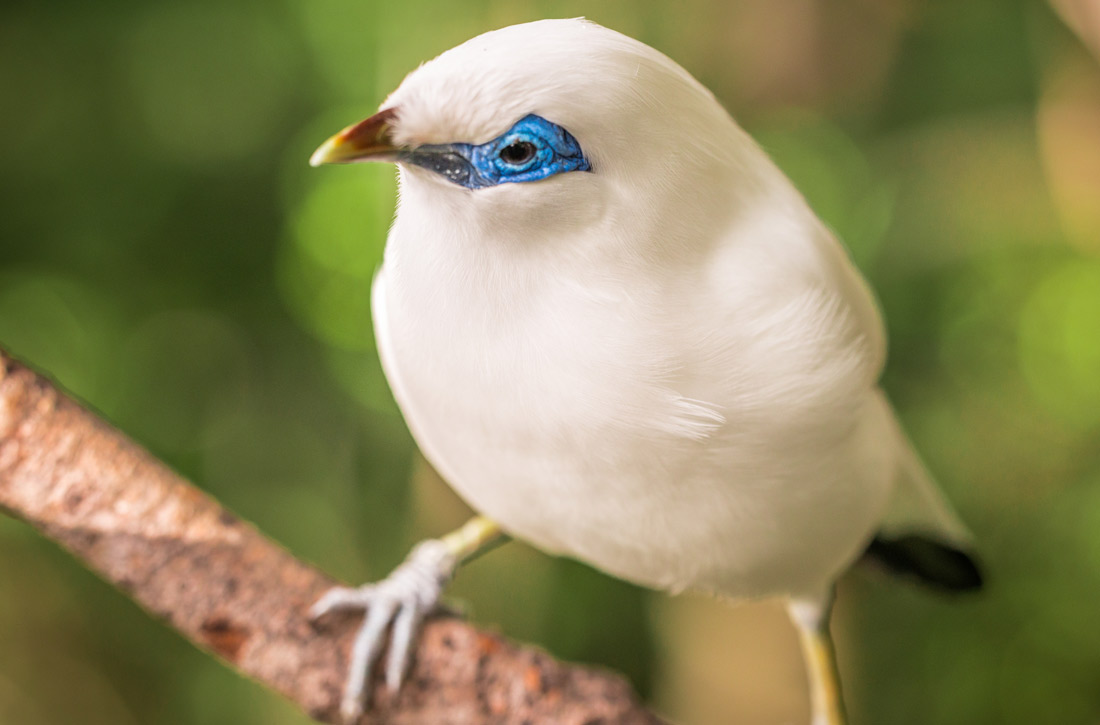
Leider kann man den Bali Myna oder auch Balistar genannt, nur noch sehr selten in freier Wildbahn bewundern. Wie sollte es auch anders sein, ist er von aussterben bedroht. Der Holzabbau engt seinen schon sehr kleinen Lebensraum immer mehr ein.Bali Myna Leucopsar rothschildi Balistar So hab ich ihn auch nur in einem Zoo fotografieren können. Wobei ich bis jetzt auch noch keine Reisepläne für Bali gehabt habe. So oder so wäre es also unwahrscheinlich gewesen, den Bali Myna (Leucopsar rothschildi) mal außerhalb eines Zoos zu fotografieren. Für einen Vogel der in einer begehbaren Freiflugvoliere lebt fand ich ihn sehr scheu. Er war eigentlich immer dort, wo man selber gerade nicht war. Und er auch scheint eher eine Vorliebe für schattige oder dunkle Stellen, am besten hinter Ästen zu haben. Aber dafür ist es ja auch sein zu Hause und er kann selber bestimmen wo er hin fliegt, und nicht der Fotograf 🙂
As you could suppose, the bali myna or Rothschild’s mynah is a high in danger bird from Bali. He is part of the starling family and lives normaly iin a small coast region of Bali. All pictures here are taken at a zoo. 

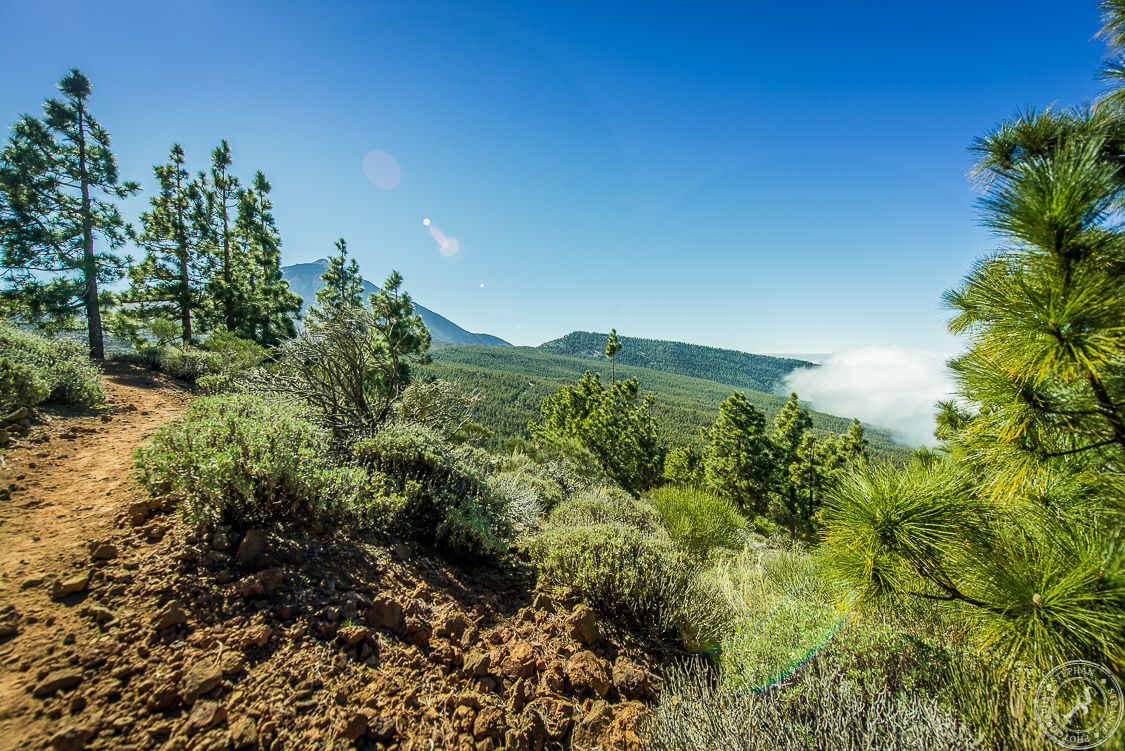
Wandern im La Orotava Tal // Hiking at the Orotava Vally

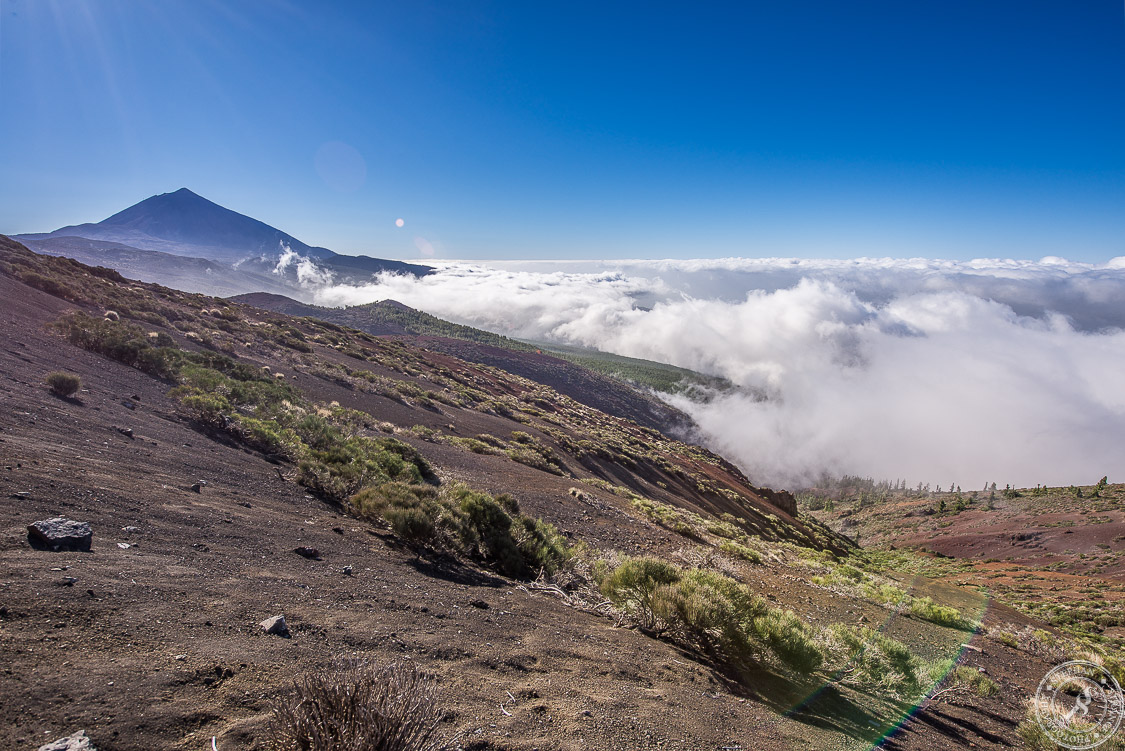
Die Landschaft zwischen Pico de Teide und dem Orotava Tal

Entlang eines kleinen Wanderweges zwischen dem Orotava Tal und der Caldera Las Canadas. Gleich am Anfang der TF-24 Richtung Santa Cruz gibt es auf der linken Seite einen kleinen Parkplatz. Wanderweg La Orotava Tal // Hikingtrail Orotava ValleyDort beginnt der Wanderweg um einen Hügel vulkanischen Ursprungs. Er dürfte so ca 3-4km lang sein. Das ist gut in einer Stunde zu schaffen. Man ist kurz oberhalb der Baumgrenze, hat also einen freien blick auf den Pico de Teide. Außerdem sieht man die Natur in dem davor liegenden Orotava Tal sehr schön. Mit etwas Glück kann man sogar die Wolken beobachten. Wie sie vom Meer aus über Puerto de la Cruz kommend, hoch in die Caldera ziehen. Es handelt sich hierbei übrigens um einen Rundweg, man kommt also am Ende wieder auf dem Parkplatz raus. Dort gibt es auch ein paar Bänke für eine Essenspause 🙂

Den Namen des Parkplatzes, oder eine Bezeichnung für den Wanderweg konnte ich leider nicht mehr raus finden. Aber der Parkplatz gehört zu einer Sehenswürdigkeit. Dort hat man ein paar Überreste oder eine Kultstätte der Guanchen ausgegraben. Auf google maps sieht man das recht gut.

Small hiking trail with a nice Orotava Valley view

Starting at a parking place on the TF-24, only a kilometer after the El Portillio service area. The place is marked an old Guanche monoment. Hikingtrail la Orotava // Orotava Tal WanderwegBut its also the start for a short hikingtail arount a local hill. The trail is only about 3-4 kilometers long. But you have a realy nice view over the whole area there. Also a nice view for the Pico del Teide with the pineforrest in the foreground. And with a little luck there are also some moving clouds, comming from Puerto de la Cruz. I enjojed this trial very much. Because it gives me the possibility to take several pictures around the vally and the caldera.

Ein Segelfalter // A scarce swallowtail

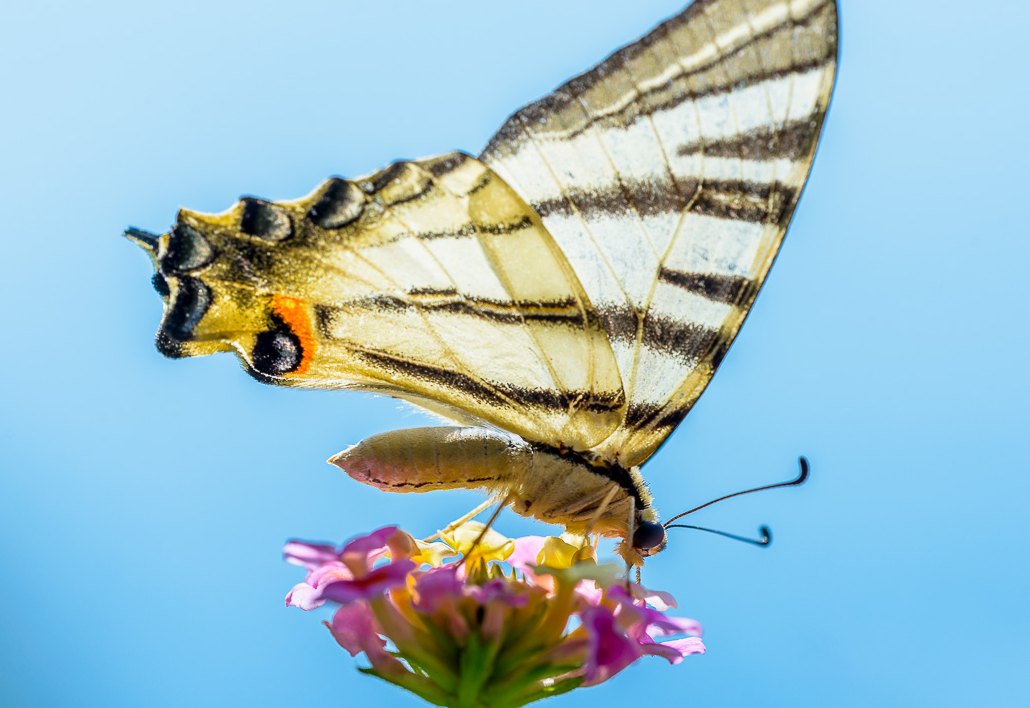
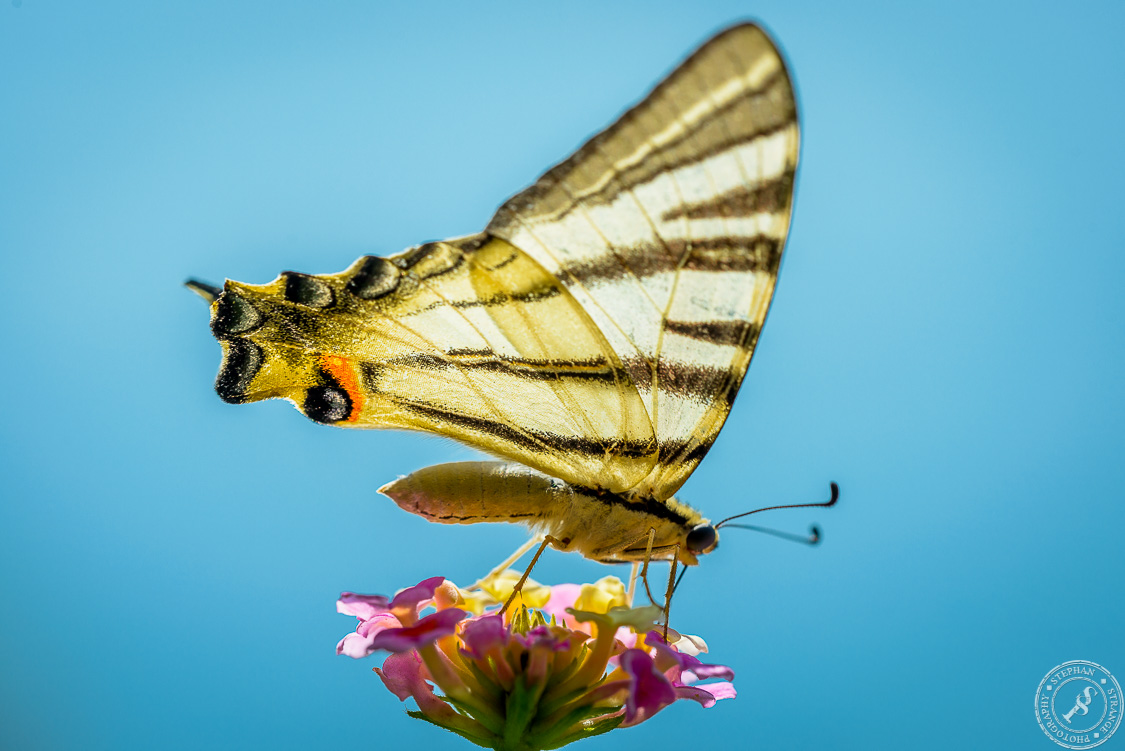
Ein Segelfalter

Dies ist also ein Segelfalter, wie mir google gerade verraten hat. Im lateinischen wohl Iphiclides podalirius genannt. Nicht das ich wirklich Ahnung von Schmetterlingen oder Latein hätte. Aber ich kann durchaus die google Bildersuche benutzen. Segelfalter Iphiclides podaliriusUnd zu meinem erstaunen hat sie wirklich funktioniert. Zu vor hatte ich es nur mit Vogelarten versucht, und eher mäßige Erfolge erzielt. Die Trefferquote lag bei ca 25-30%. Und google hat mir dann ganz stolz berichtet das auf meinem Bild ein Vogel zu sehen ist. Auch was 🙂 Aber bei dem Schmetterling hier hat es sofort funktioniert. Bild rein und ganz viele verweise zu Segelfalter (Iphiclides podalirius) bekommen. Genau so hatte ich mir das auch vor gestellt mit dem ähnliche Bilder finden. Nun ja. Vielleicht sind meine Erwartungen an google auch etwas zu hoch. Aber wenn Sie schon wissen was ich zum frühstück esse, oder welche Comics ich lese, sollten Sie sich auch mit Schmetterlingen aus kennen.

Interesting. So this is a scarce swallowtail or named Iphiclides podalirius in latin. I had to admid I am not realy an expert with butterflies or know latin. Segelfalter SchmetterlingI just know the butterflies name because google has found it for me. This time, the find similar pictures or seach pictures function has worked great for me. I have tried this only with bird pictures before und receaved mostly bad results. Google just told me there is a bird on my bird picture. Oh, nice to know, its a bird on the bird picture. But this time, the seach for the butterflies name has worked great. Google told me it is a scarce swallowtail, and I am fine with that.


Big Birds Portrait

Big Birds Portrait

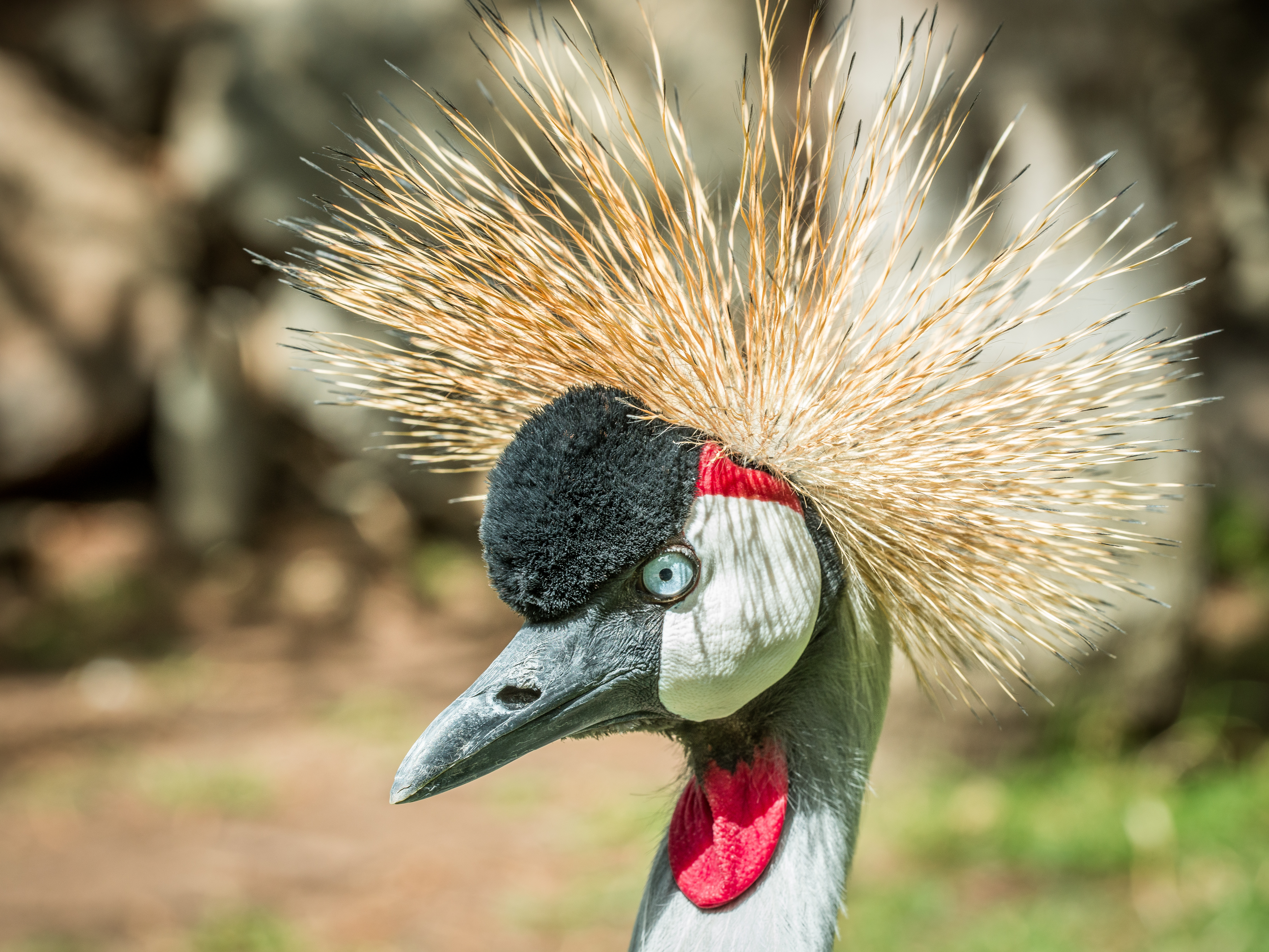
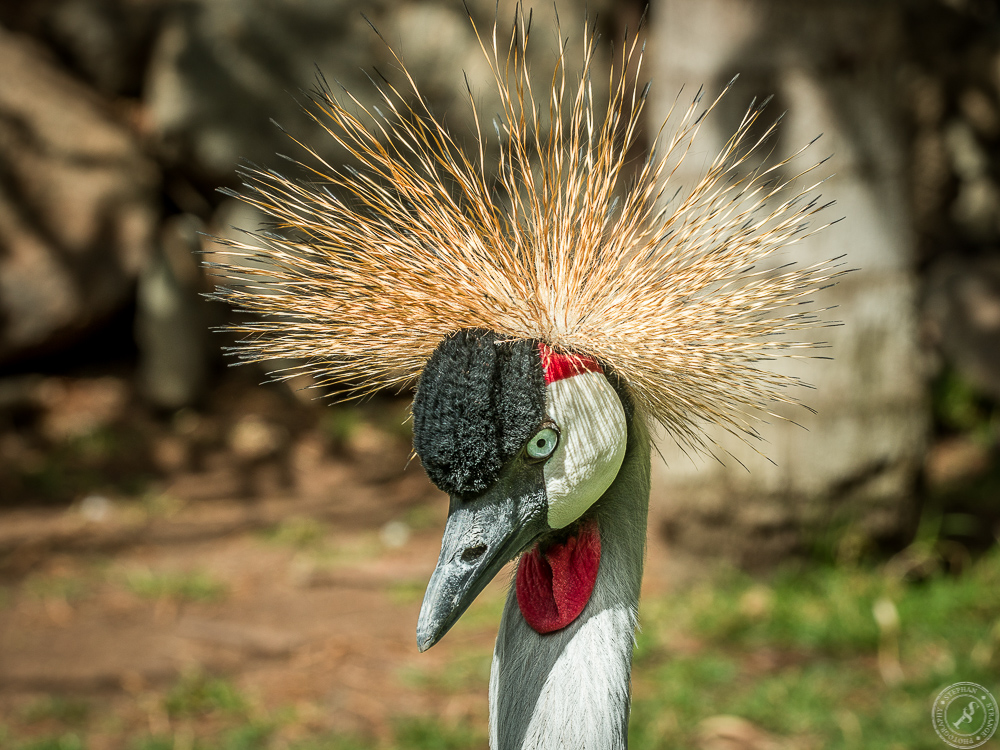
Big Birds Portraits. Some shots of big birds taken at zoos. I dont realy like the zoo ambience or the zoo mood. I allways try to put it out of the picture or to blur it out. If this is not possible, I don t take the picture. Thats why you mostly see the heads of biger animals on my page. You don t have the problem when you do macro shots 🙂

La Gomera hiking imressions

La Gomera hiking impressions

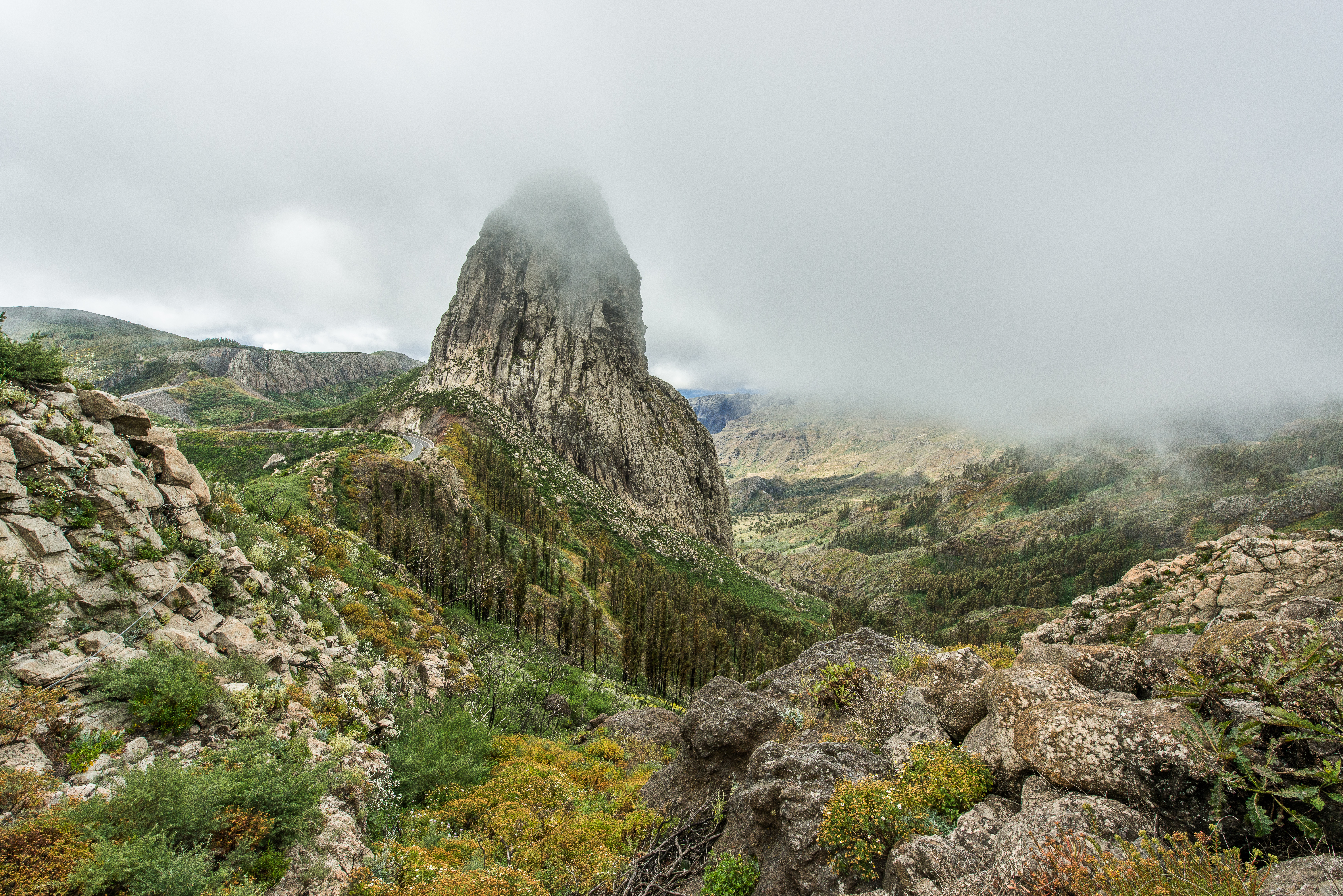
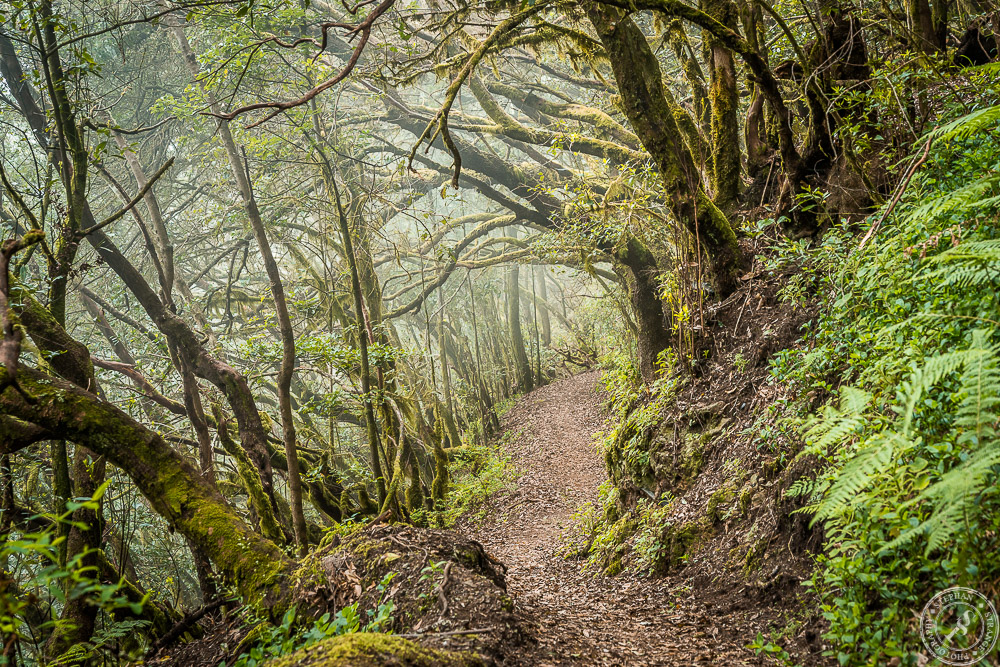
My La Gomera hiking impressions. Taken at a hiking trip to La Gomera last year. The clouds move throu the mountains. The trees are milking the water out of the clouds. That makes the wood very wet and foggy. Its a dark and silent mood out there. Like beeing in a fairytale. We did a hiking trip over the island. From the sunny coast deep into the mountains. We also met a lot of backpackers there. There are a few camping possibilities. But you can also do day trips there. With the ferry Tenerife or something like that.

Bald Eagle

A Bald Eagle in the Air

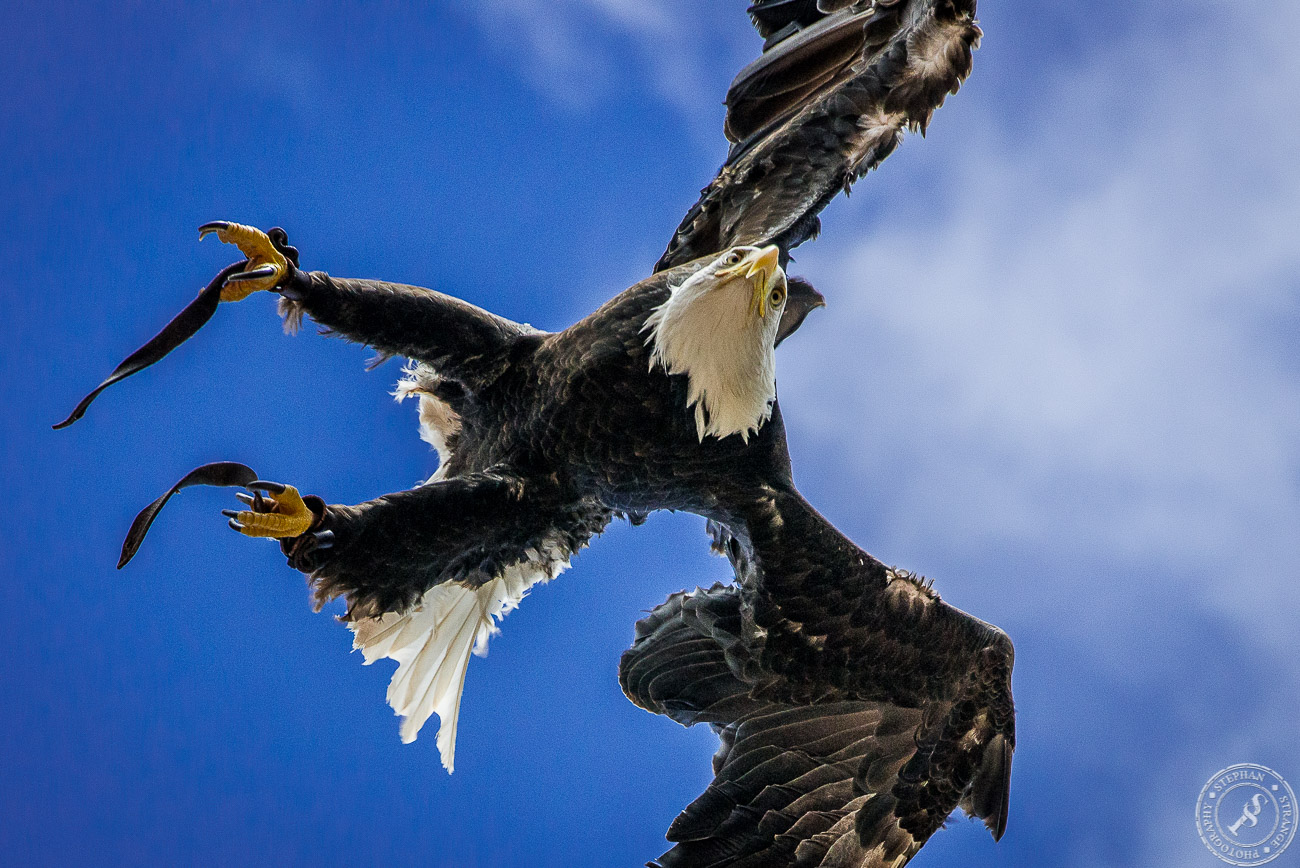
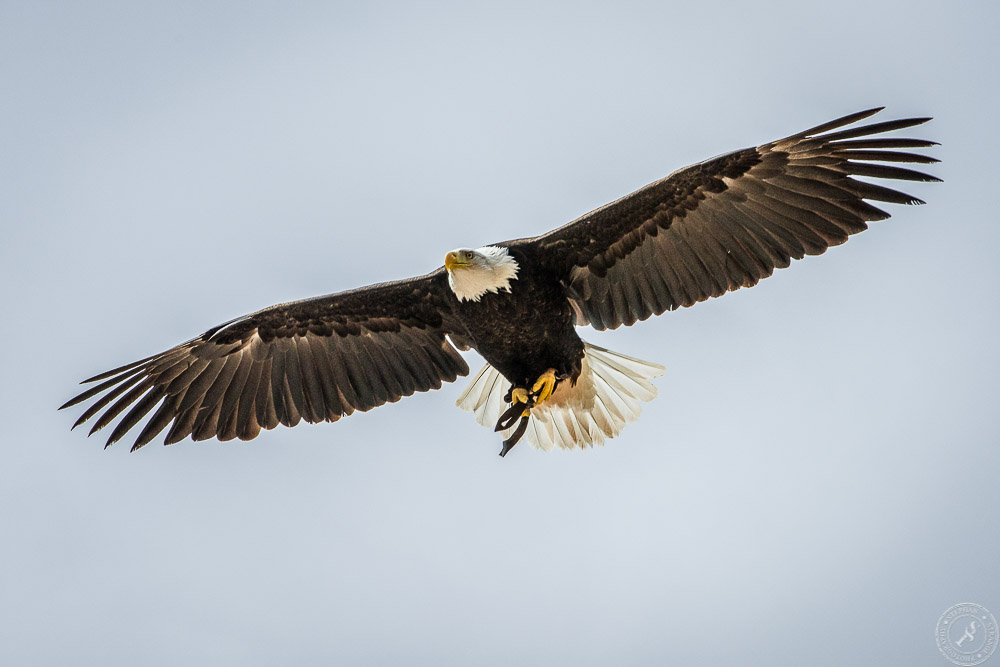
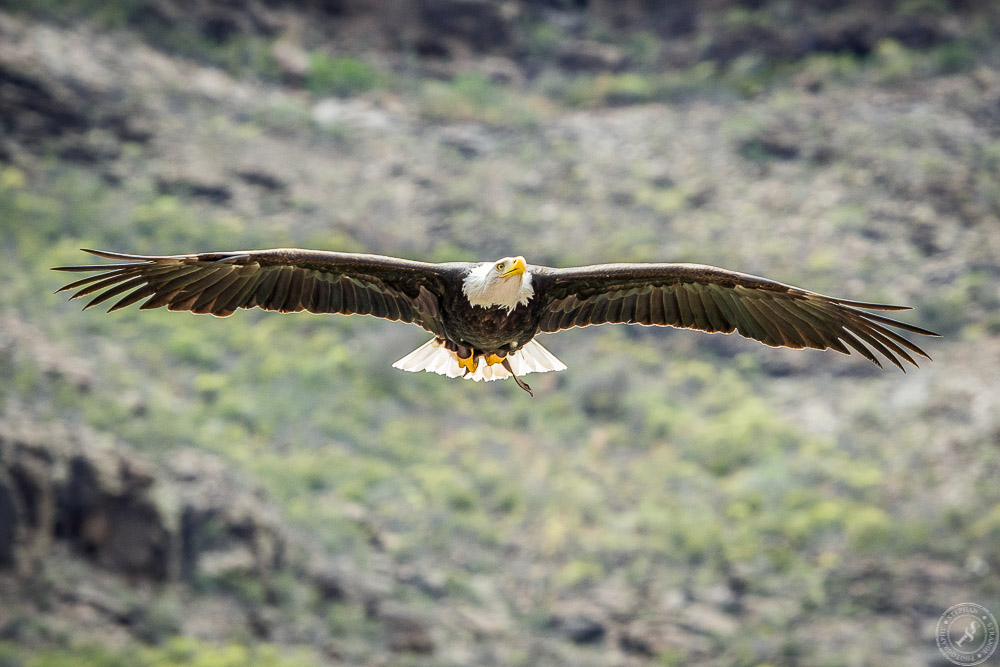
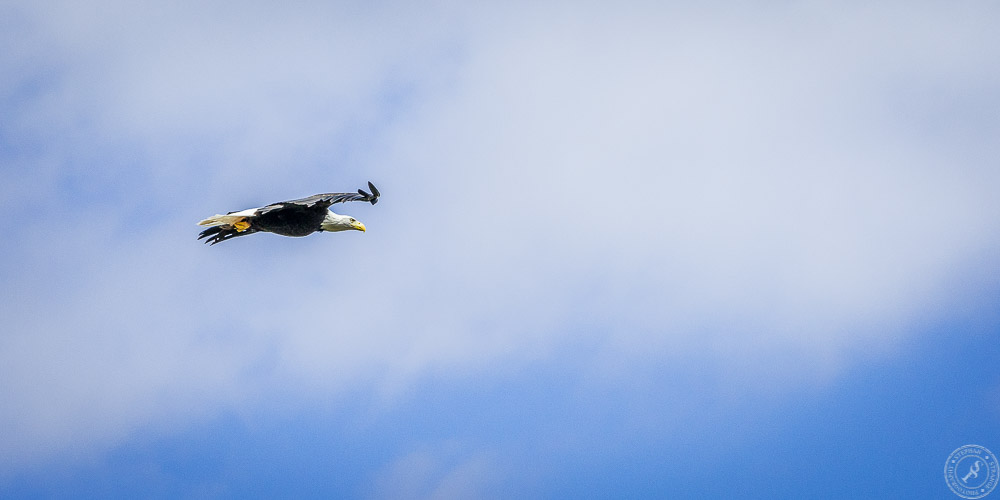
The Bald Eagle. Open winged. High in the air.  Showing us his beauty. The beauty of a real raptor. Sadly I have never seen one in wildlife. Just at bird shows. It`s not a european bird, and my area has no more eagles. Here are just airplanes in the air, and some hawks. So I have to go to bird shows. This Bald Eagle shots are taken on my last holiday at Gran Canaria. At the Palmitos Park exotic Birds free flight show. With my Nikon 70-200mm lens. No I spend money for a hew lens. I need something that goes till 500mm or more.

Squirrels and Ravens

Squirrels and Ravens

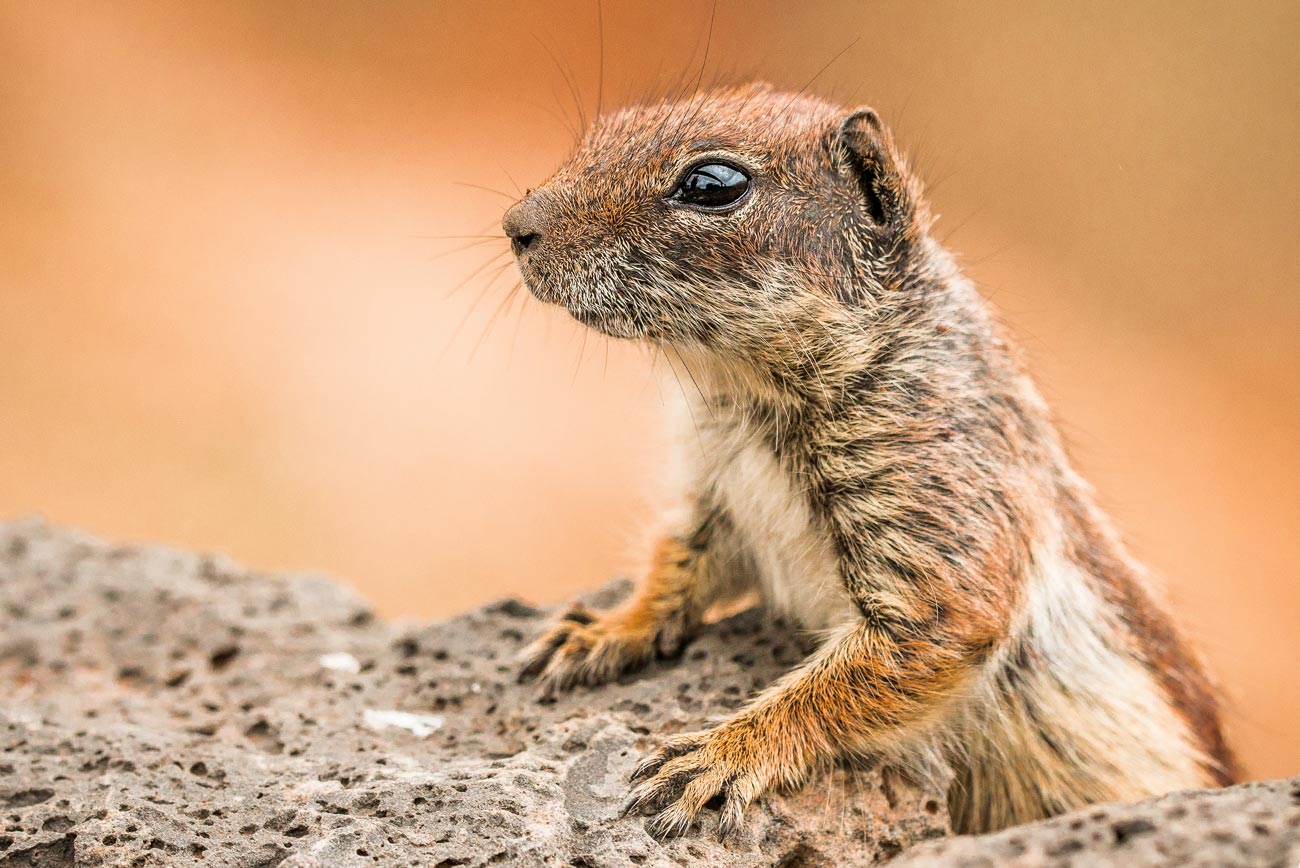
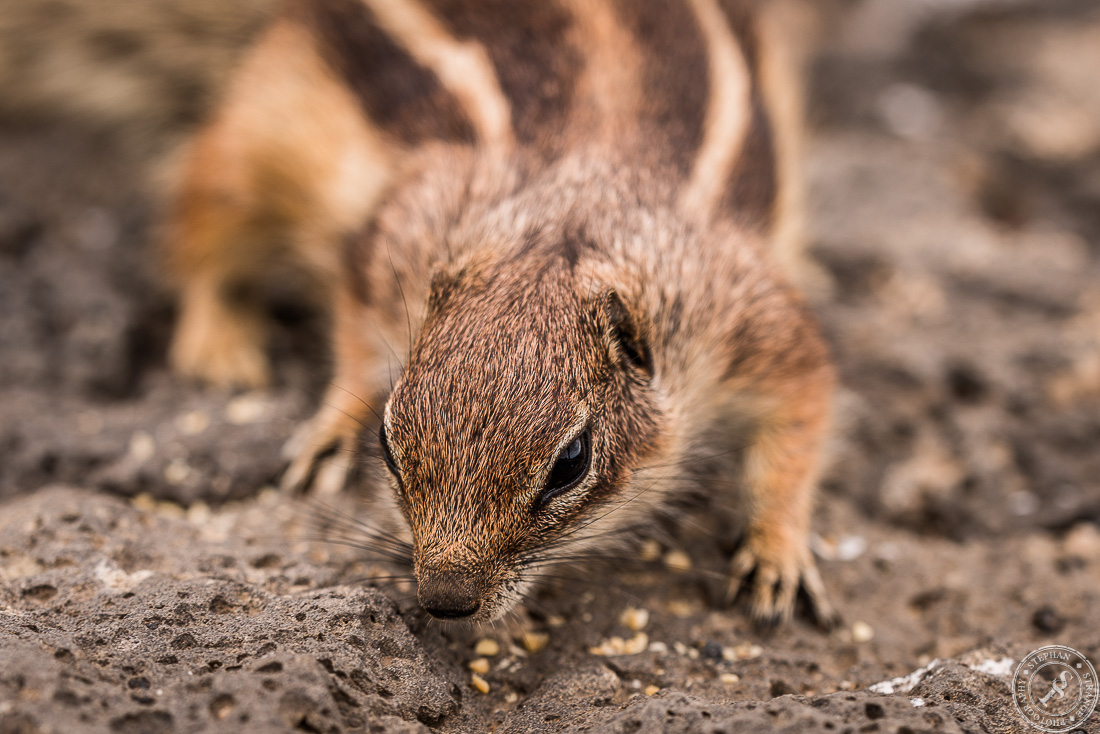
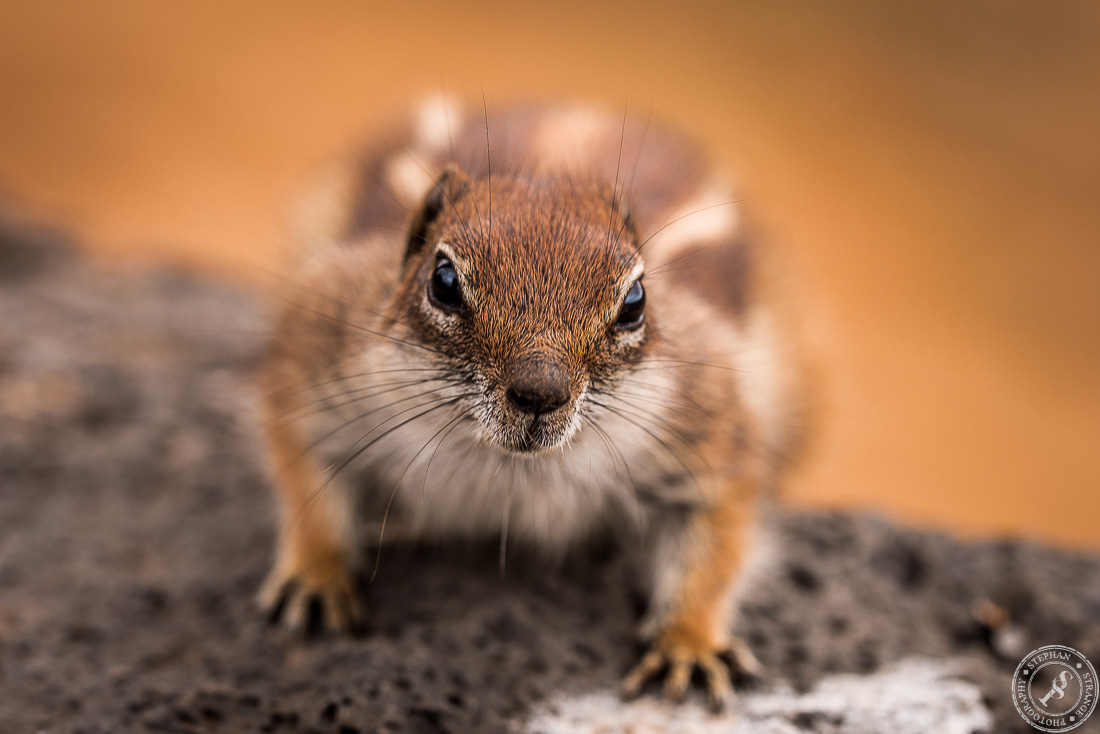
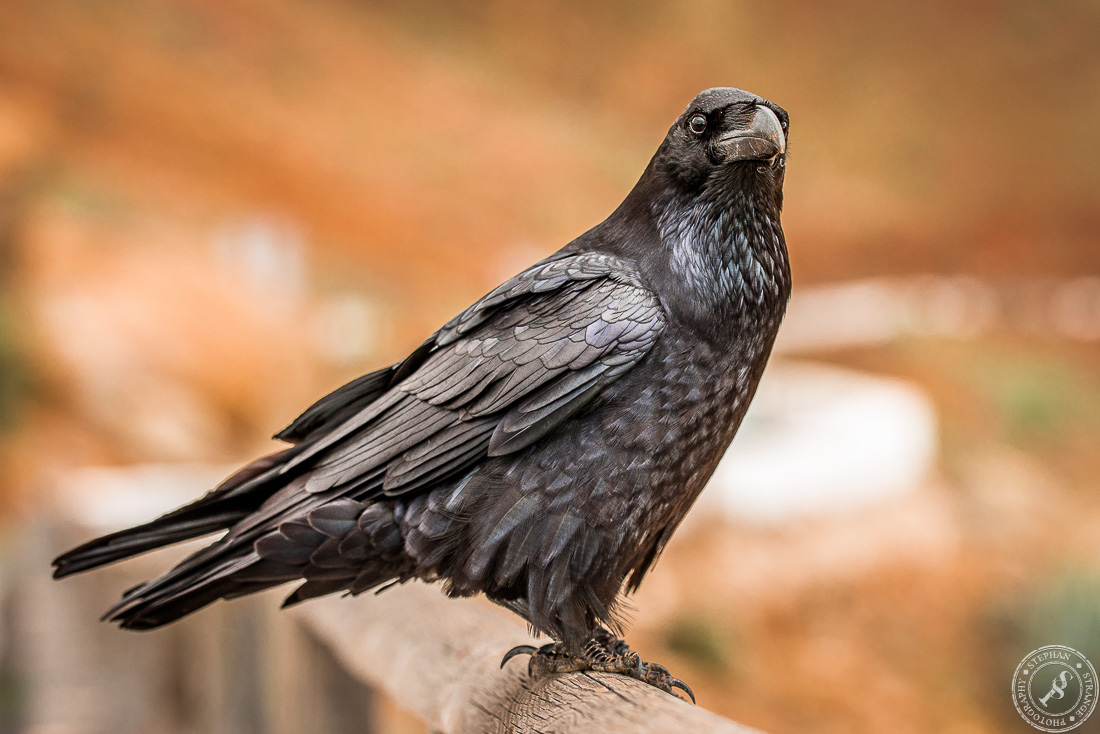
There are not much animals at Fuerteventura. Some Goats, Rabbits, Seagulls and a lot of Squirrels and Ravens. Mostly I  saw the Squirrels and Ravens on the same place. They seems to live in something like a symbiosis. They share the same food source. Tourists 🙂 who feed them. And thats a big problem there. The Squirrels, exactly Barbary Ground Squirrel (Atlantoxerus getulus) are like a plaque for the island. They where brought by humans th this island in the early 1965er because they are so sweet and friedly and now they are eating everything there. Thats a big problem for the barren nature there and for the ther animals.

I am not shure if the bird is a Raven or a Crow. I could read the differences at wikipedia, but its hard for me to use this knowlege in real life 🙂 So feel free to contact me what kind of Raven or Crow the black birds are.

Fuerteventura ist voll von Atlashörnschen und Raben. Sie scheinen in einer art Symbiose zu leben. Jedenfalls waren über all wo ich auf die Hörnchen getroffen bin auch die Raben nicht weit. oder sind es Krähen? ich kann die immer nur schwer auseinander halten. irgendwie ist für mich alles was schwarz und größer als eine Amsel ist ein Rabe. Die Atlashörnschen sind zwar sehr zutraulich und fressen sogar aus der Hand, aber für Fuerteventura sind sie eine große Plage. Irgendwann 1965 wurden sie aus Marokko eingeführt weil sie so süß und zutraulich sind. Aber inzwischen haben sie sich so sehr vermehrt das sie den wenigen einheimischen Tieren die Nahrung weg fressen. Und allgemein die Pflanzenwelt dezimieren. Auf der kargen Insel wächst ja nicht wirklich viel. So ist das ja irgendwie immer wenn der Mensch in die Natur ein greift. Es kann nur schief gehen.


Pájara

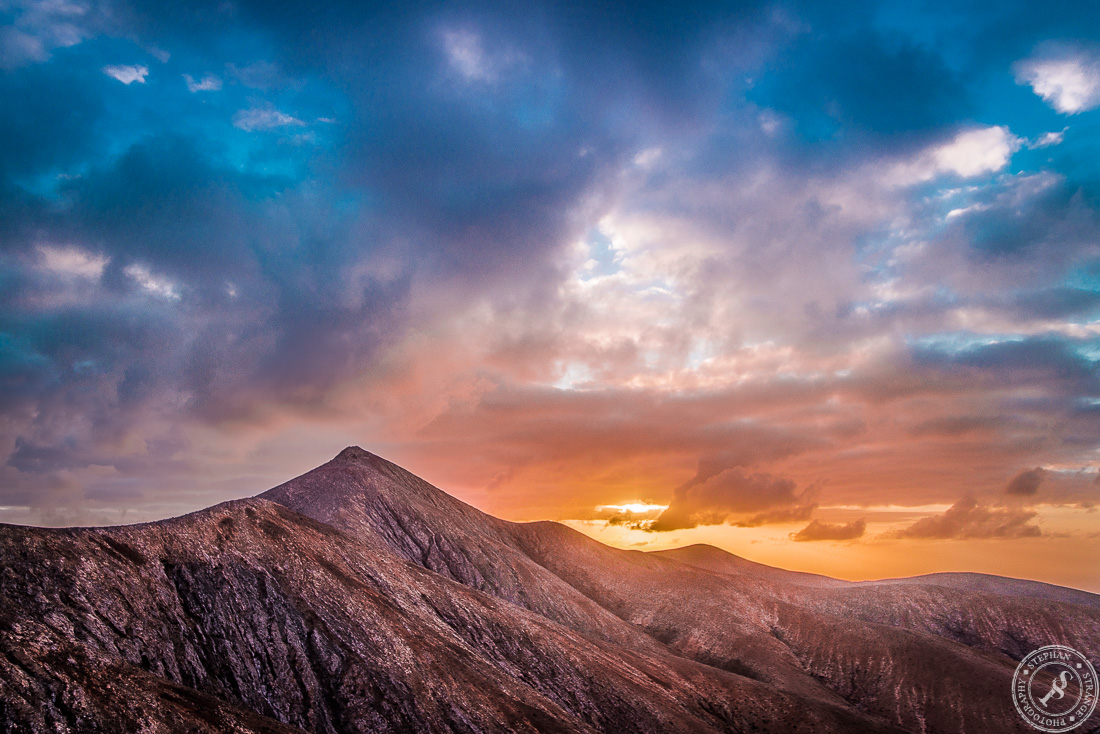
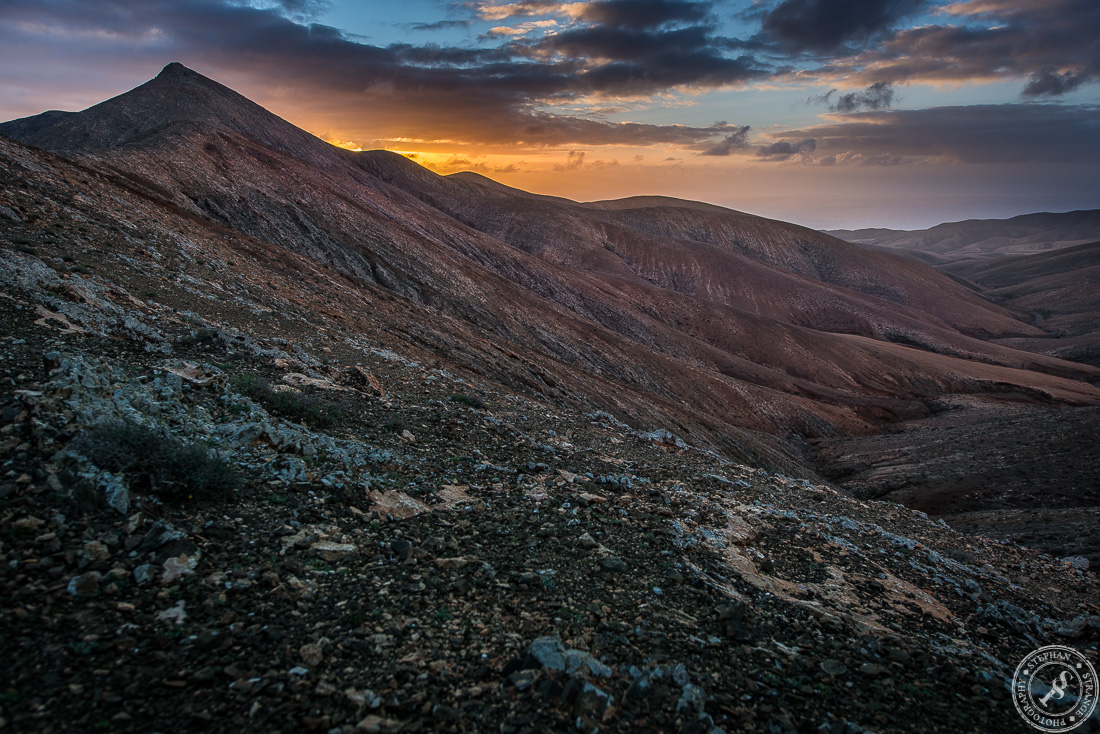
Pájara Mountain Sundowns

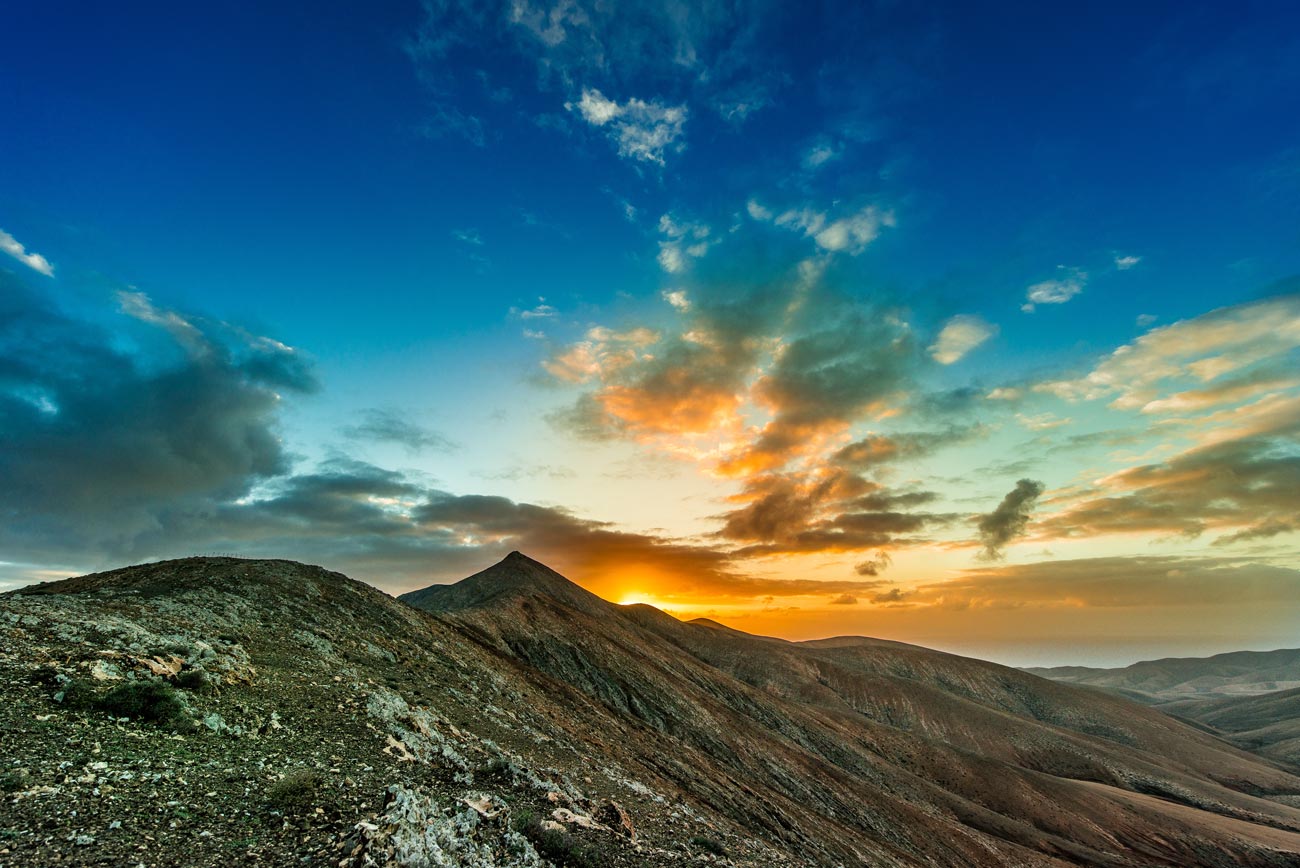
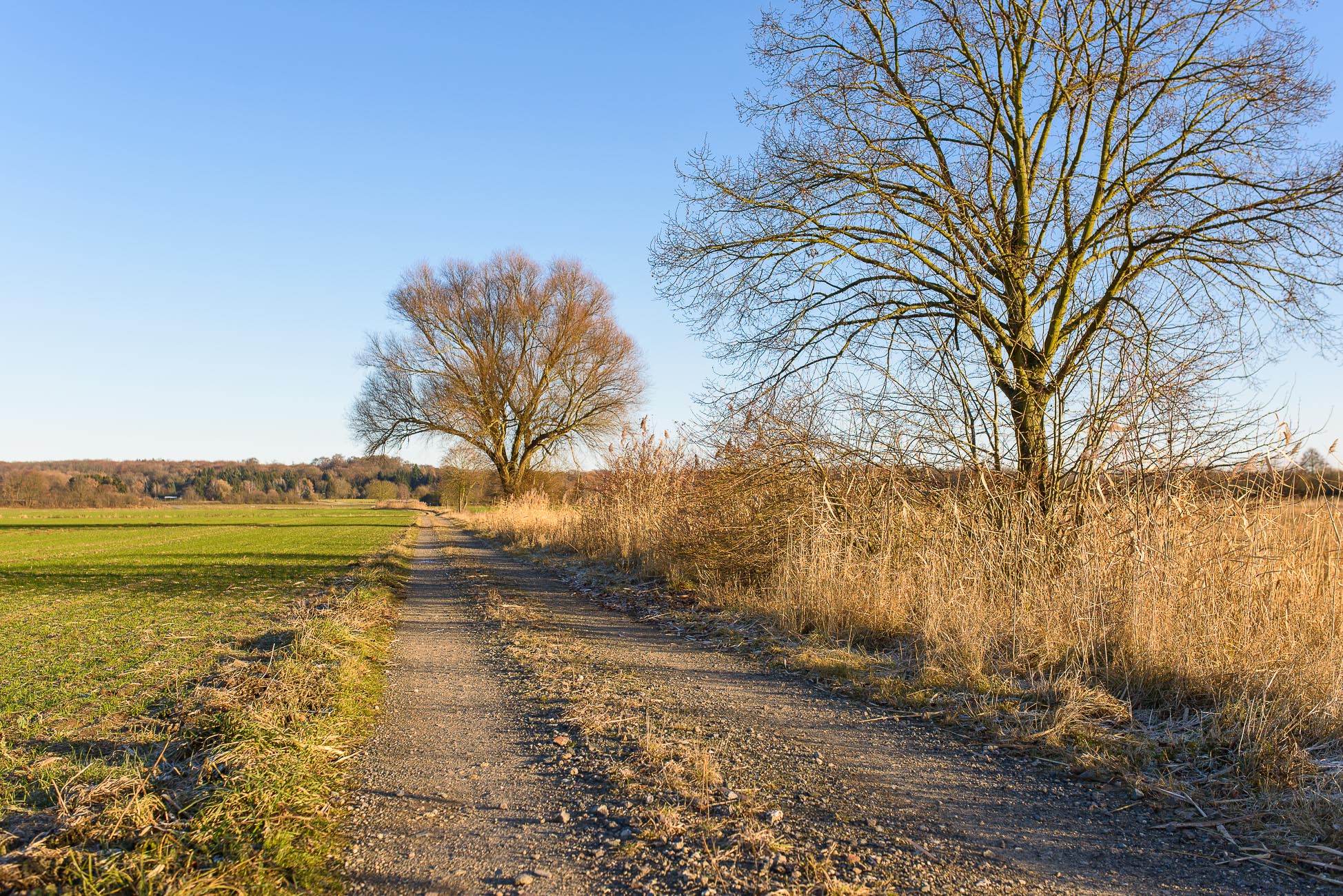
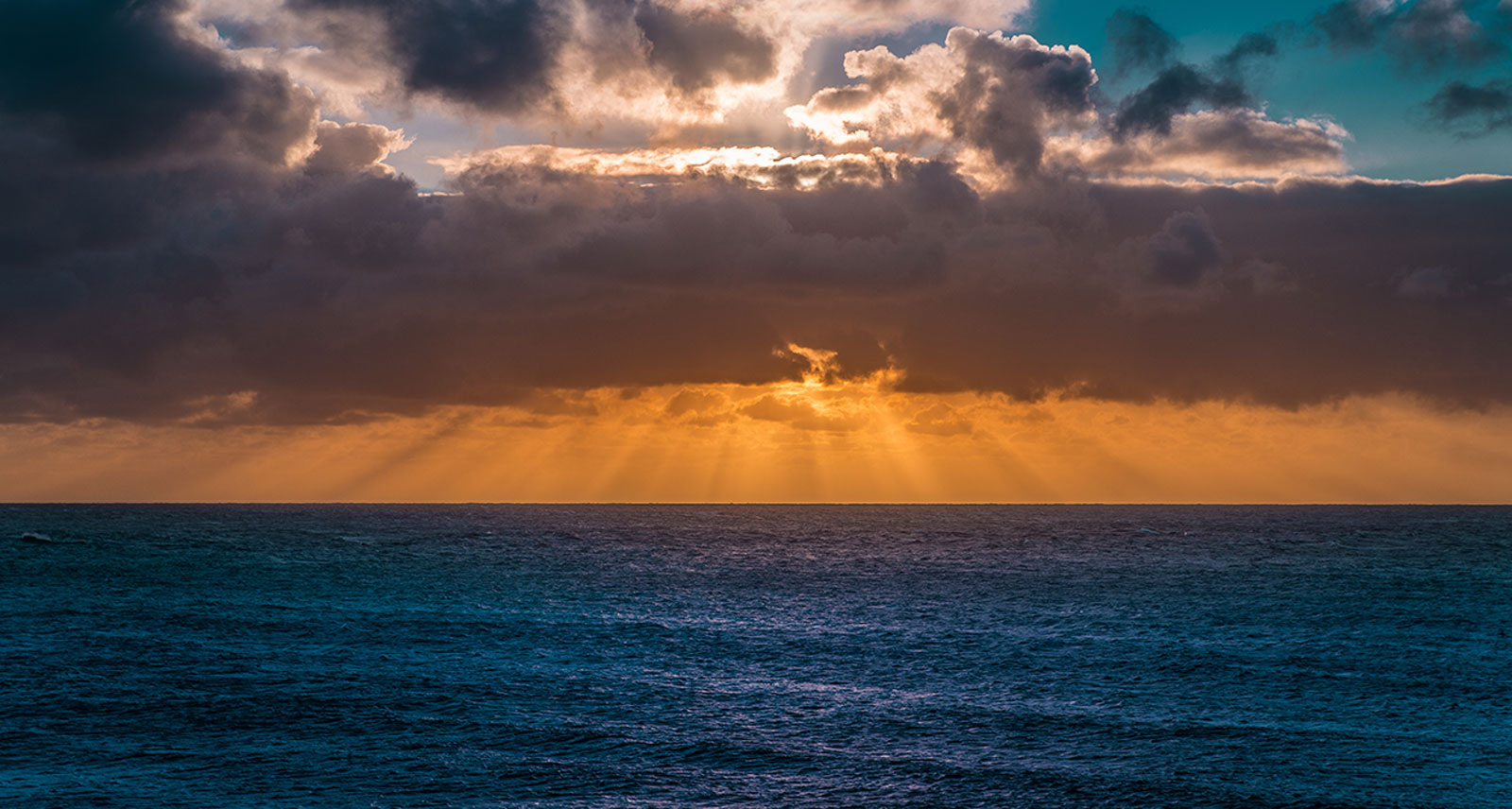
Traveling the FV-605 road from La Pared to Pájara. On the half way, a view kilometers after crossing the FV-618 to Cardón you will get higher into  the mountains. After a view minutes you are at a high level of about 500 meters. And there is a bouth sides parking place with a footway up to the top. The Point is called Sicasumbre viewing point. You have a great view to both sides of the mountain there, and into a yellow red shining valley till Pájara. No plants or trees in your way. Fast moving clouds in the sky. So thats the place where I did my sundown pictures. But beware, its an very high wind blasting area. And with that wind it could be 10 to 15 degree colder.

Wenn man die FV-605 von La Pared kommend Richtung Pájara fährt, kommt man ein paar Kilometer nachdem sie die FV-618 Richtung Cardon gekreuzt hat zu einem Parkplatzt. Etwa auf 500 Meter Höhe. Dort gibt es einen Fußweg hoch auf die Bergspitze. Ausgeschildert sind Aussichtspunkte in Spanien immer als Mirador. Sehr wichtig, da es in den Bergen von Fuerteventura kaum Möglichkeiten gibt neben der Straße zu halten. Von dort hat man eine super Aussicht zu alles Seiten. Über das Tal das Richtung Norden nach Pájara führt. Oder Richtung Südspitze der Insel wo die Sonne unter geht. Das ist die Stelle von der aus ich diese Sonnenuntergansbilder gemacht habe.

The masca trail, down to Los Gigantes

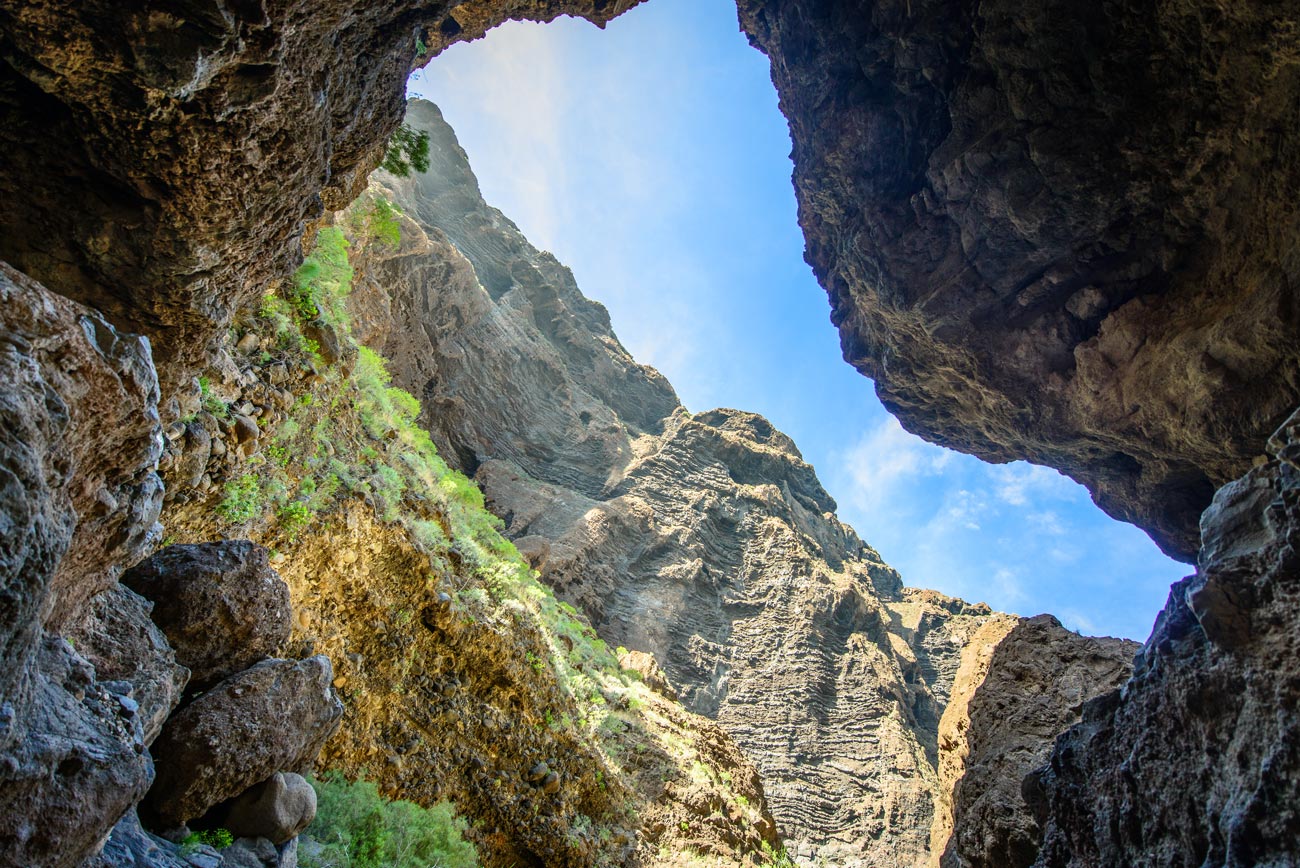
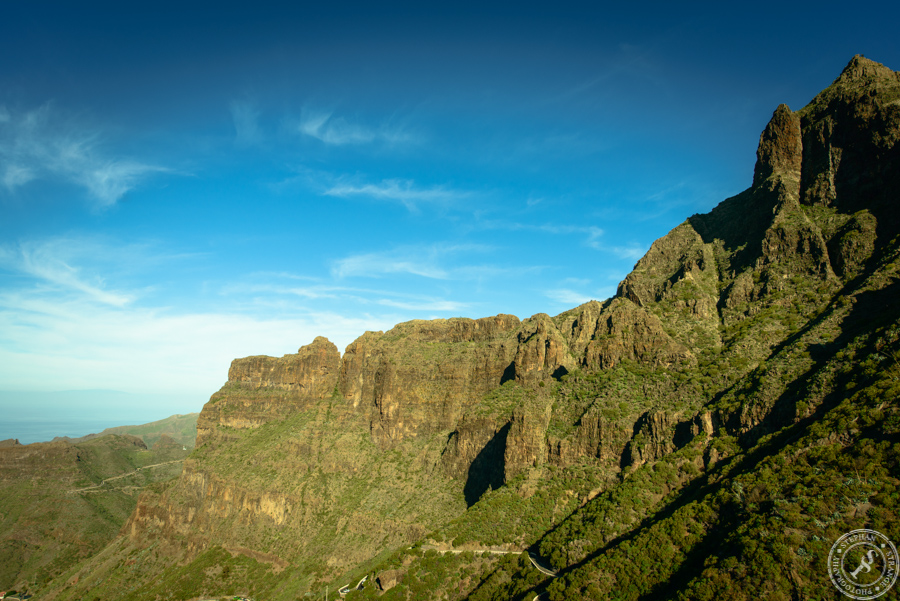
The Masca trail, down to Los Gigantes

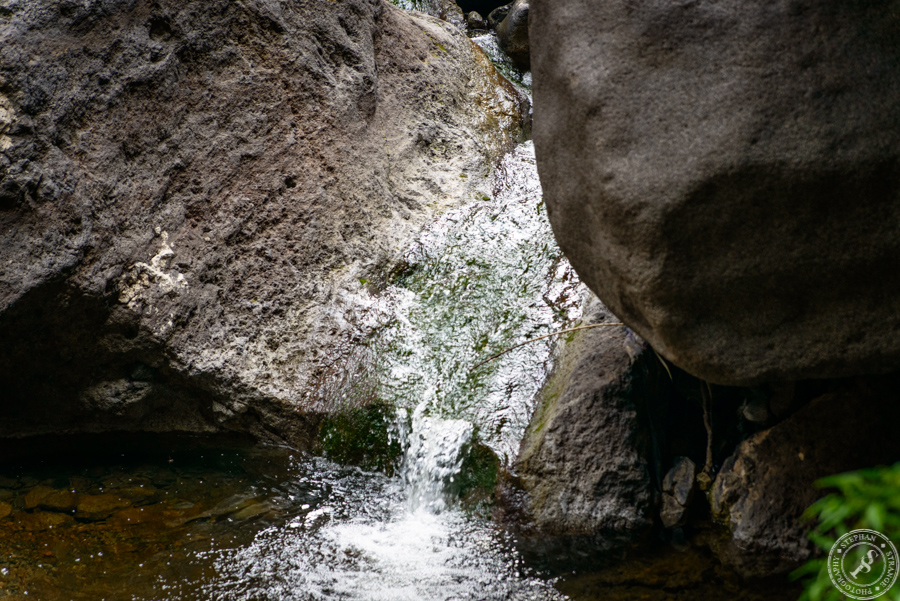
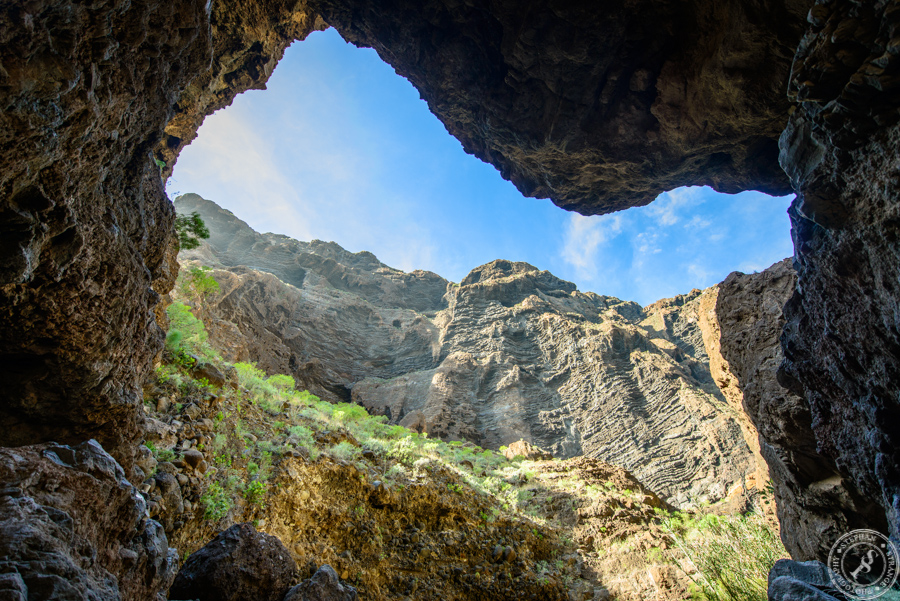
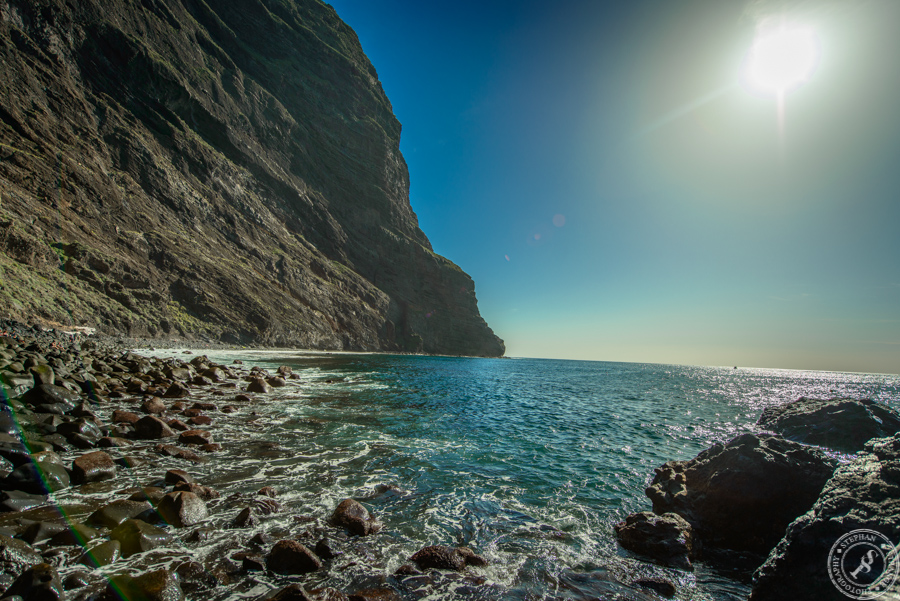
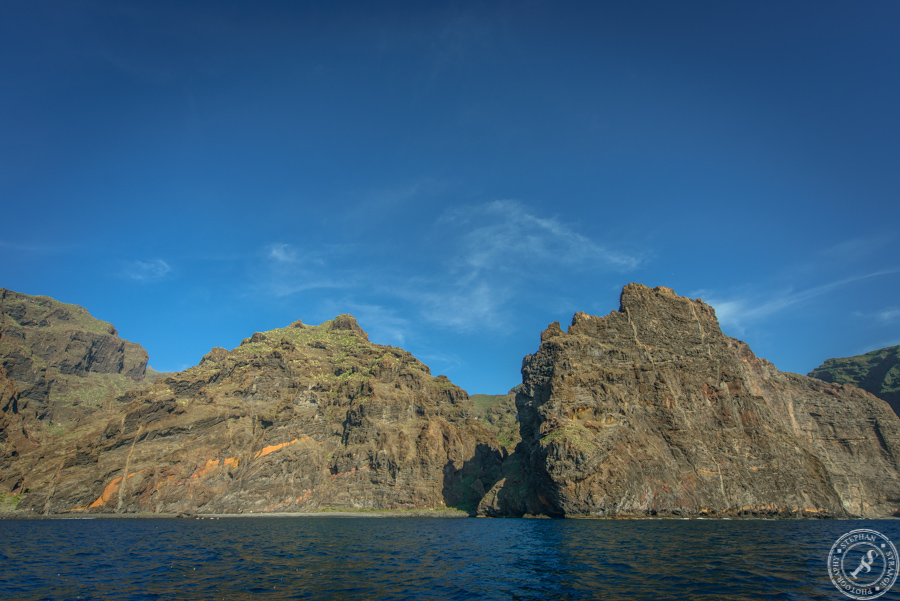
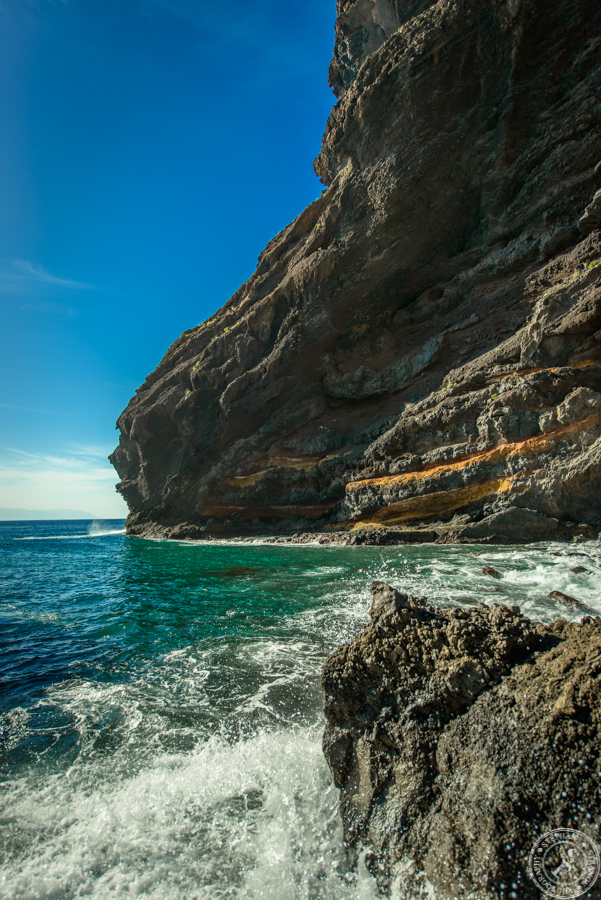
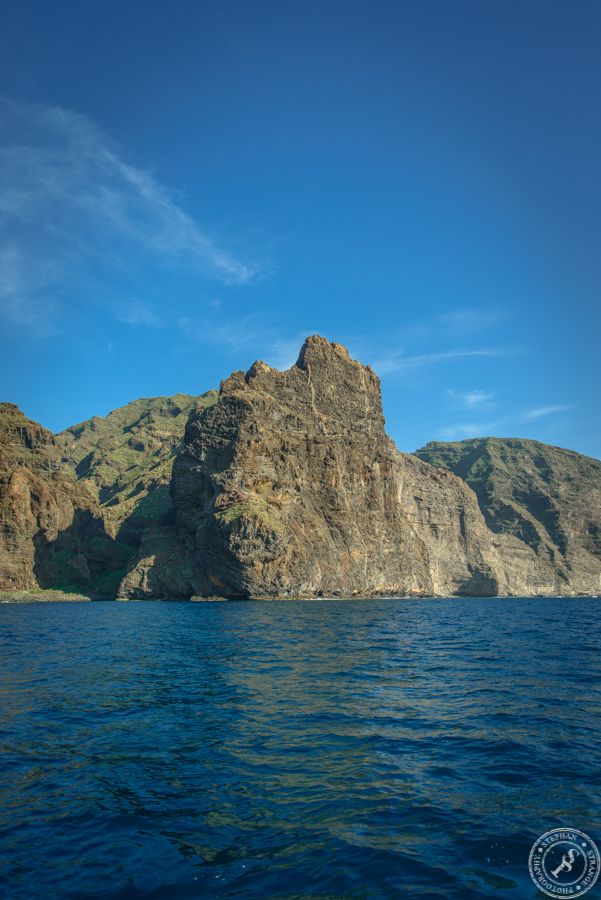
The Masca trail is one of the popular hiking trails on Tenerife. The trail starts in a small village called Masca  on top of the mountains, and goes straigt down to the sea. You follow a creek down to an old canyon straigt away to the coast. It depends on the season, the creek could be empty or full with water till your knees. The village is on a high level at about 800 meters and on the end of the trail you will see the cliffs of Los Gigantes. There you hafe the chouce to walk back to Masca or to take a water taxi to the Los Gigantes village. You need good hiking boots ant it will takes you about 3,5 hours. And becarefull, there are some bad accidents every year.

San Sebastian

San Sebastian de La Gomera

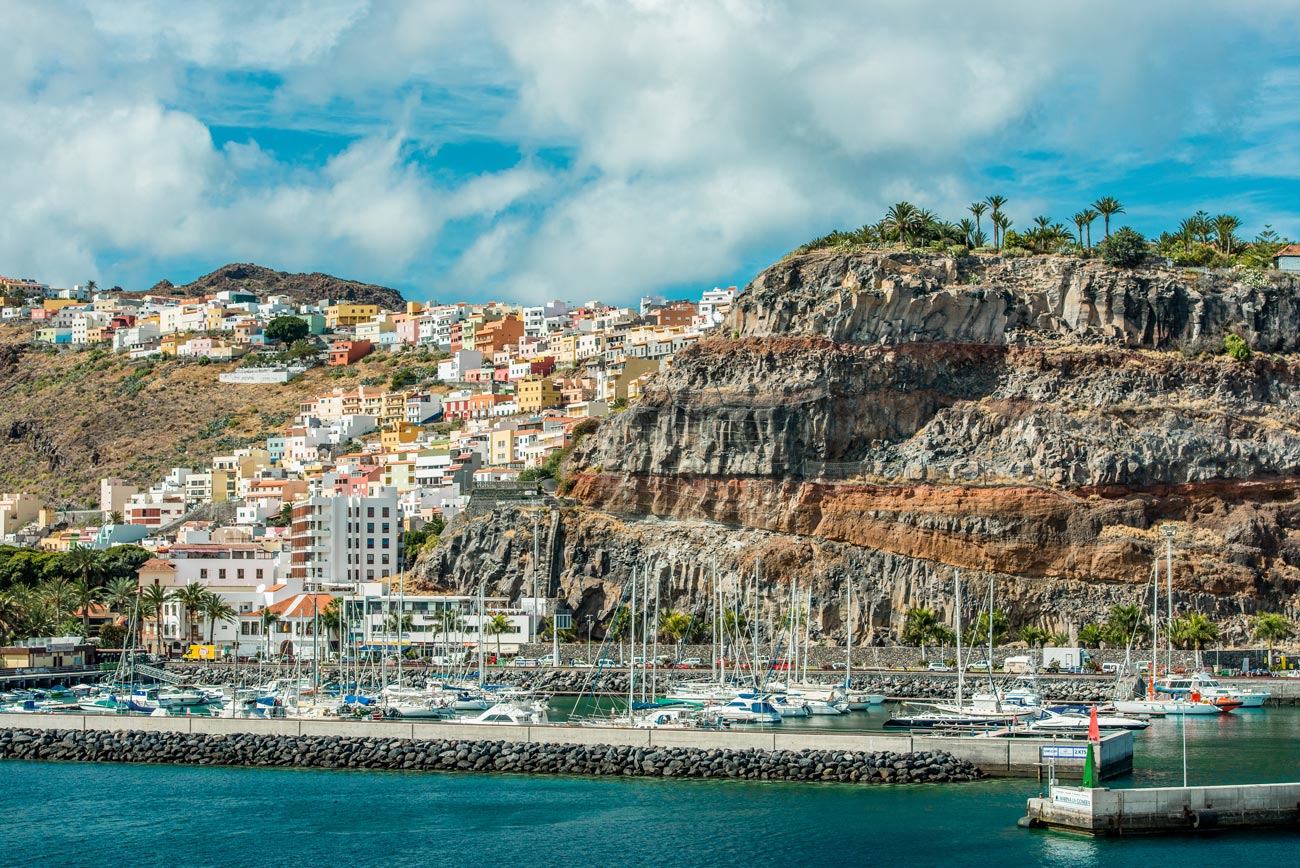
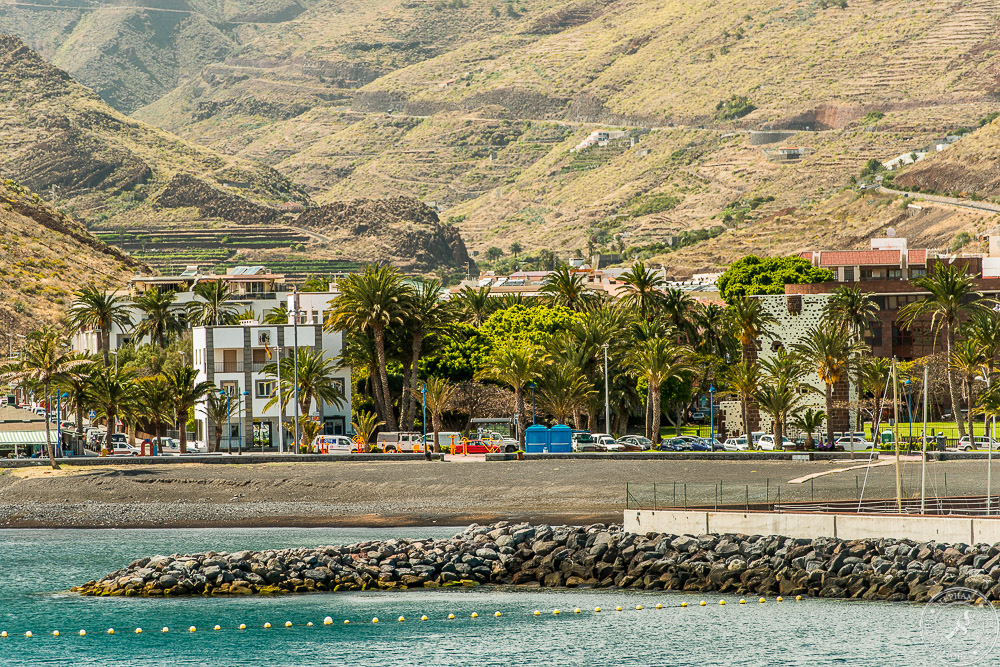
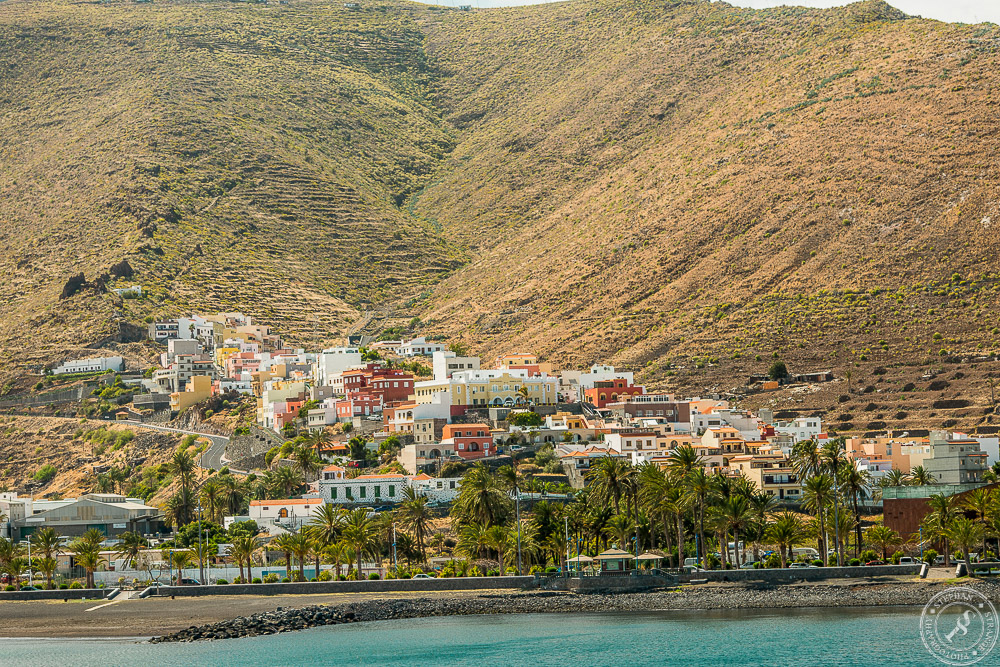
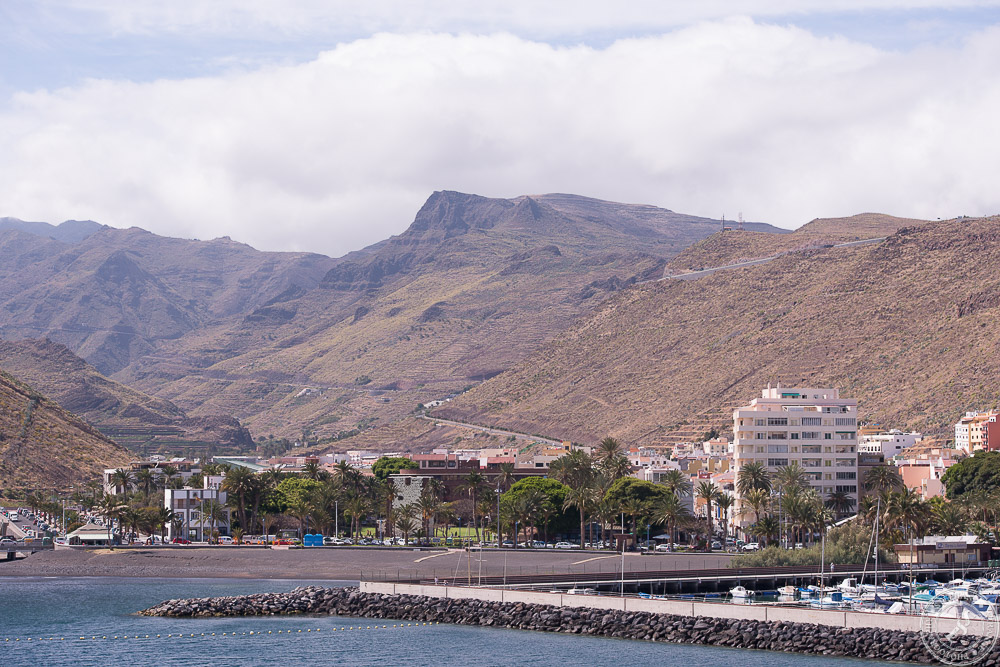
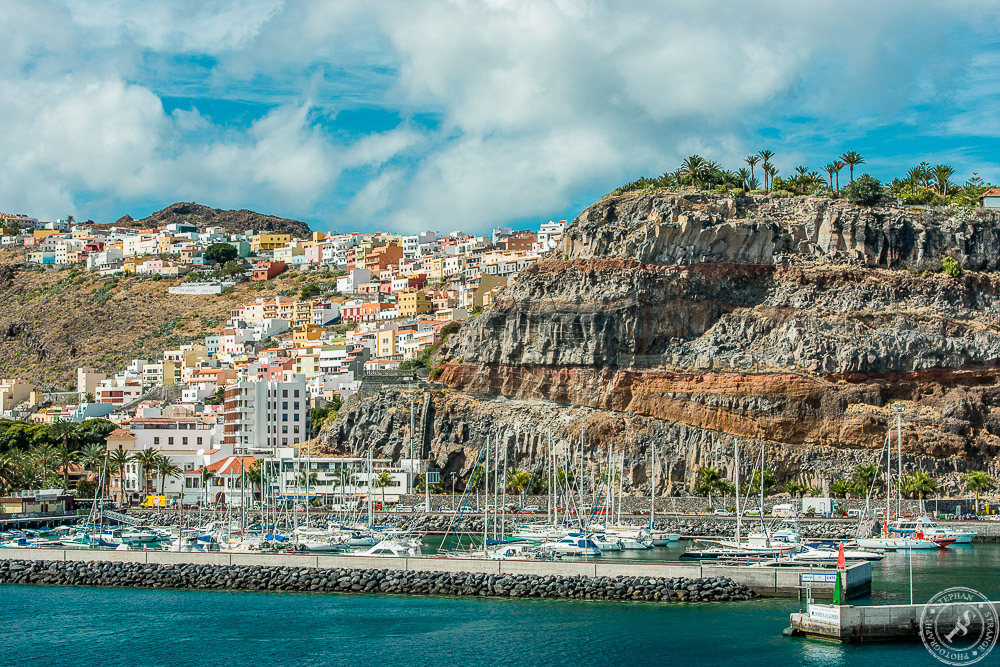
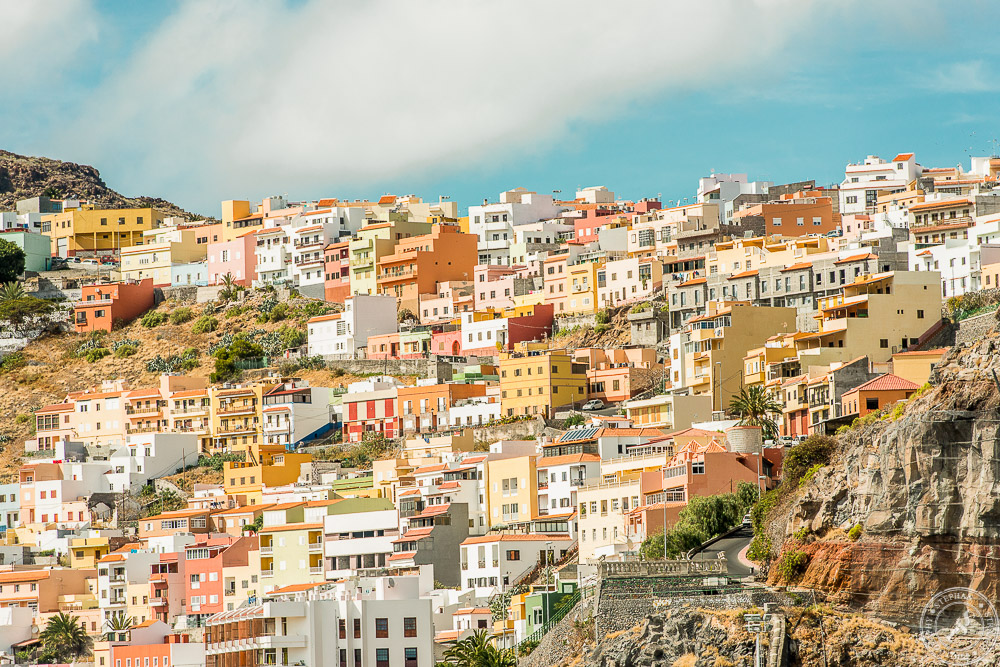
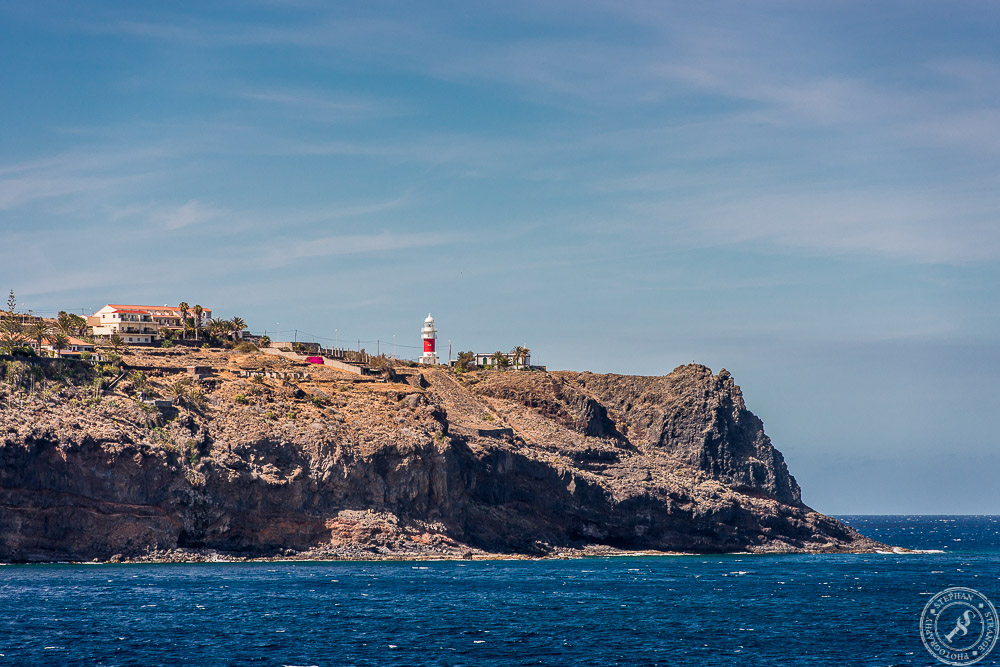
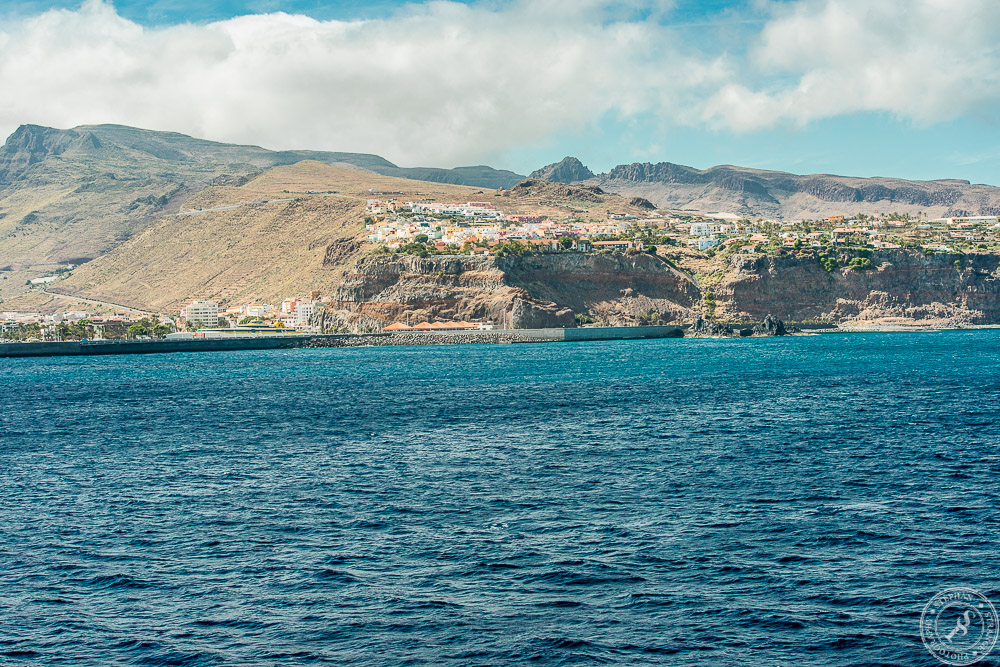
Some ferry impressions of San Sebastian de la Gomera. Thats what you see when you took the ferry from Tenerife to la Gomera. The harbour and the cityline of San Sebastian de la Gomera. The main village on la Gomera. Because La Gomera has no airport, you have to take the ferry or a boat to get there. And the island welcomes you with his nice little main village. It was out strartingpoint for a hikingtrip to La Gomeras well known rainforest out there in the hills. The so called fairytale forest. There are a lot of backpackers on La Gomera, its a great nature.

Tailed Jay

The Tailed Jay – Graphium Agamemnon

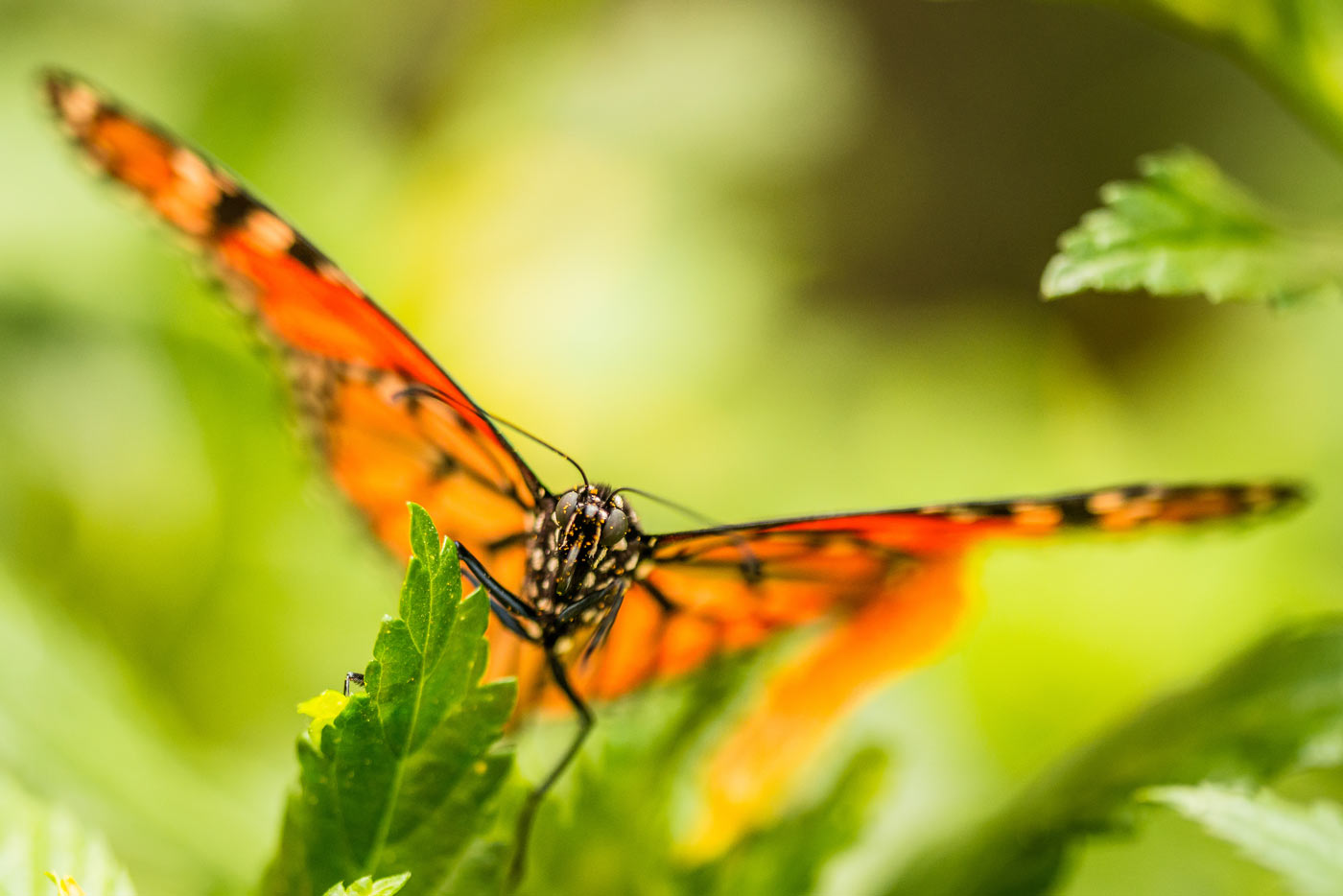
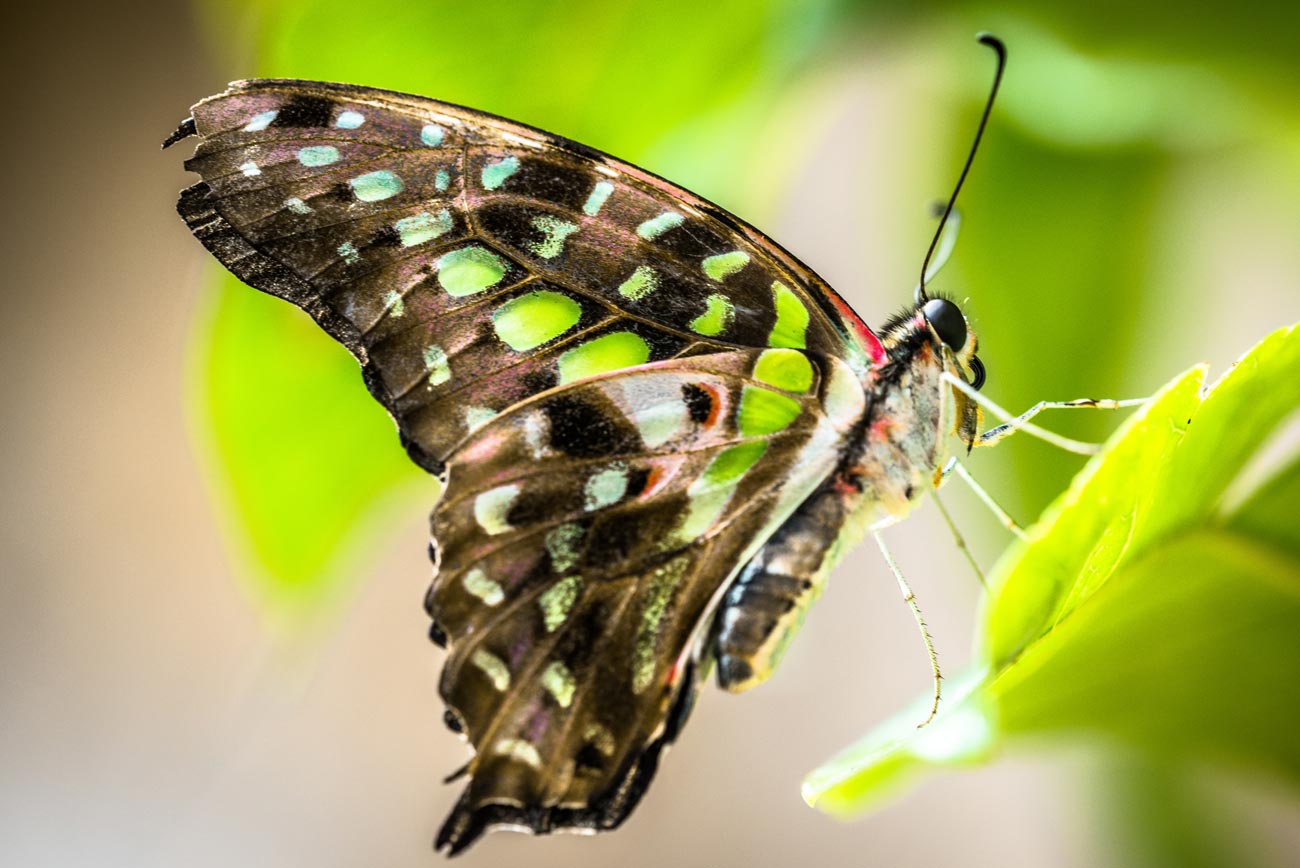
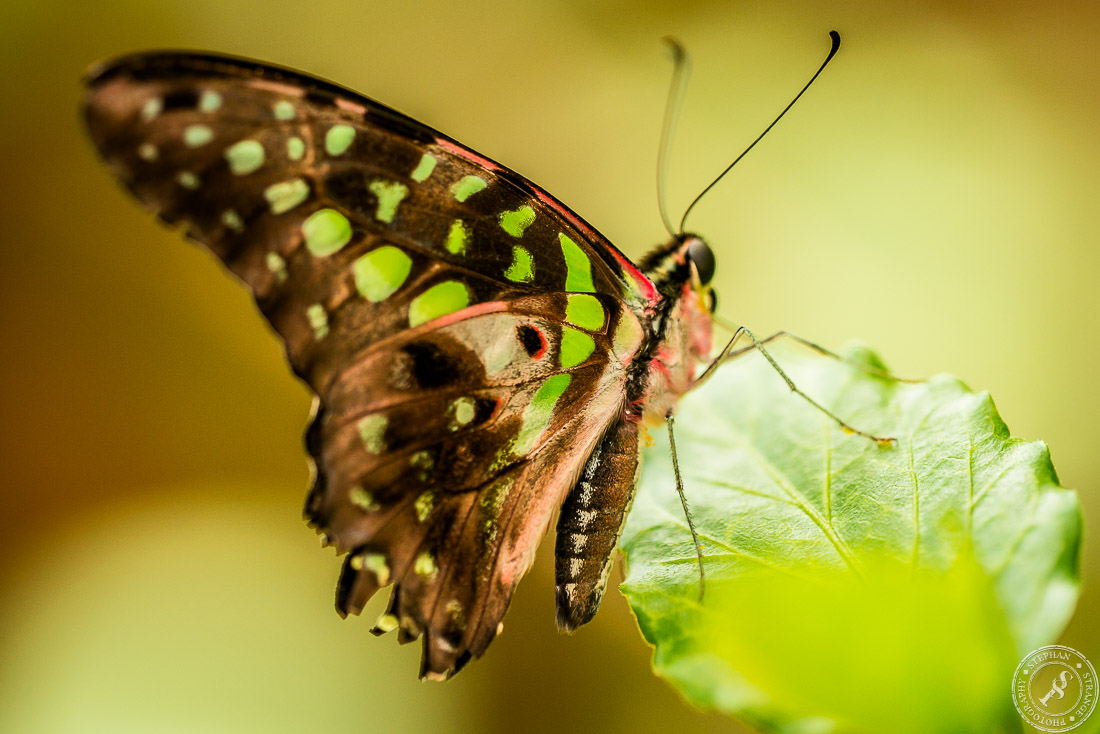
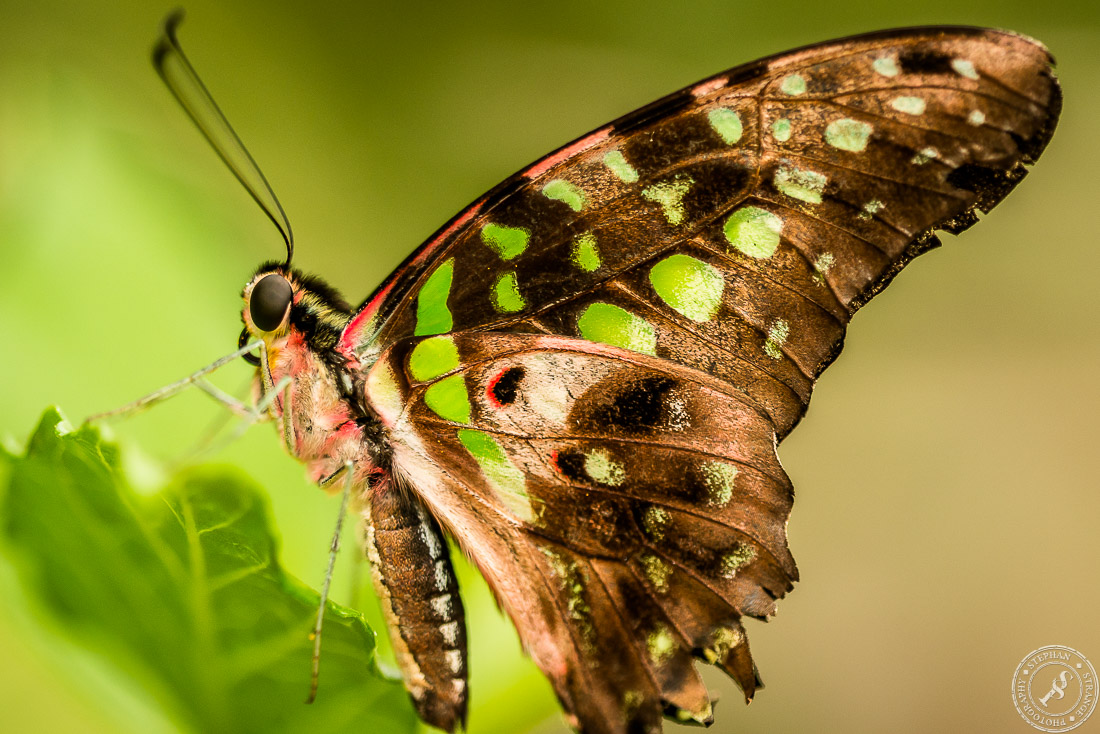
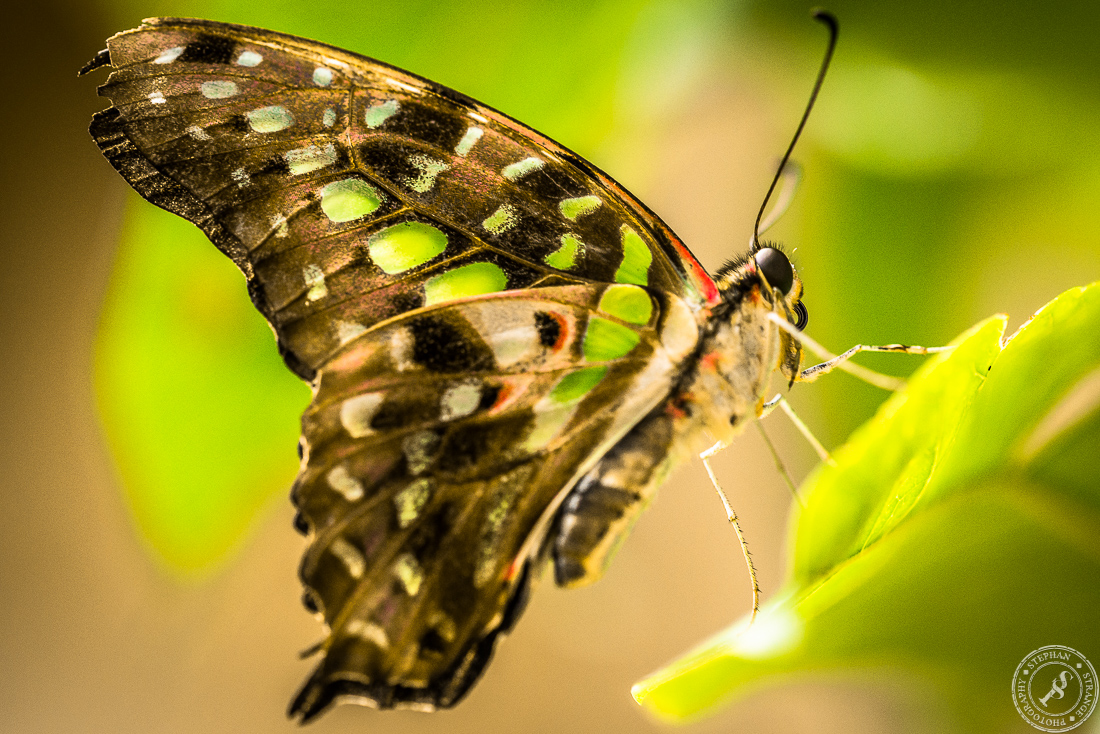
This is not a typical christmas posting. I have no girl with a sexy christmas dress for this year, or a spanking santa. This year its a butterfly called the Tailed Jay (Graphium Agamemnon). I have to admit that I have no idear about butterflys. I am just into pictures and I have never done butterfly pictures before. I googled the name, before I wrote the posting 🙂 This tailed jay lives in a huge butterfly house in Gran Canaria. I was there with my Sigma 150mm macro and a monopod. I actually came for the birds, not for the butterflys and it was my first time in an butterfly house. First I watched the russian tourists there who tries to catch some butterflys with there iPads and iPhones, but only got unsharp pictures 🙂 Well, thats the benefit of an camera with a fast lens and a high ISO range .-)

Dunas de Maspalomas

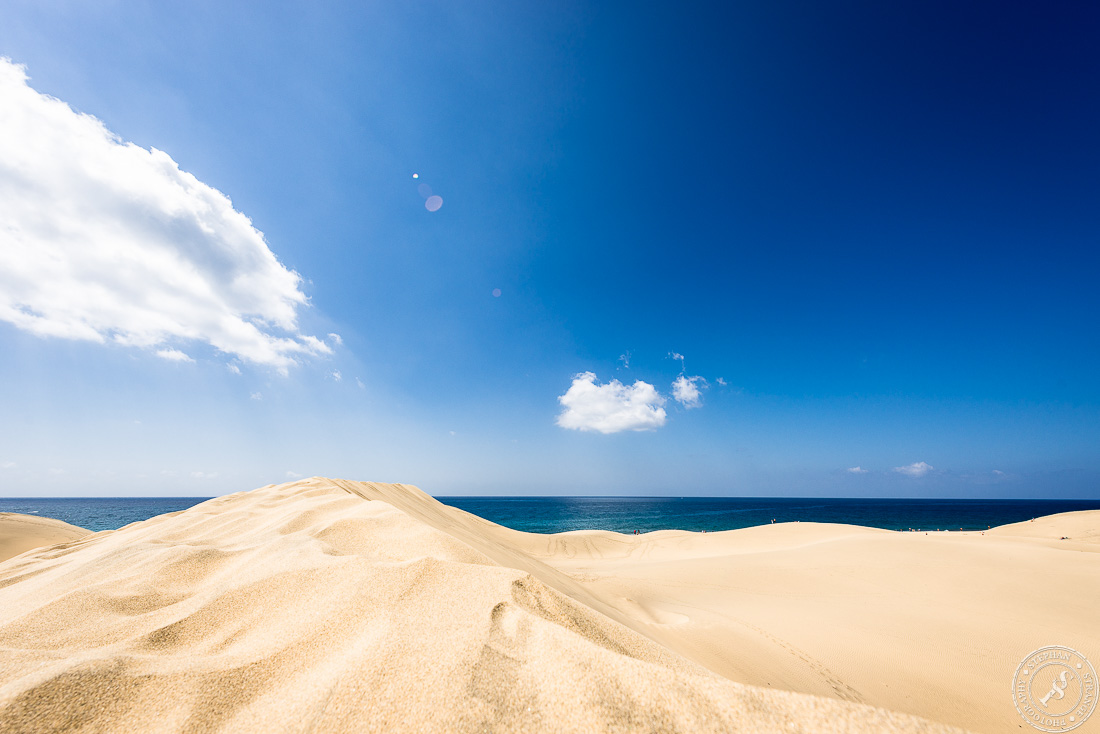
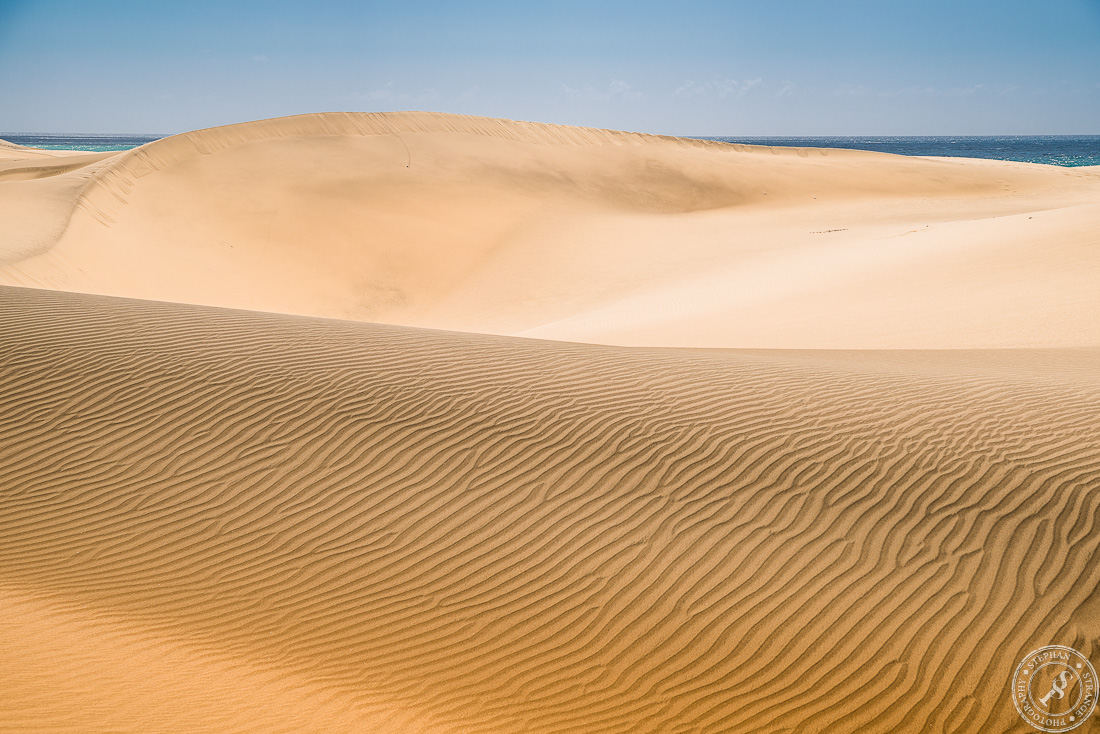
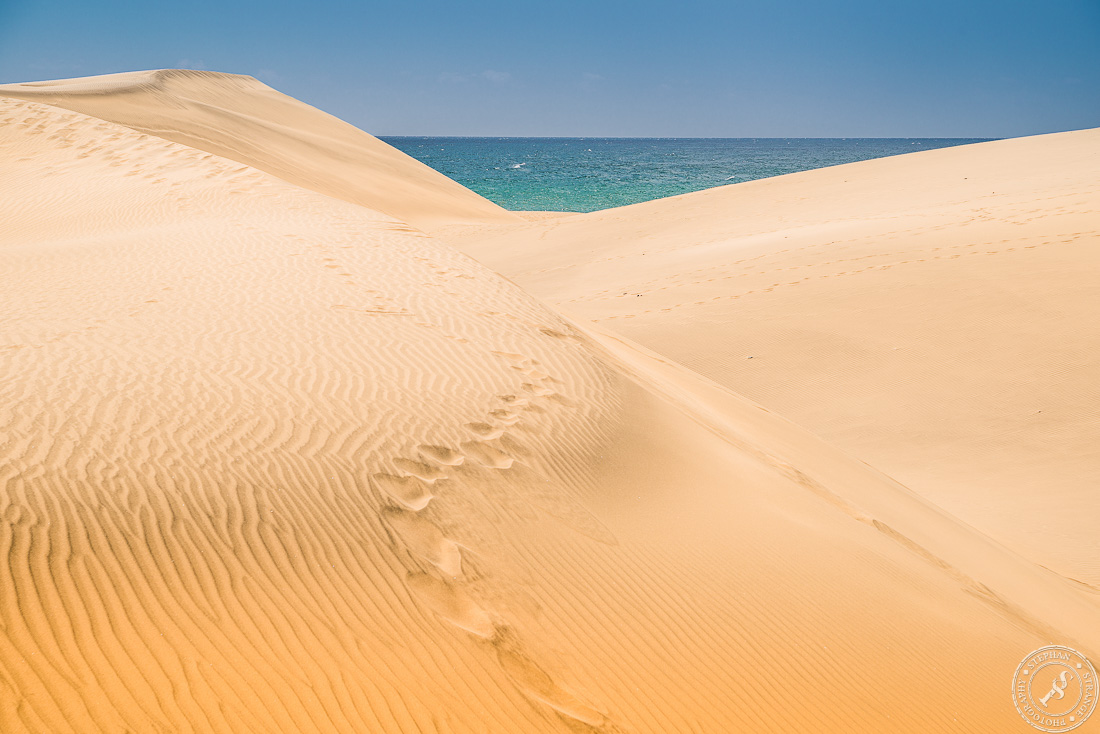
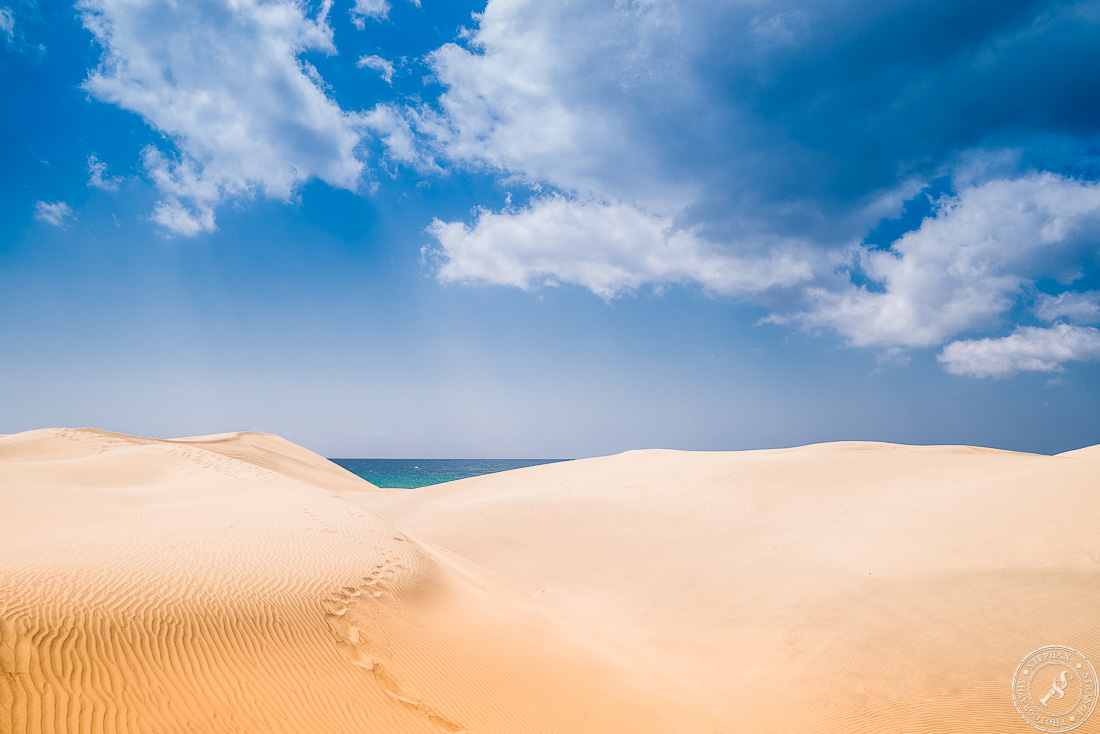
The great Dunas de Maspalomas

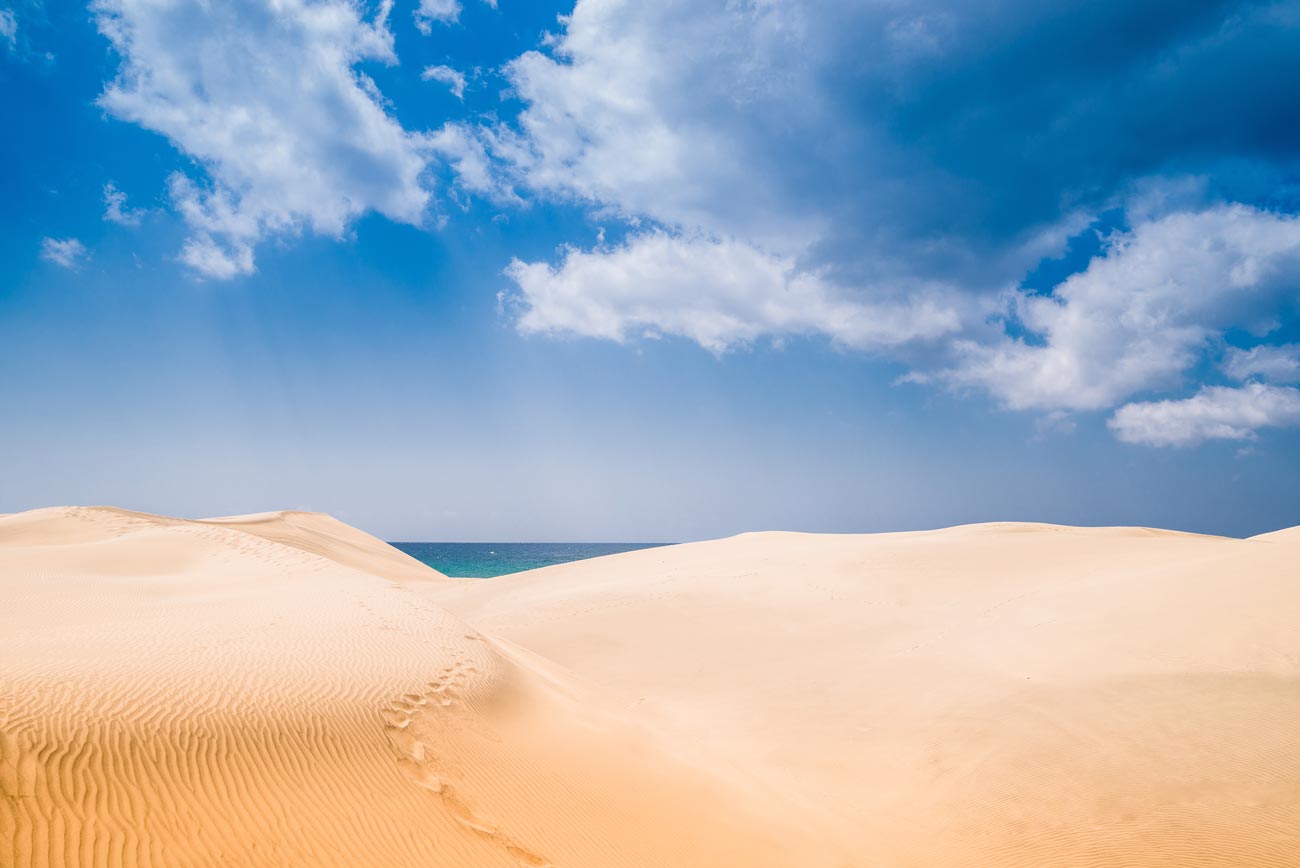
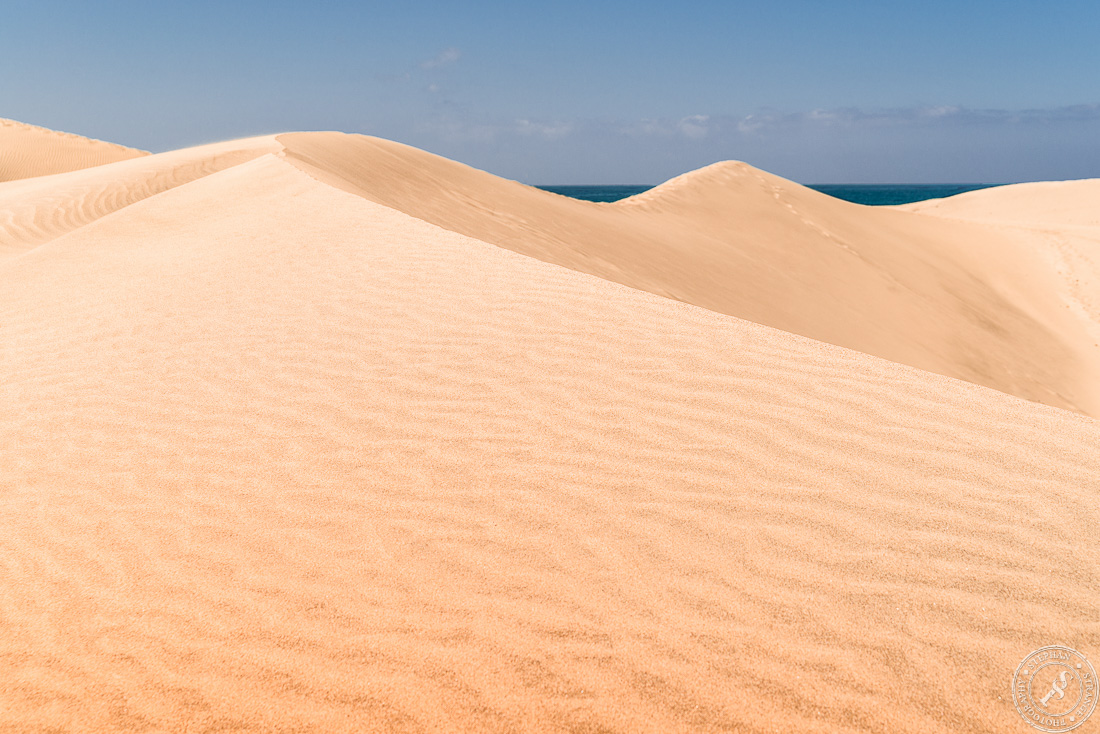
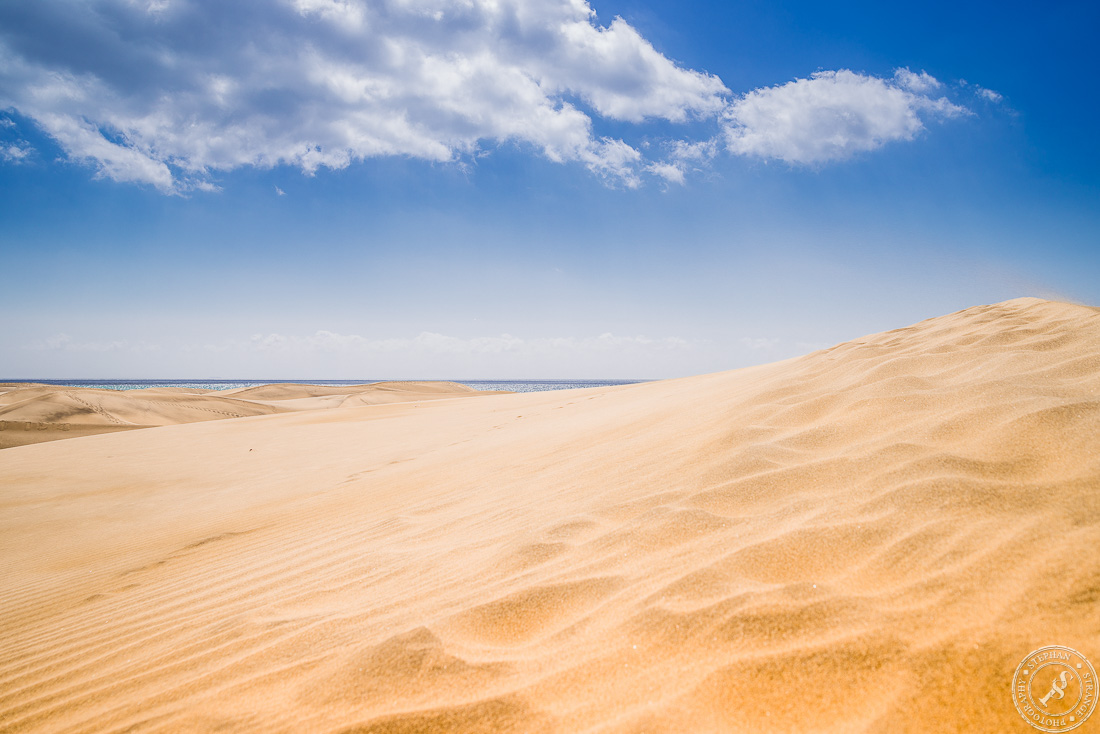
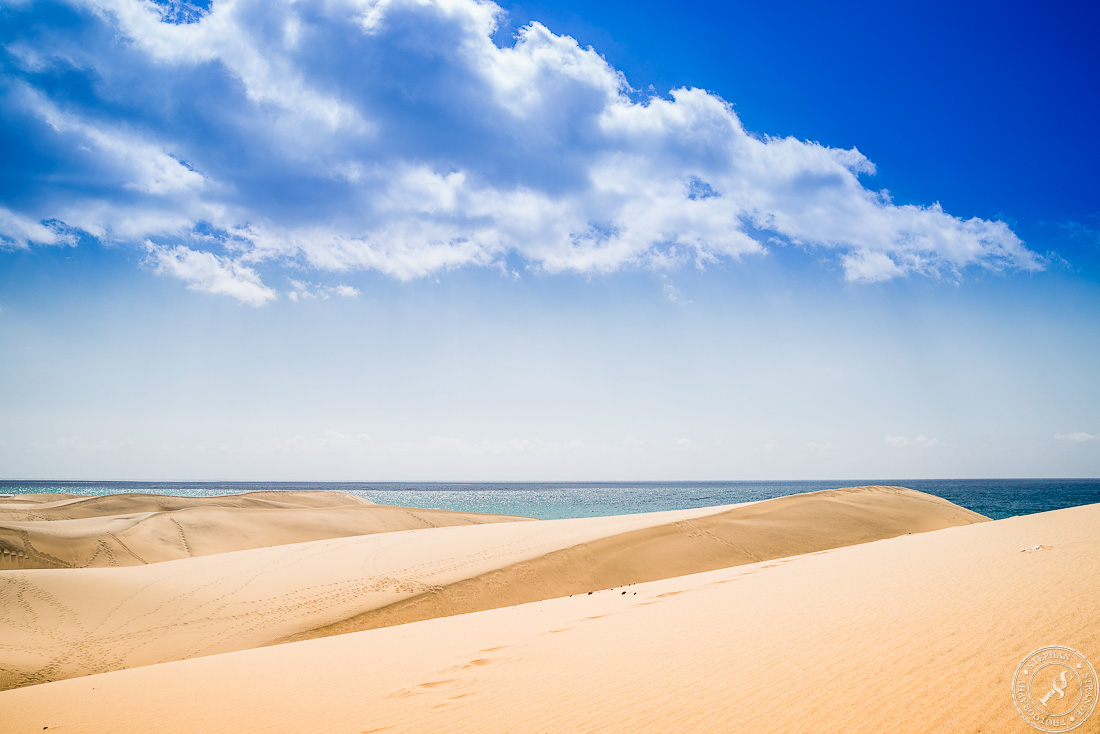
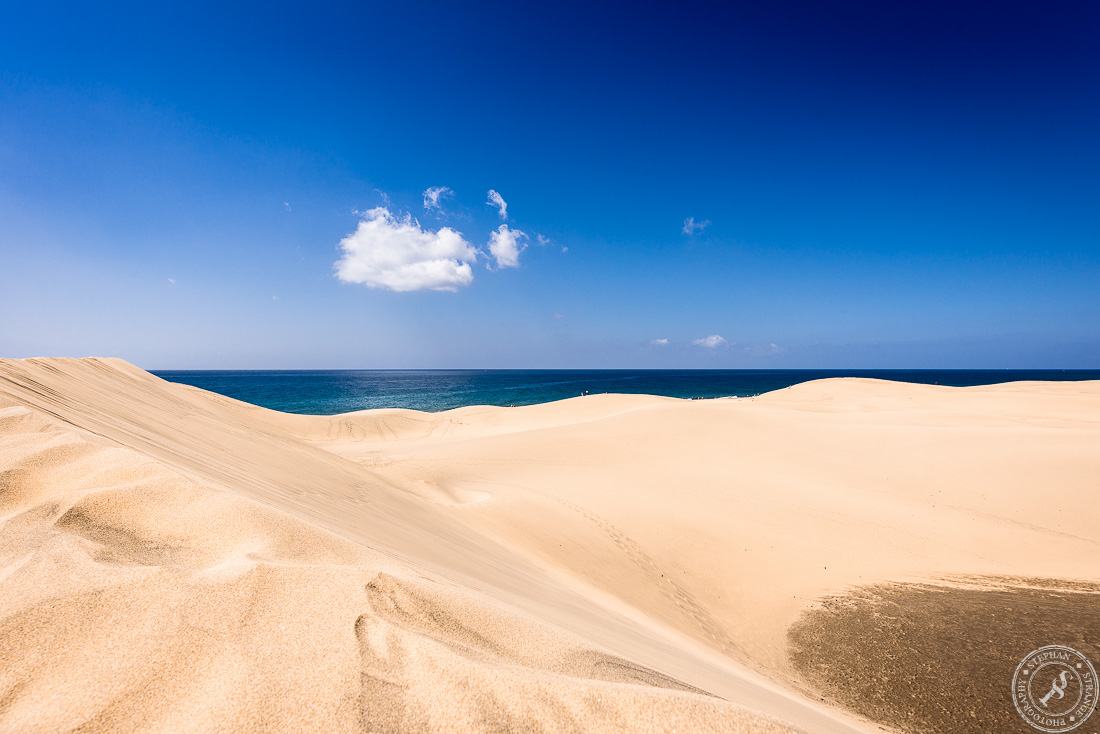
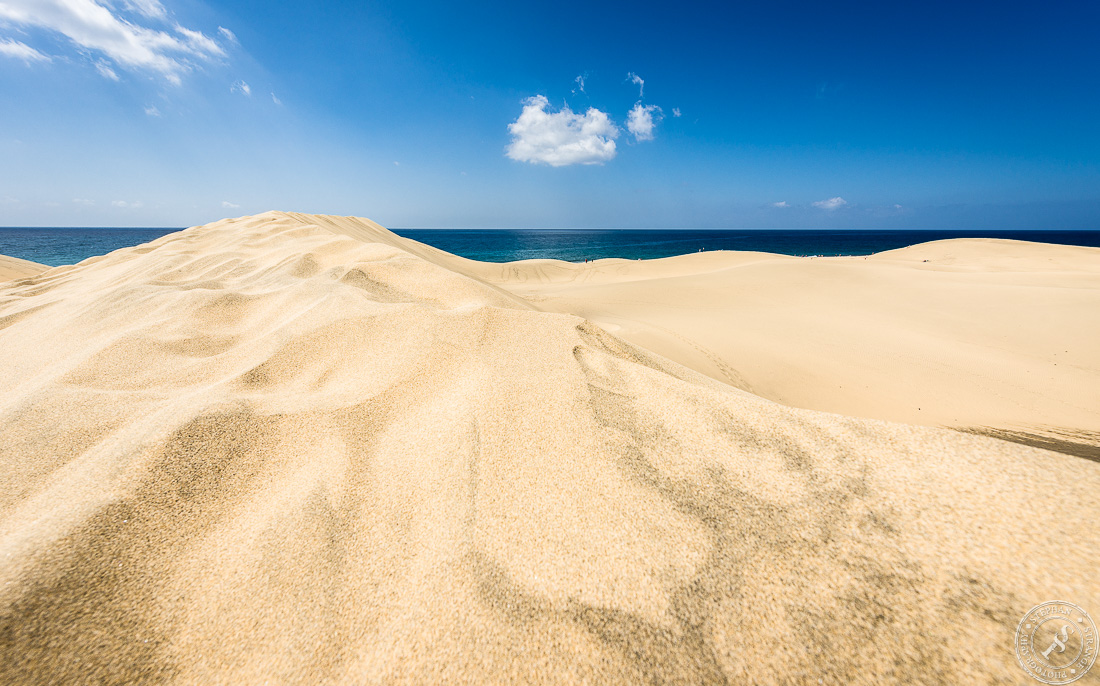
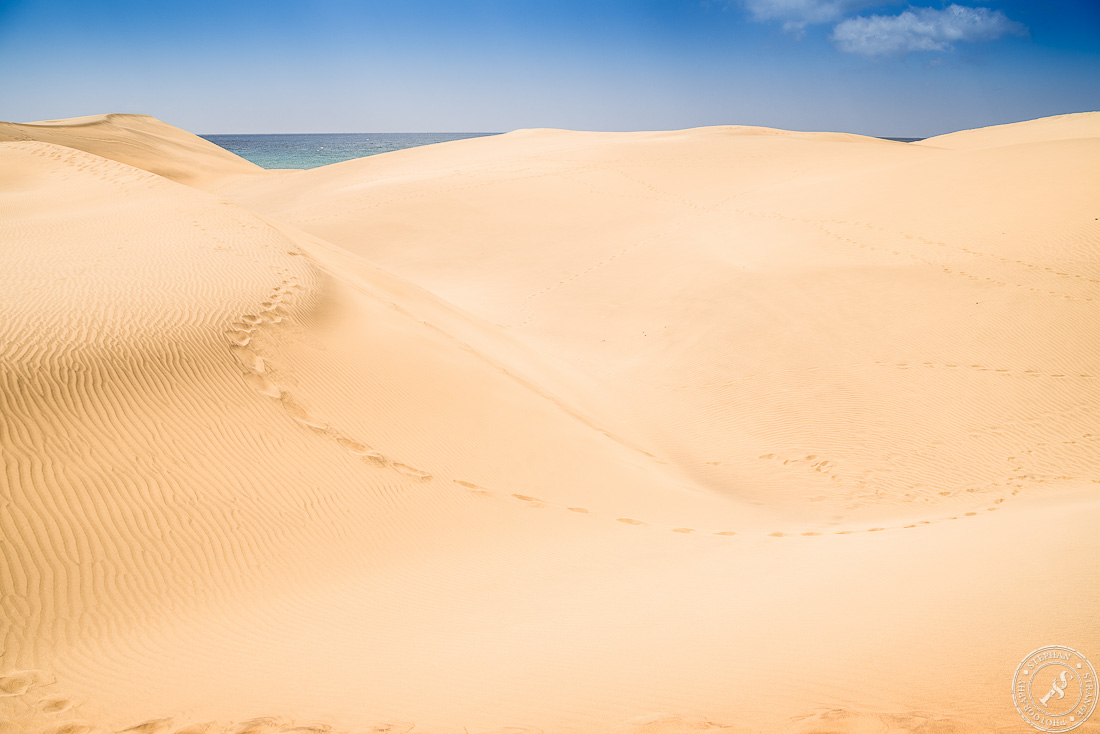
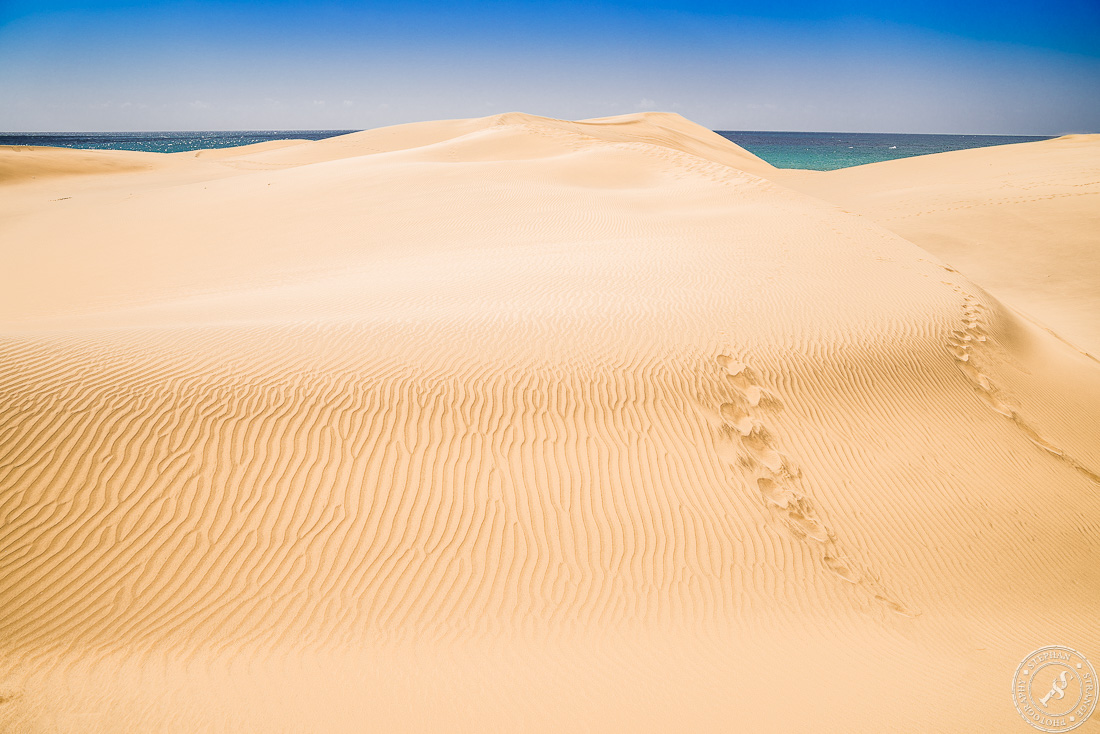
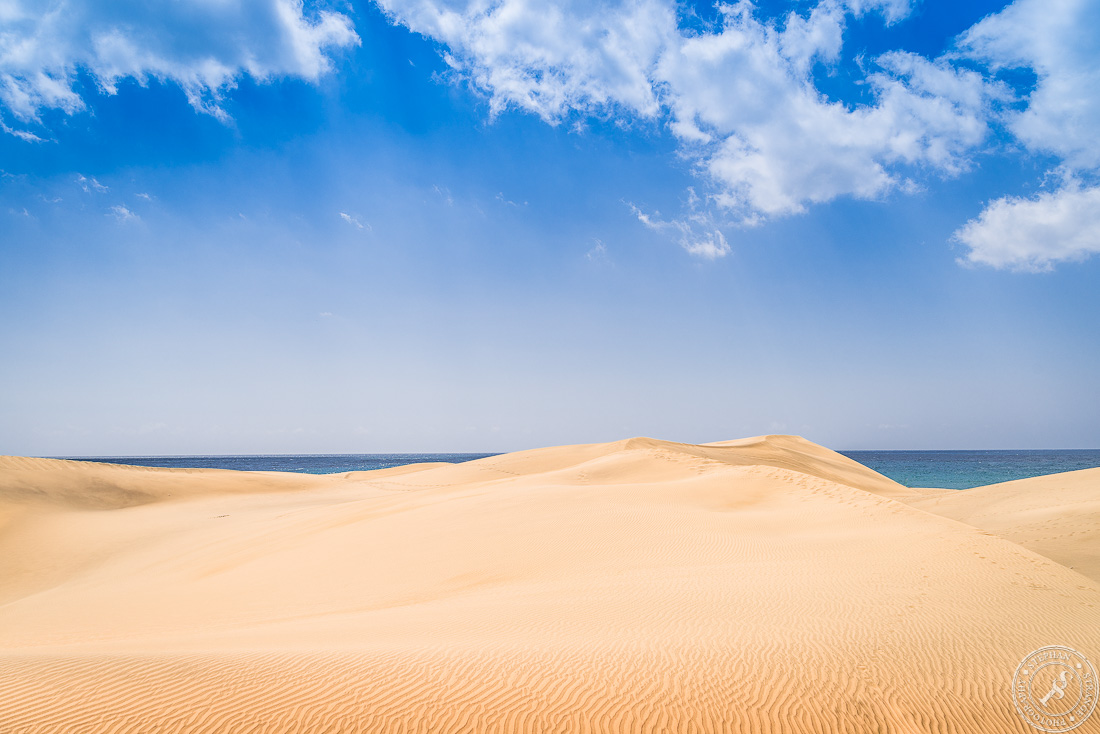
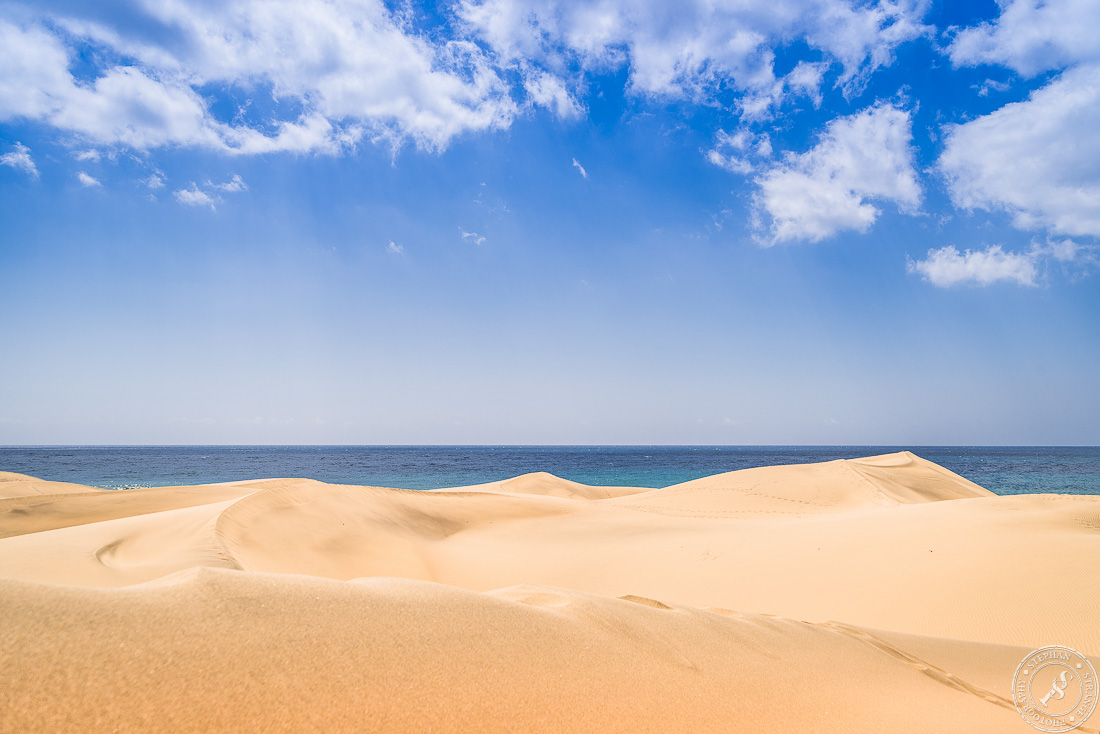
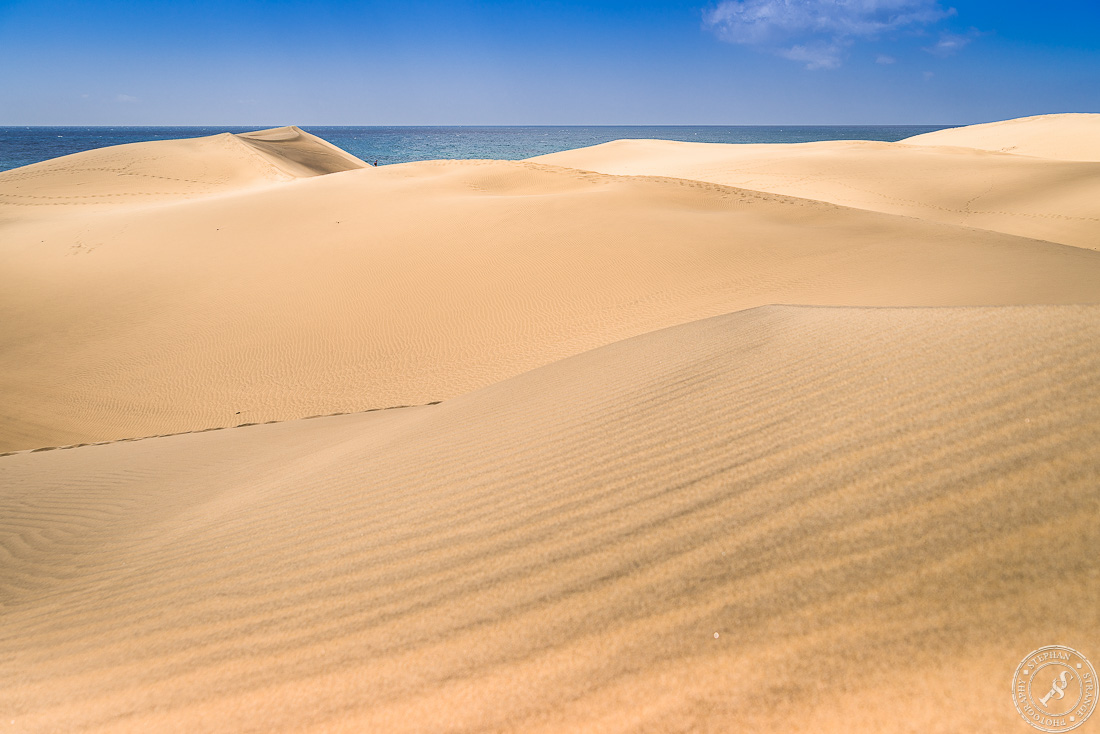
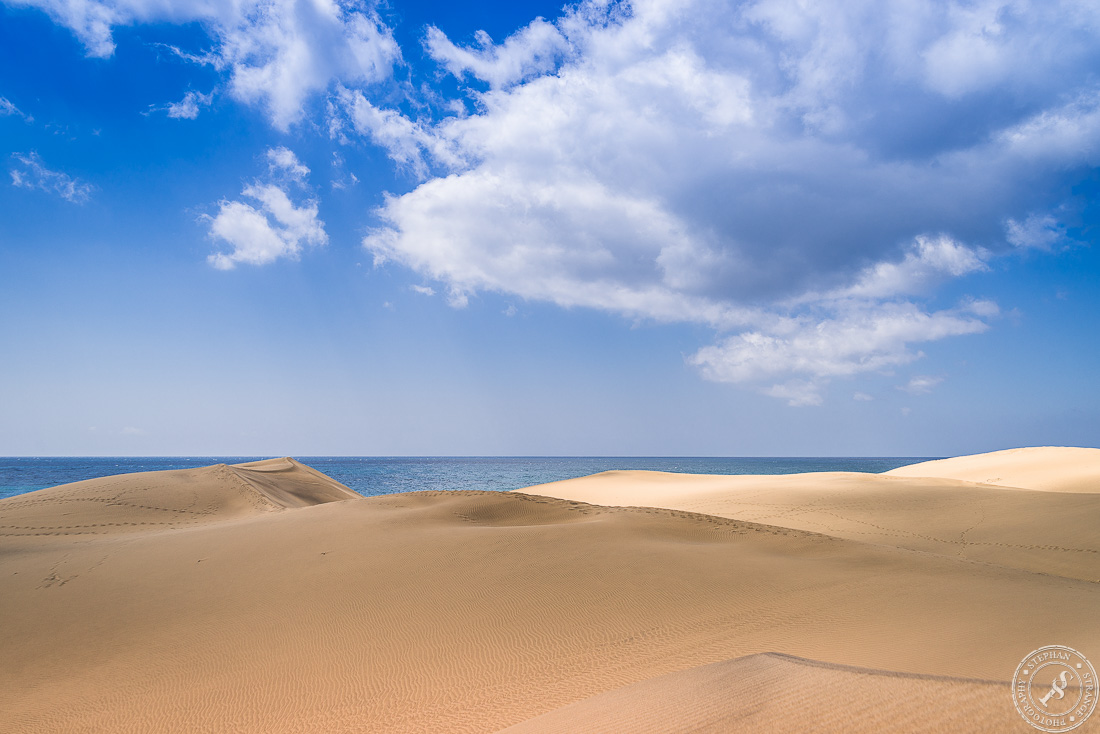
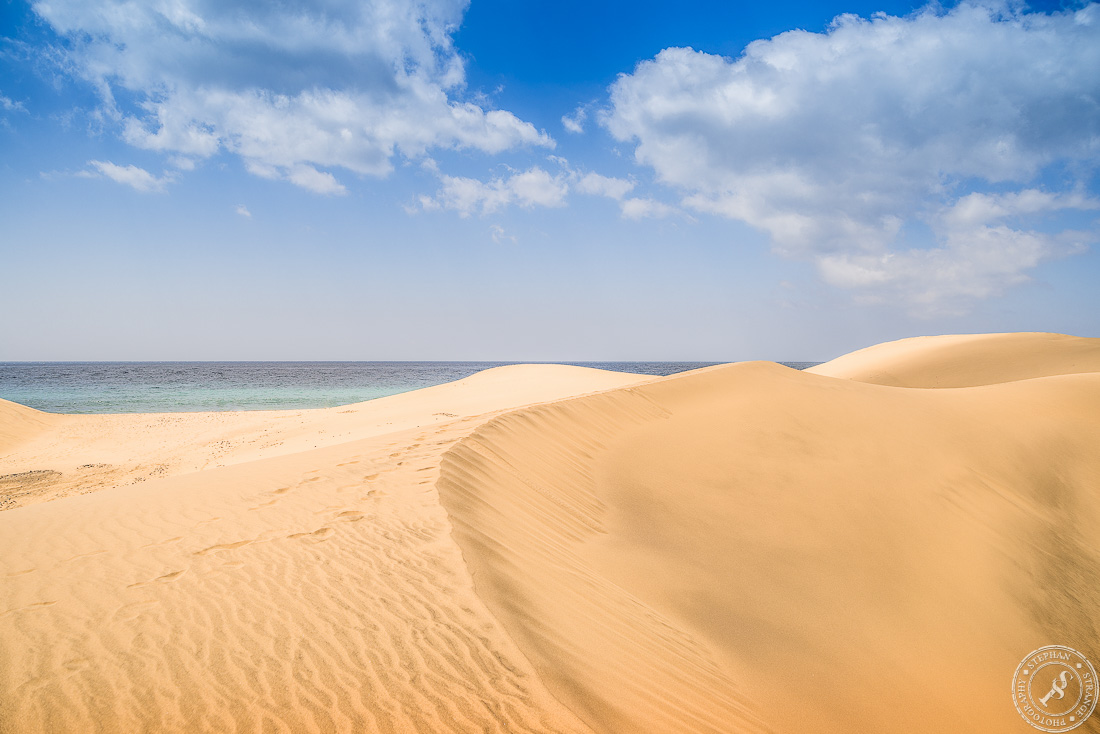
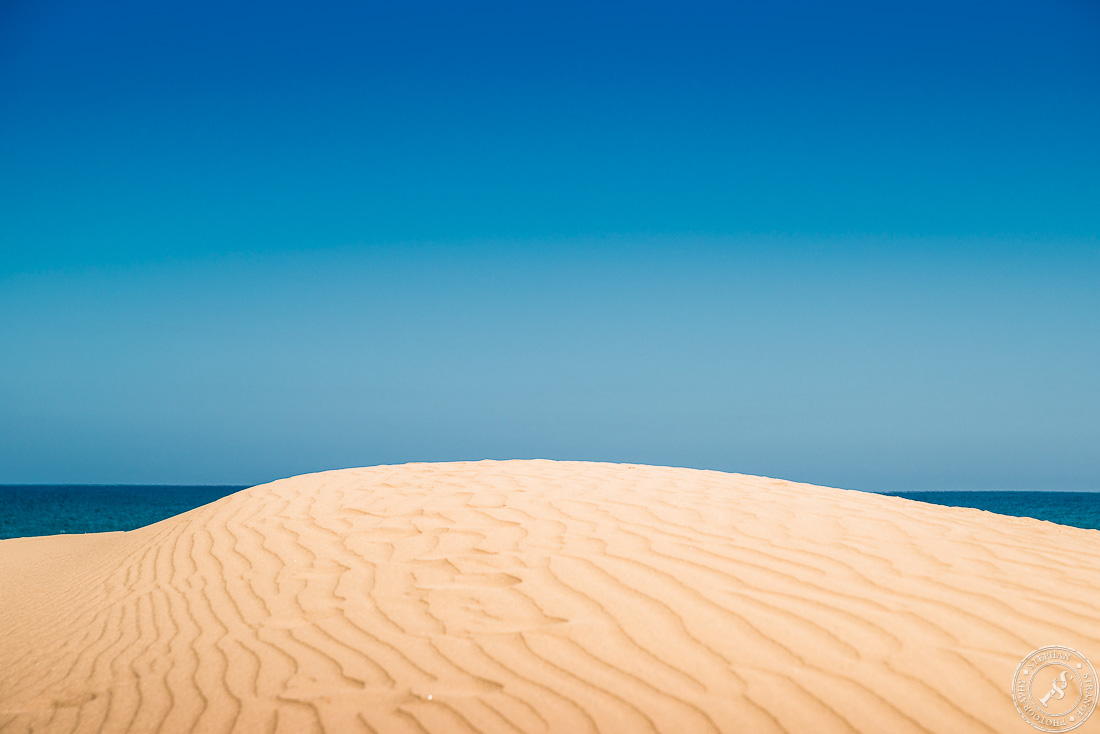
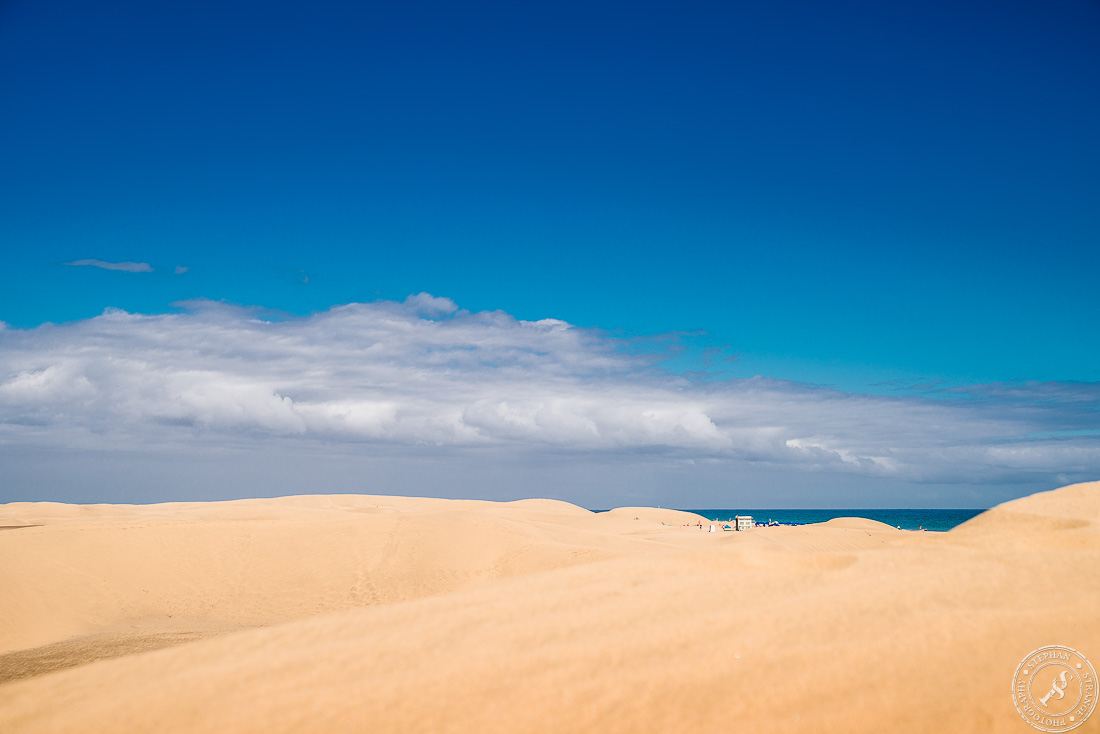
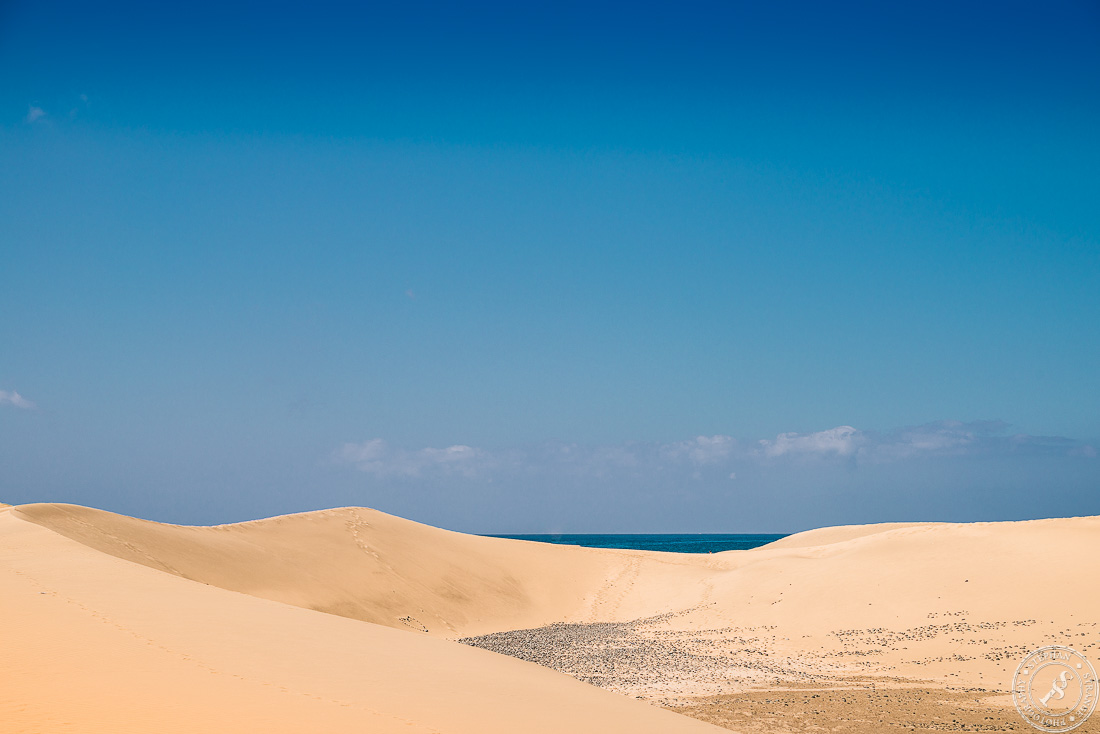
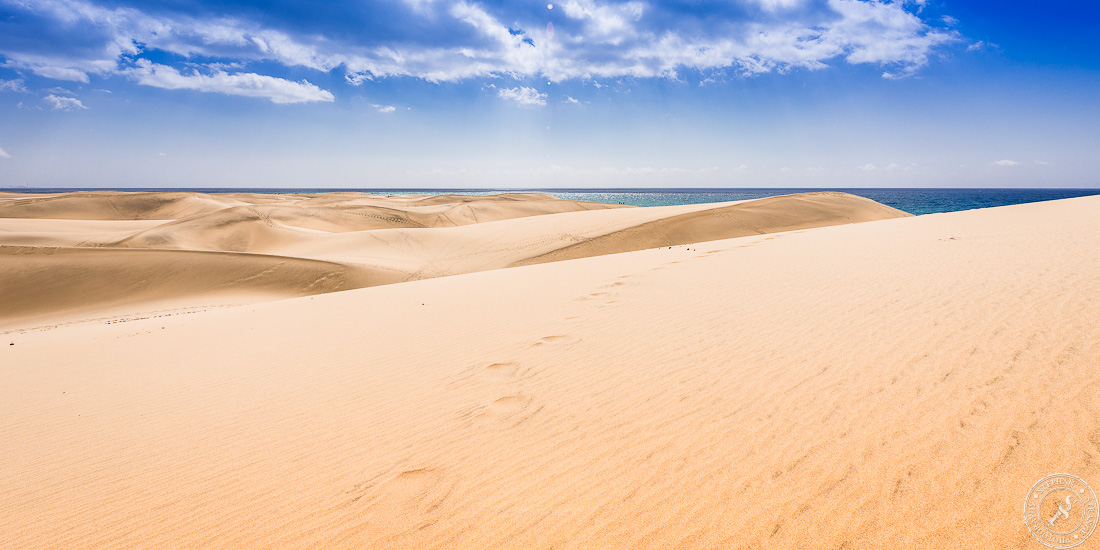
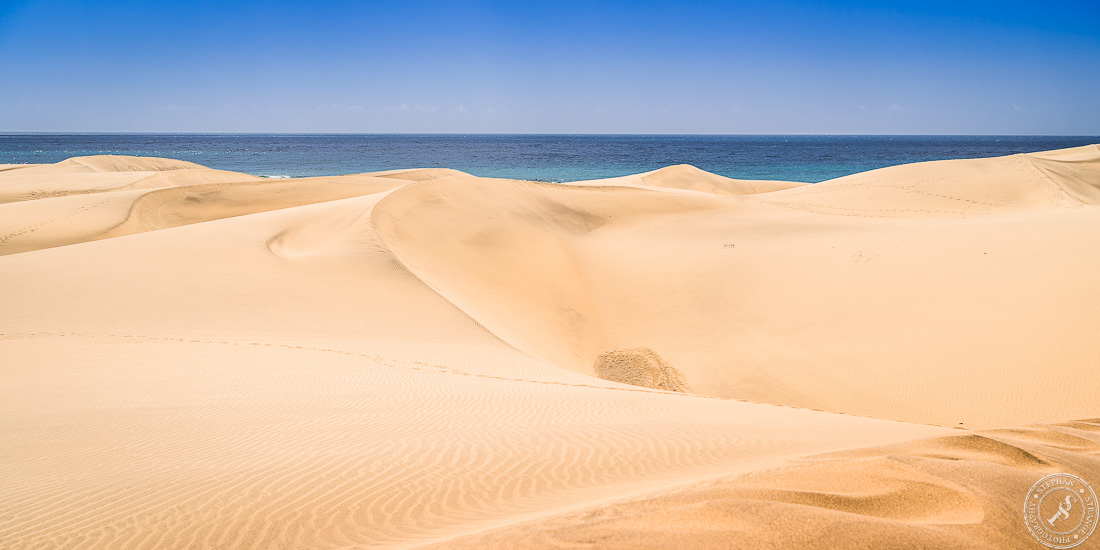
The great Dunas de Maspalomas are sand dunes in the south of Gran Canaria. Its a well known place for tourists. The gread task the Dunas de maspalomas is not the sand or the winds. Its to get your picture free of people, specialy free of nude people. The dunas are popular by the nudity communinty and very popular by the gay community. And both are don t like people with huge cameras. They always expect a peeping tom or pervert behind. And not a nature photographer. I was on there with my D800 the Nikon 14-24 and my Nikon 70-200mm. So I attract much attension.

Exotic Birds free flight show Palmitos Park, Gran Canaria

Exotic Birds

Some for european eyes exotic birds in flight. Taken at the exotic birds free flight show in Gran Canaria. Precisely at Palmitos Park. A medium large Zoo in the south of Gran Canaria. They offers amongst others a exotic birds free flight show, birds of prey show and a butterfly house. The two mentioned shows and the Butterfly house are for me the key reasons to visit this Zoo. I am not a fan of Orca or Delphine shows.

Die Exotische Vögel show war neben der Raubvogel Show und dem Schmetterlingshaus einer der Gründe für mich den Palmitos Park auf Gran Canaria zu besuchen. Delfin oder Orca Shows sind nicht so mein fall, da geh ich lieber zwei mal durchs Schmetterlingshaus und versuche schöne Bilder zu bekommen.

Colorfull snail shell on the crater bottom of Lanzarotes Vulcano Montana Roja

A snail shell at the crater bottom.

First I found a snail shell. On a place I dont expect to found anything. I was on my way to the top of Lanzarote`s Montana Roja. A 200 meter high and dead old vulcano in the south of Lanzarote, near Playa Blanca  Than I found a nother colorfull snail shell. And than a lot of snail shells. Seems there is more life in old vulcano craters than I expected. Specialy on islands full of sand and stones. The bottom was full of small plants, snail shell`s, some rabbits and lizzards. More natural vegetation  as I saw in the rest of the island.