Der Monarchfalter // The monarch butterfly

Der Monarchfalter // The monarch butterfly

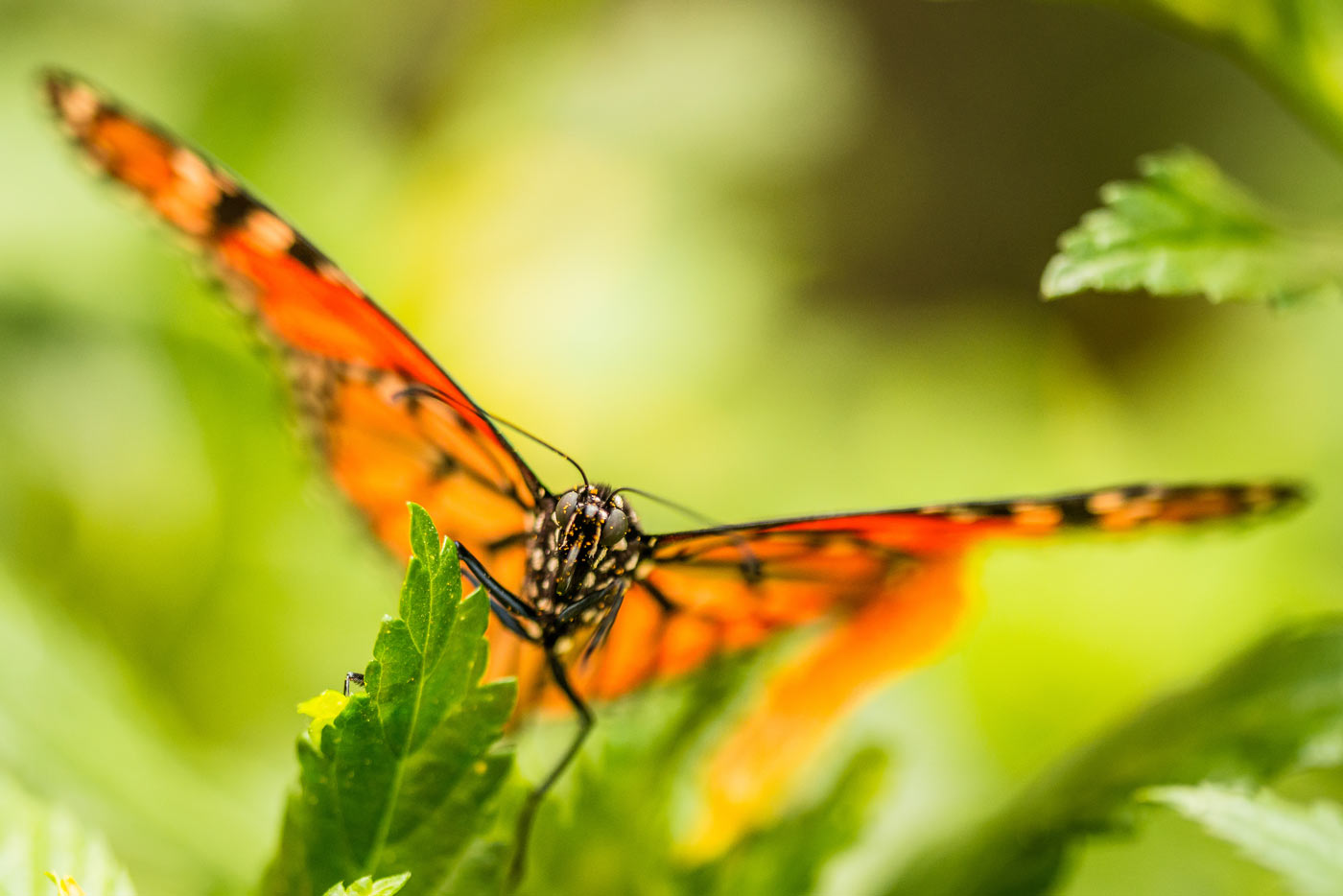
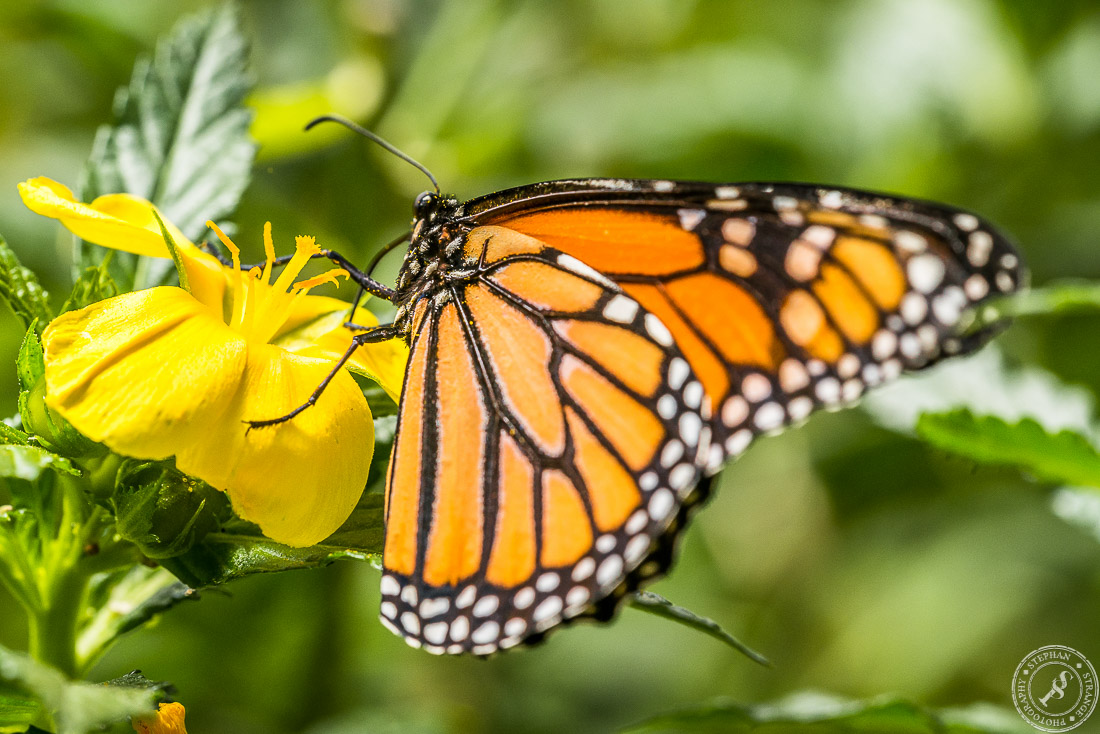
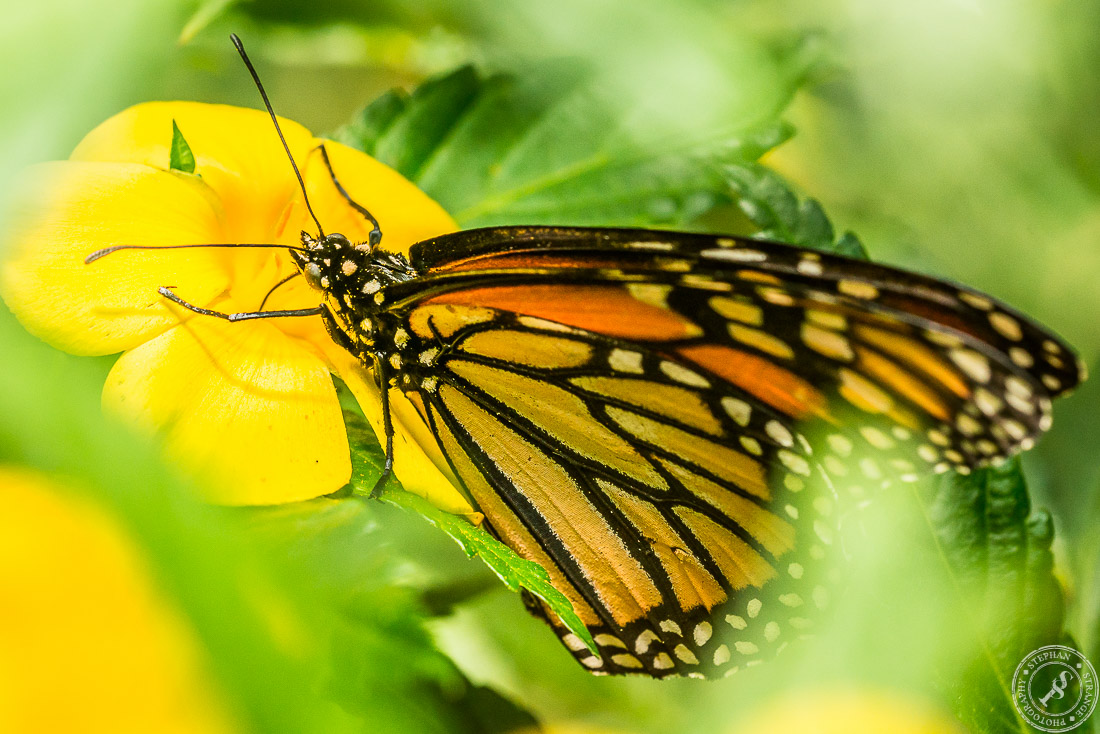
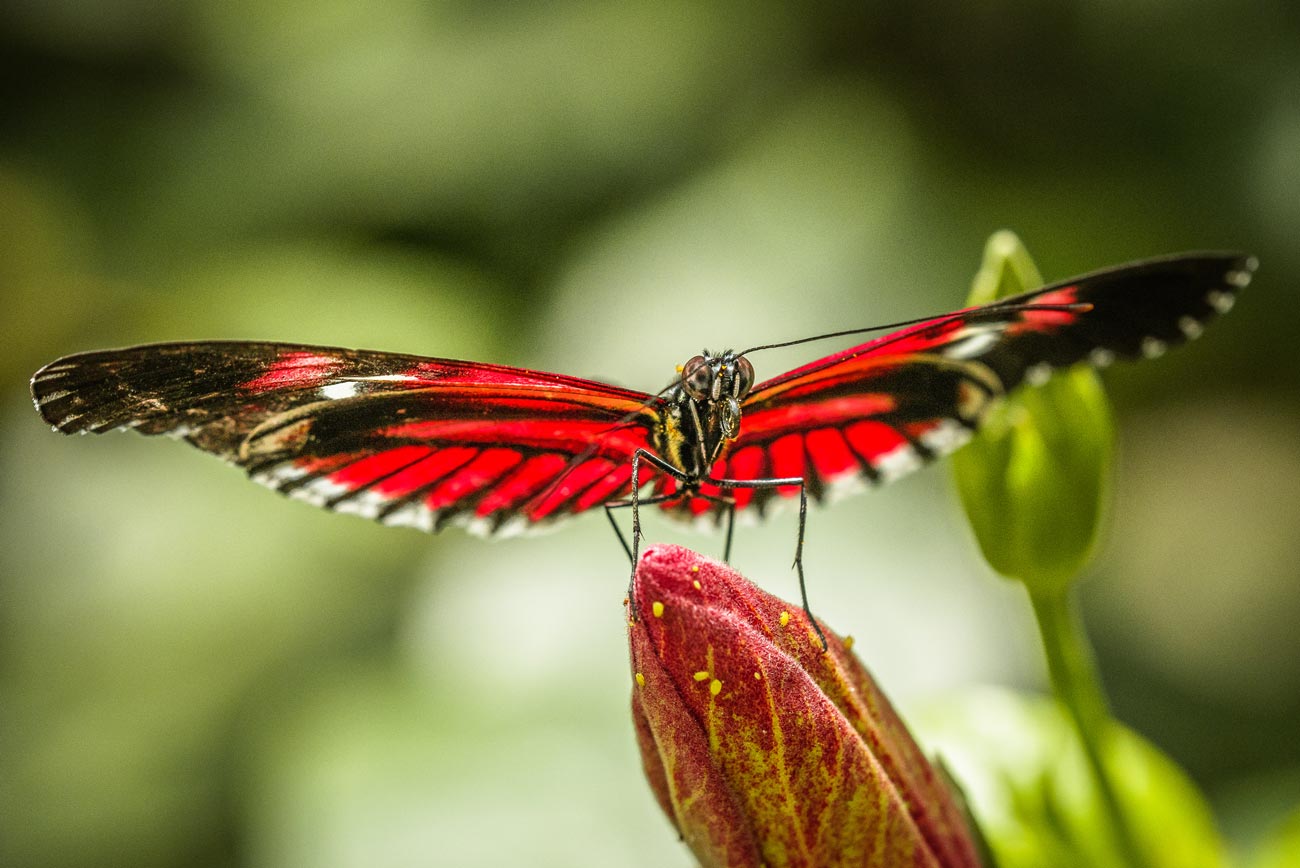
Der Monarchfalter ist ein sehr reiselustiger Geselle. Er kommt aus Nordamerika und legt bei seiner Wanderung zur Überwinterung nach Mittelamerika bis zu 3600 Kilometer zurück. Die Bäume und Pflanzen sind dann zum Teil komplett bedeckt mit dem Falter.Der Monarchfalter // The monarch butterfly Allerdings sind diese Bilder nicht in Amerika entstanden, sondern auf Gran Canaria. Im Schmetterlingshaus des Palmitos Parks. Laut Eigenwerbung ist es das größte Schmetterlingshaus in Europa. Ich war bis jetzt nur in diesem, deswegen kann ich das nicht beurteilen. Aber klein war es jetzt nicht gerade. Man kann schon einige Zeit da drin verbringen. Auf der Bank sitzen und zu schauen, wie andere Besucher versuchen mit ihren Phones und Tablets ein paar Schmetterlinge zu jagen. Die Schmetterlinge dort haben zwar keine Angst vor dem Menschen, aber trotzdem sind sie ständig zwischen den Blumen auf Achse. Sehr lustig, vor allem wenn jemand mit Flipflops und Ipad versucht einem Schmetterling hinterher zu stolpern.

The monarch butterfly. A north american butterfly who travels over 3000 kilometers to Mexico hibernate there. I took the monarche (Danaus plexippus) at Palmitos Park Butterfly House on Gran Canaria. The self claimed largest Butterfly House in europa.

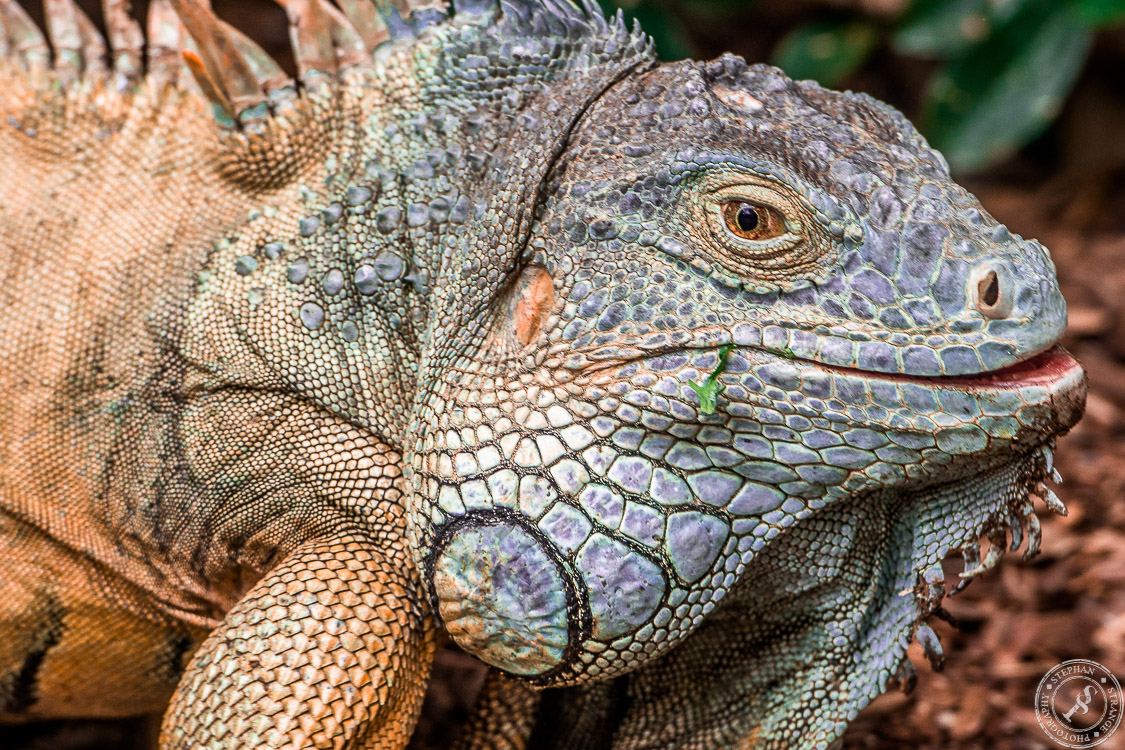
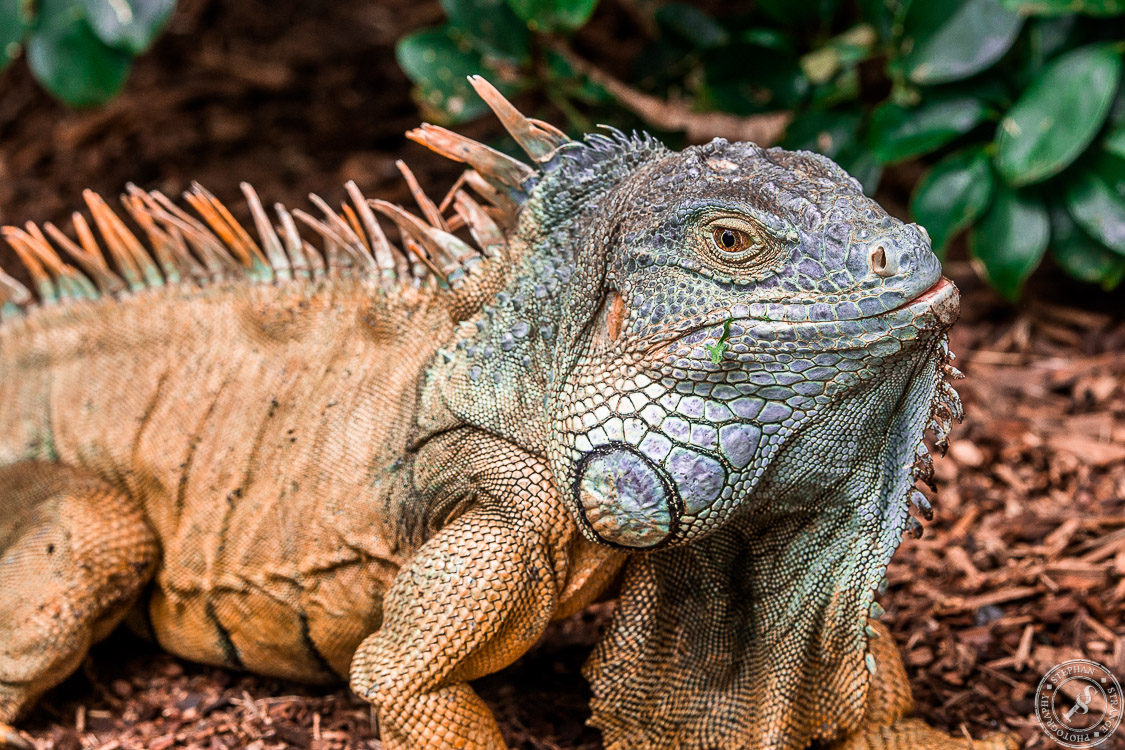
Iguana Iguana Rhinolopha

Der Drachenkopf des Iguana iguana rhinolopha

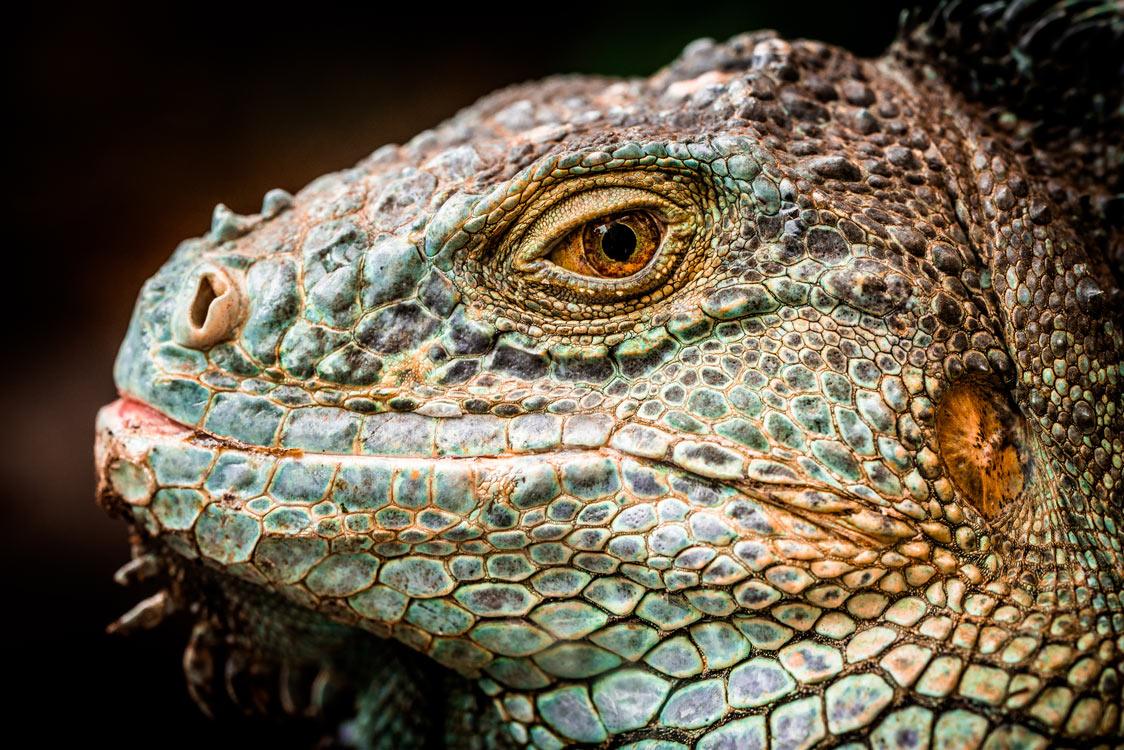
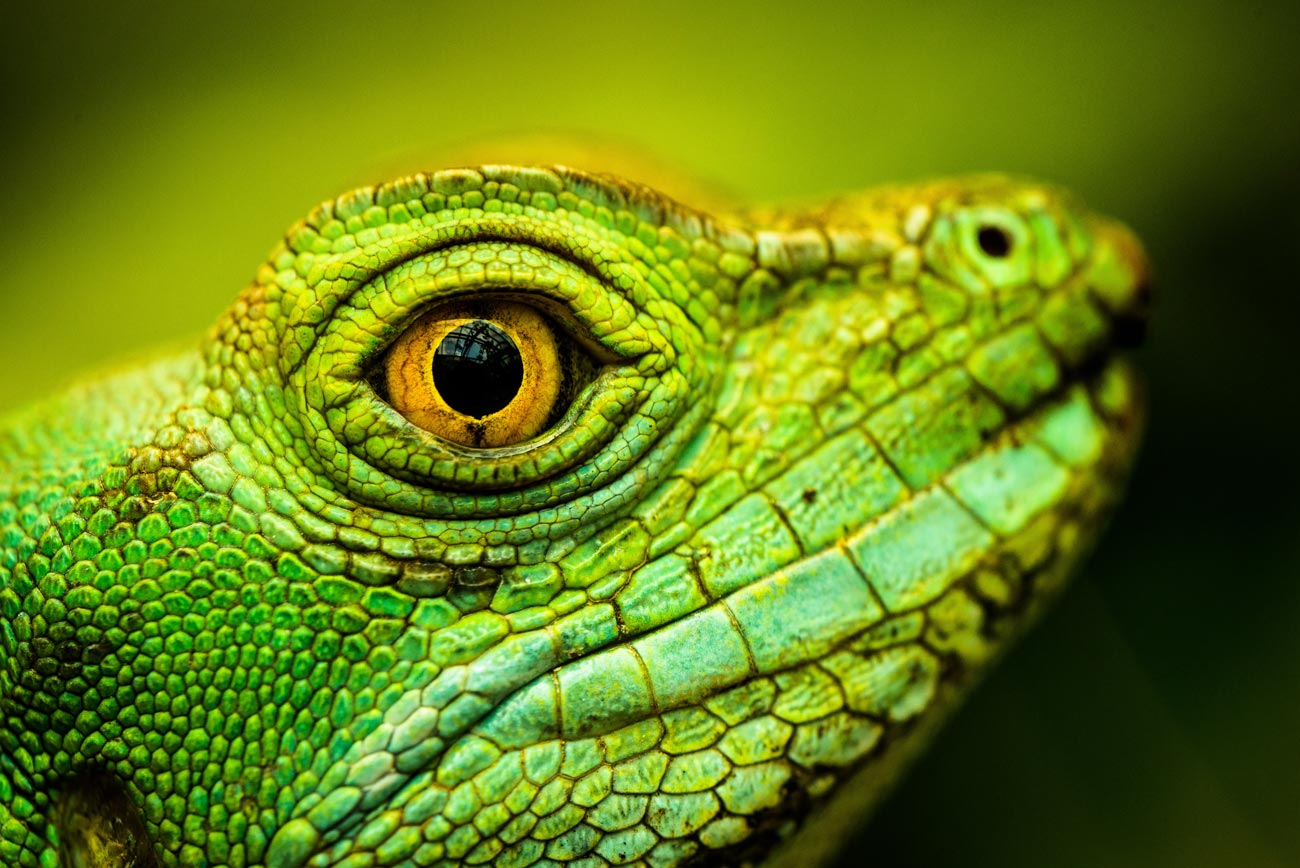
Der Iguana Iguana Rhinolopha ist eine Unterart des grünen Leguans. Einen deutschen Namen konnte ich leider nicht finden. Er läuft unter Grüner Leguan unterart. Der Drachenkopf des Iguana iguana rhinolopha. Einer aus Mittelamerika kommende Unterart des grünen LeguansIm englischen scheint es ähnlich zu sein. Schweres Schicksal, aber na ja 🙂 Der Iguana Iguana Rhinolopha kommt vor allem in Mittelamerika vor und ist recht leicht an seinen zwei bis drei kleinen Hörnern auf der Schnauze zu erkennen. Außerdem erschien er mir nicht so grün wie sein Vetter und verfügte über einen wesentlich größeren Höcker unter dem Ohr. Aber vielleicht ist das auch nur ein subjektiver Eindruck. Ich bin nicht wirklich ein Spezialist auf diesem Gebiet. Auf jedenfall finde ich den Kopf des Leguans sehr spannend. Nicht umsonst nennt man ihn auch Drachenkopf, bzw. stellt sich so in der Art einen Drachen vor. Und das er sich nicht wirklich viel bewegt hat ist natürlich von ein Vorteil.

Der Drachenkopf des Iguana iguana rhinolopha. Einer aus Mittelamerika kommende Unterart des grünen Leguans // The deagon like head of the Iguana iguana rhinolopha

His head looks like the head of a dragon. The head of Iguana iguana rhinolopha. Naturalists once classified these iguanas as a separate subspecies. But now they are not sure if they where right with that. I took most of thouse pictures with my Sigma 150mm macro lens. So I am very happy that he is not a very fast moving animal 🙂 Normaly he lives at southern Mexico. But I met him at the Loro Parque on Tenerife.

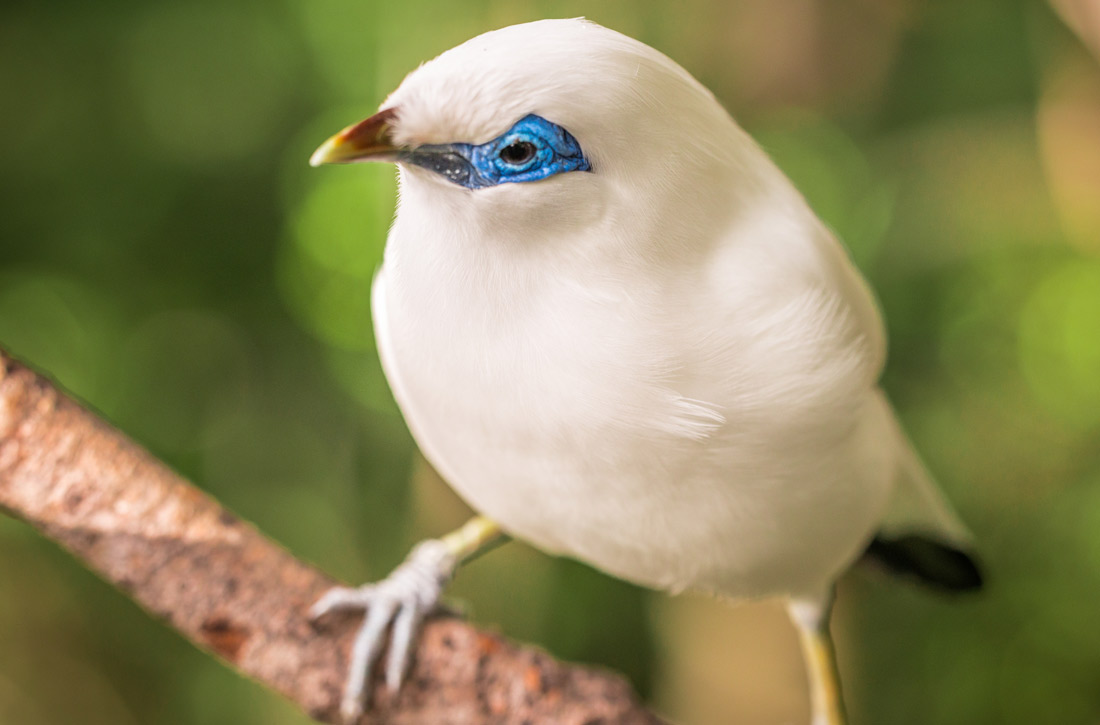
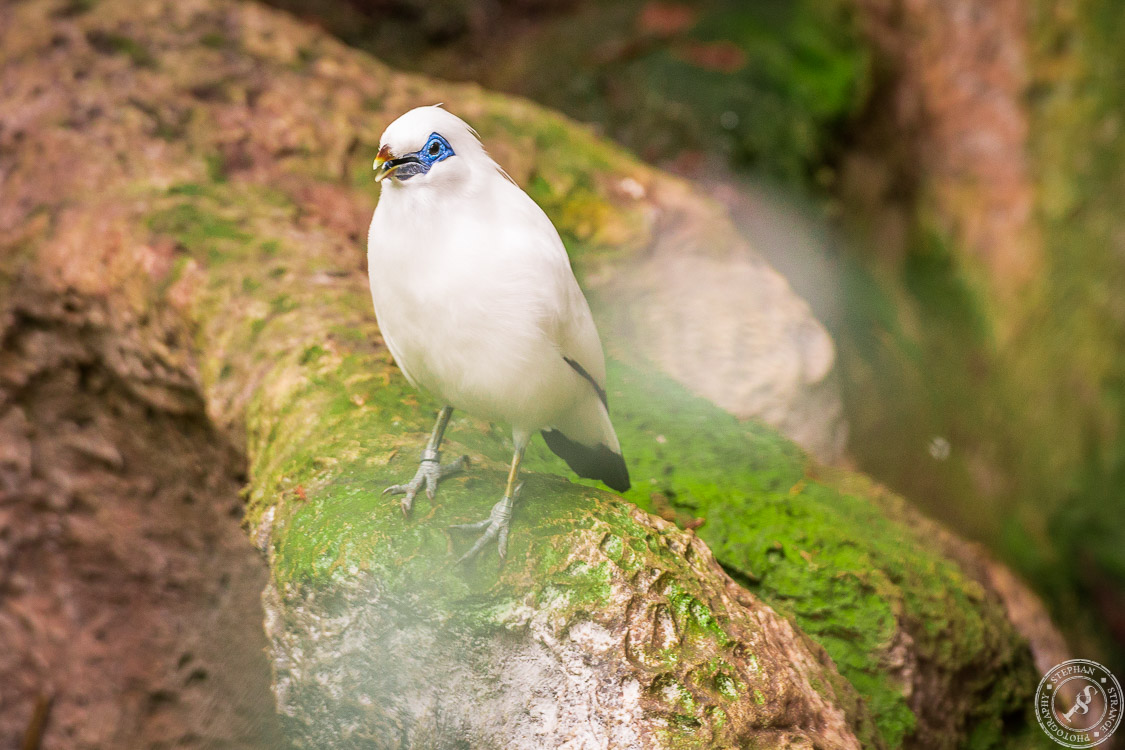
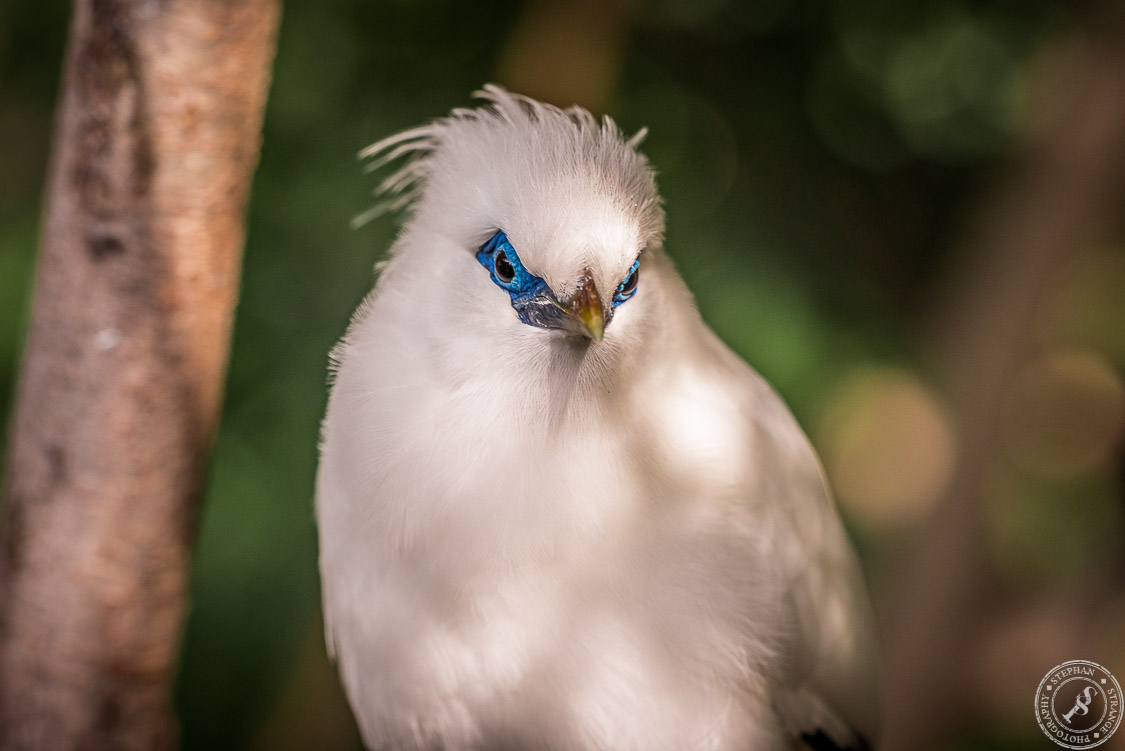
Bali Myna oder auch Balistar genannt

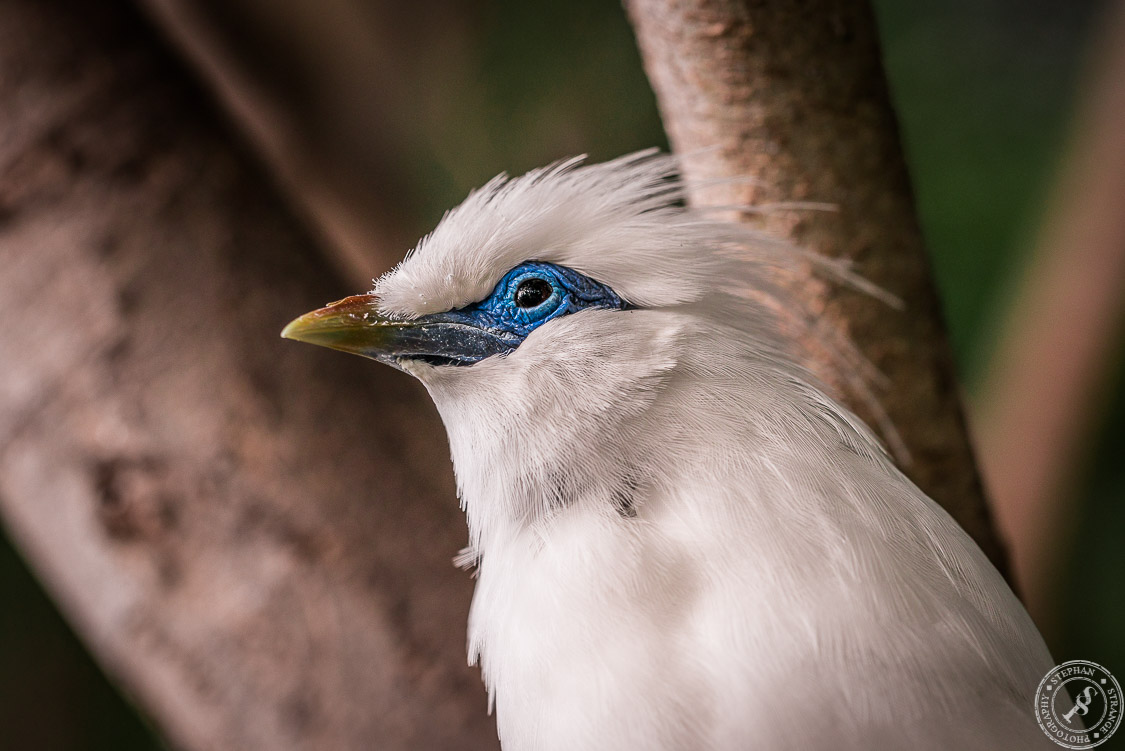
Ein Bali Myna oder auch Balistar genannt

Leider kann man den Bali Myna oder auch Balistar genannt, nur noch sehr selten in freier Wildbahn bewundern. Wie sollte es auch anders sein, ist er von aussterben bedroht. Der Holzabbau engt seinen schon sehr kleinen Lebensraum immer mehr ein.Bali Myna Leucopsar rothschildi Balistar So hab ich ihn auch nur in einem Zoo fotografieren können. Wobei ich bis jetzt auch noch keine Reisepläne für Bali gehabt habe. So oder so wäre es also unwahrscheinlich gewesen, den Bali Myna (Leucopsar rothschildi) mal außerhalb eines Zoos zu fotografieren. Für einen Vogel der in einer begehbaren Freiflugvoliere lebt fand ich ihn sehr scheu. Er war eigentlich immer dort, wo man selber gerade nicht war. Und er auch scheint eher eine Vorliebe für schattige oder dunkle Stellen, am besten hinter Ästen zu haben. Aber dafür ist es ja auch sein zu Hause und er kann selber bestimmen wo er hin fliegt, und nicht der Fotograf 🙂

As you could suppose, the bali myna or Rothschild’s mynah is a high in danger bird from Bali. He is part of the starling family and lives normaly iin a small coast region of Bali. All pictures here are taken at a zoo. 

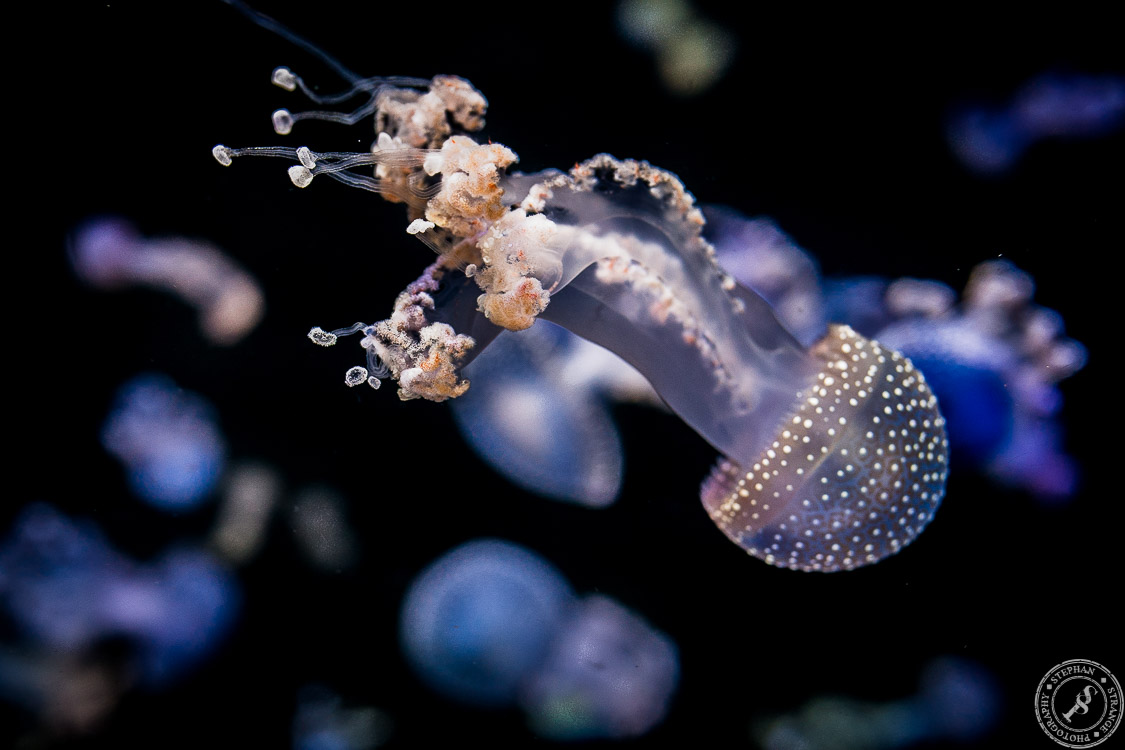
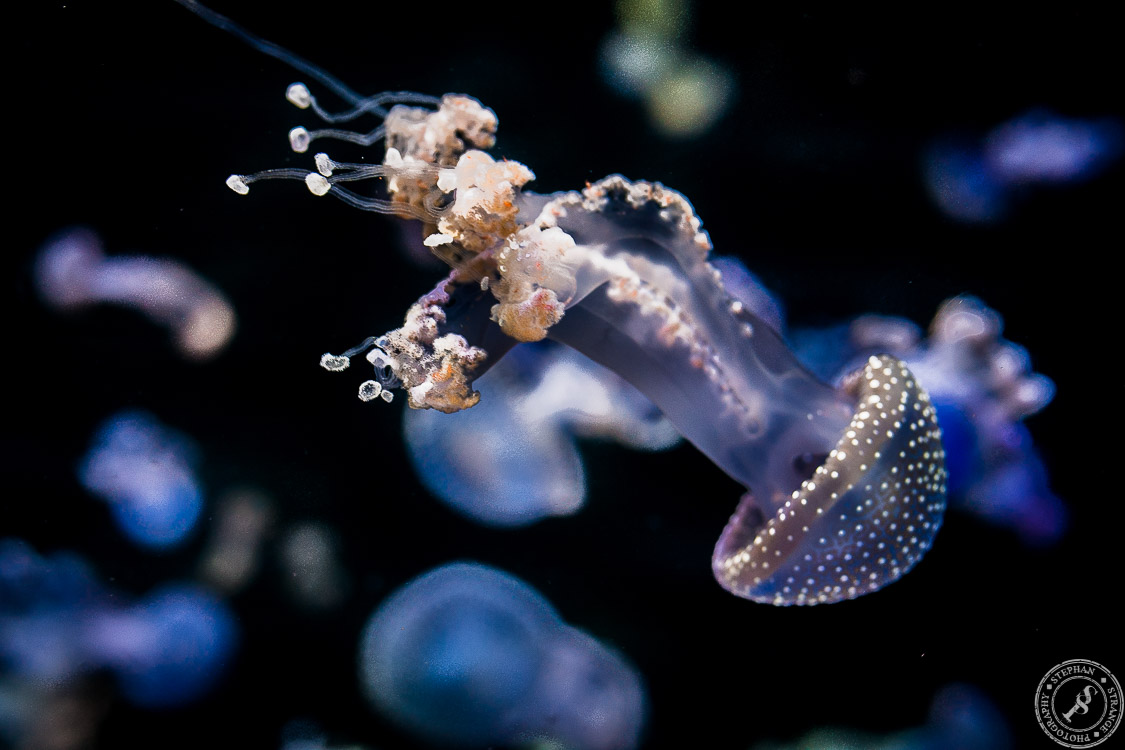
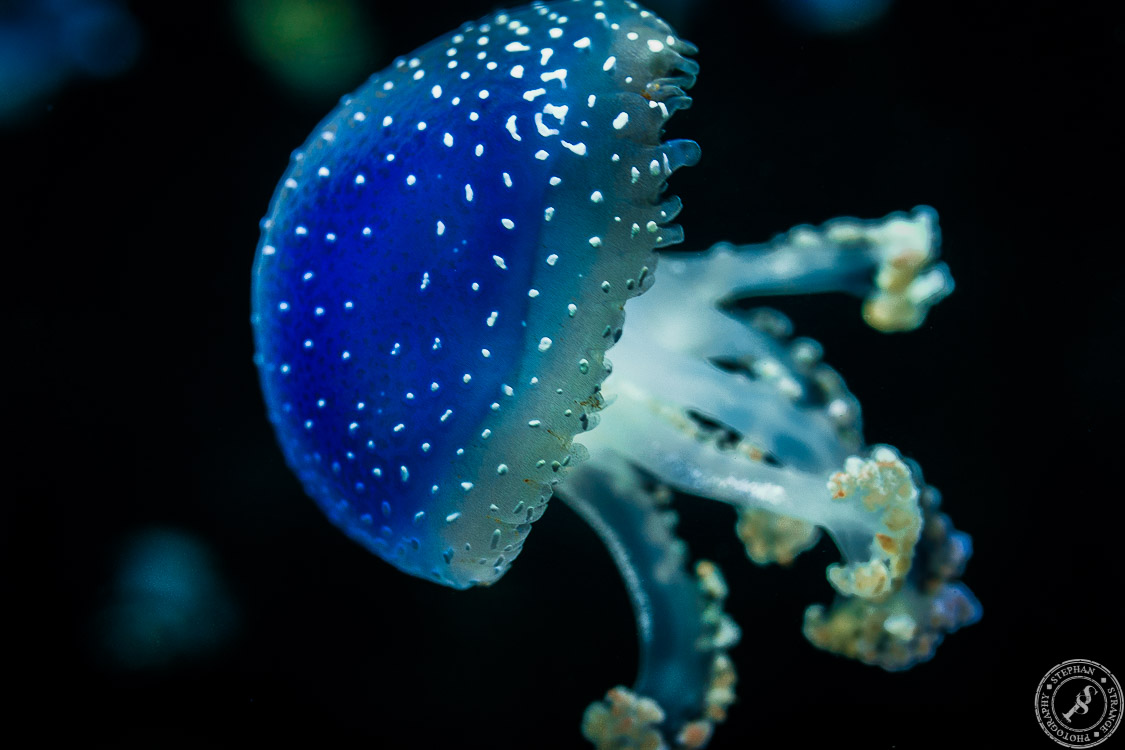
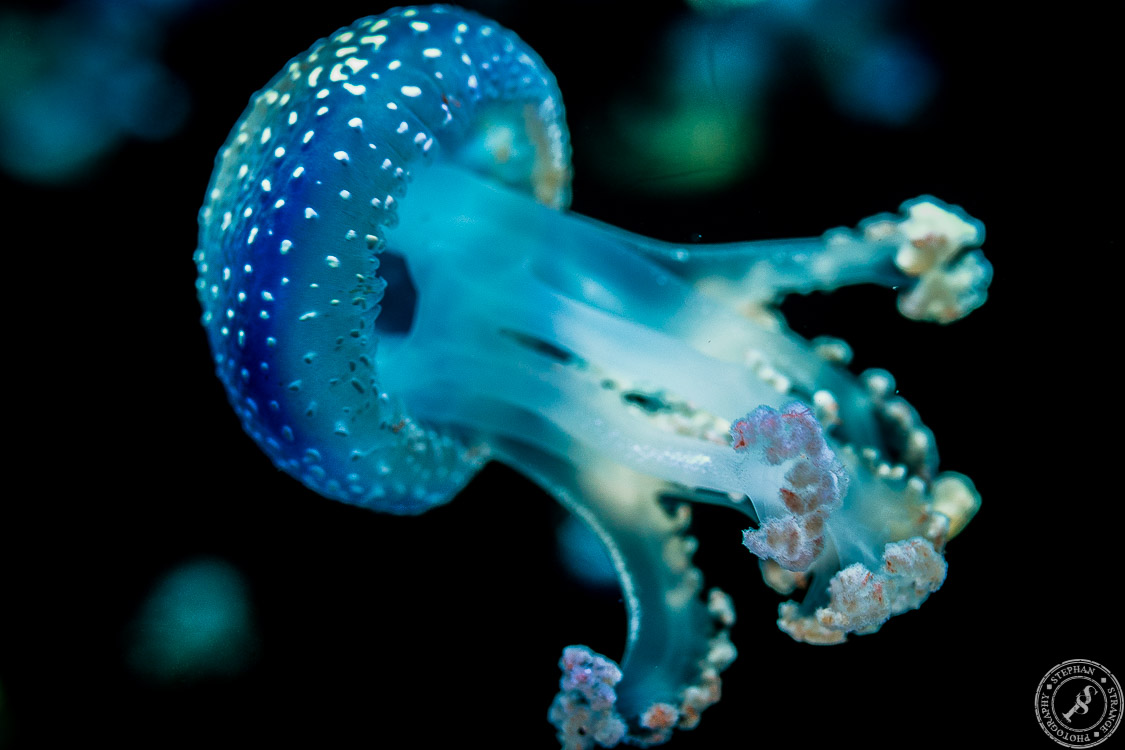
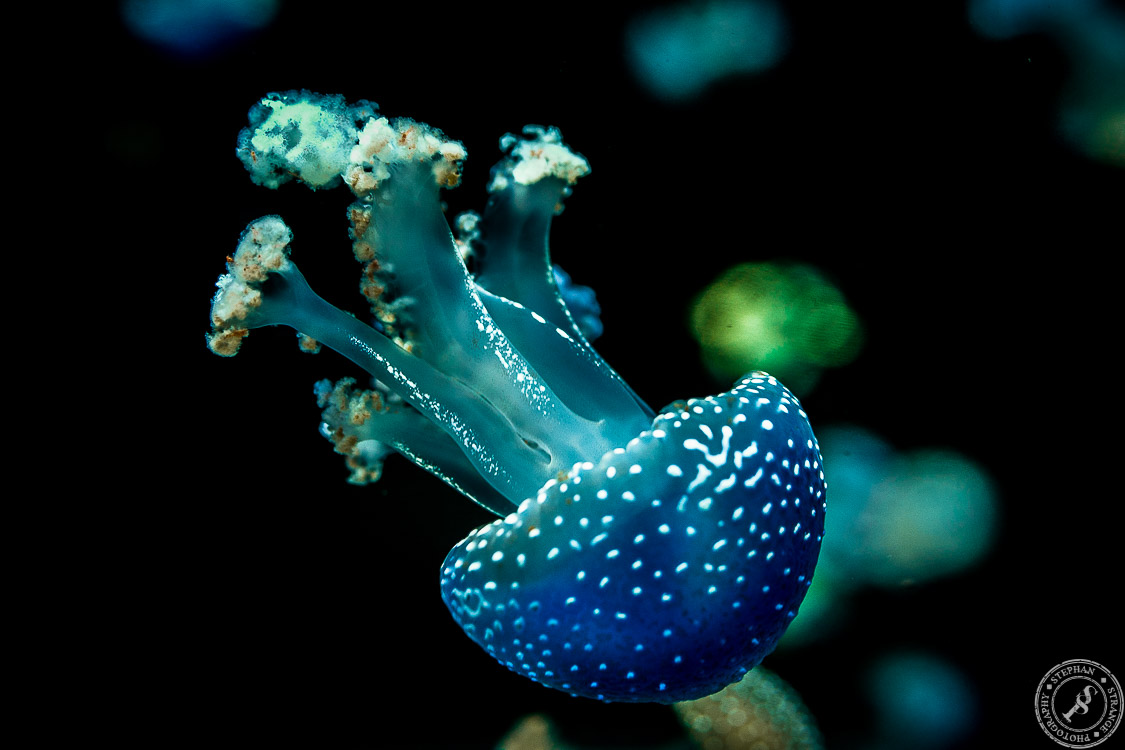
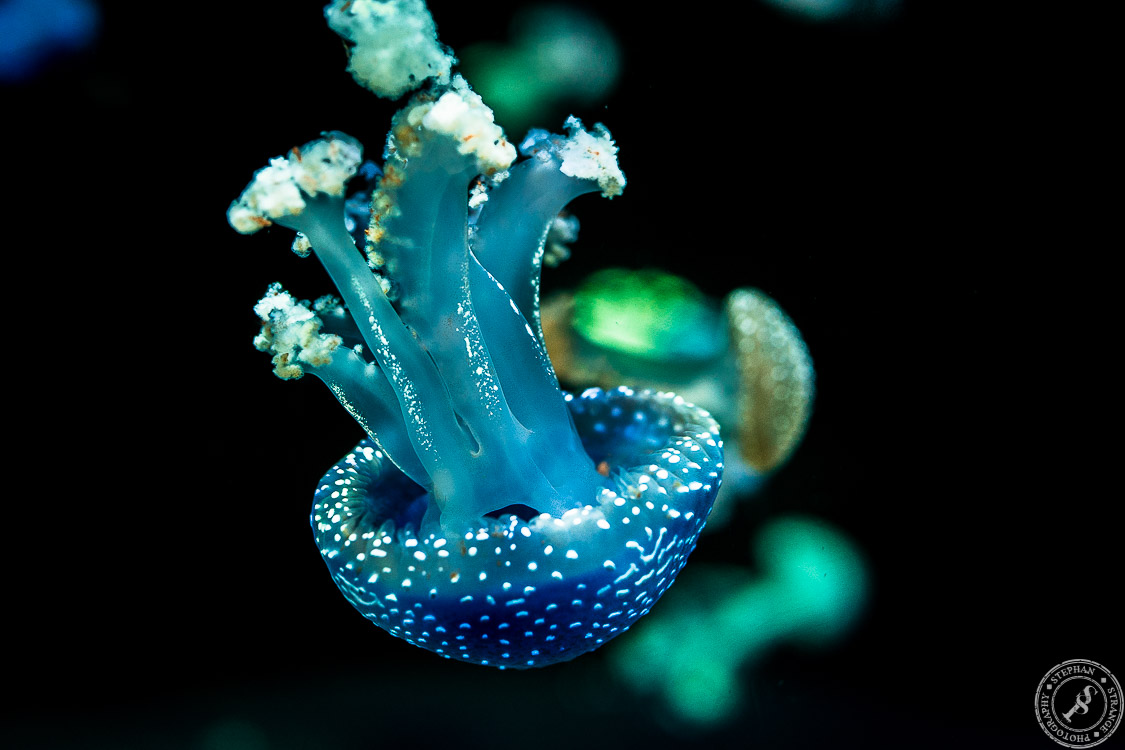
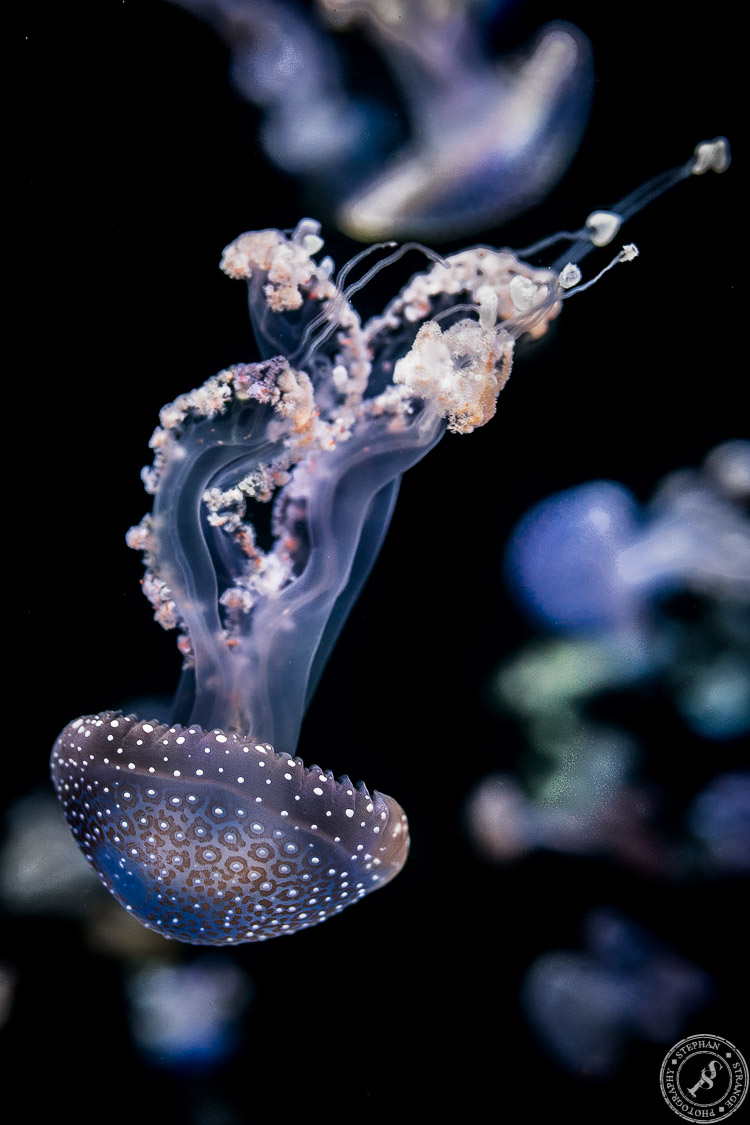
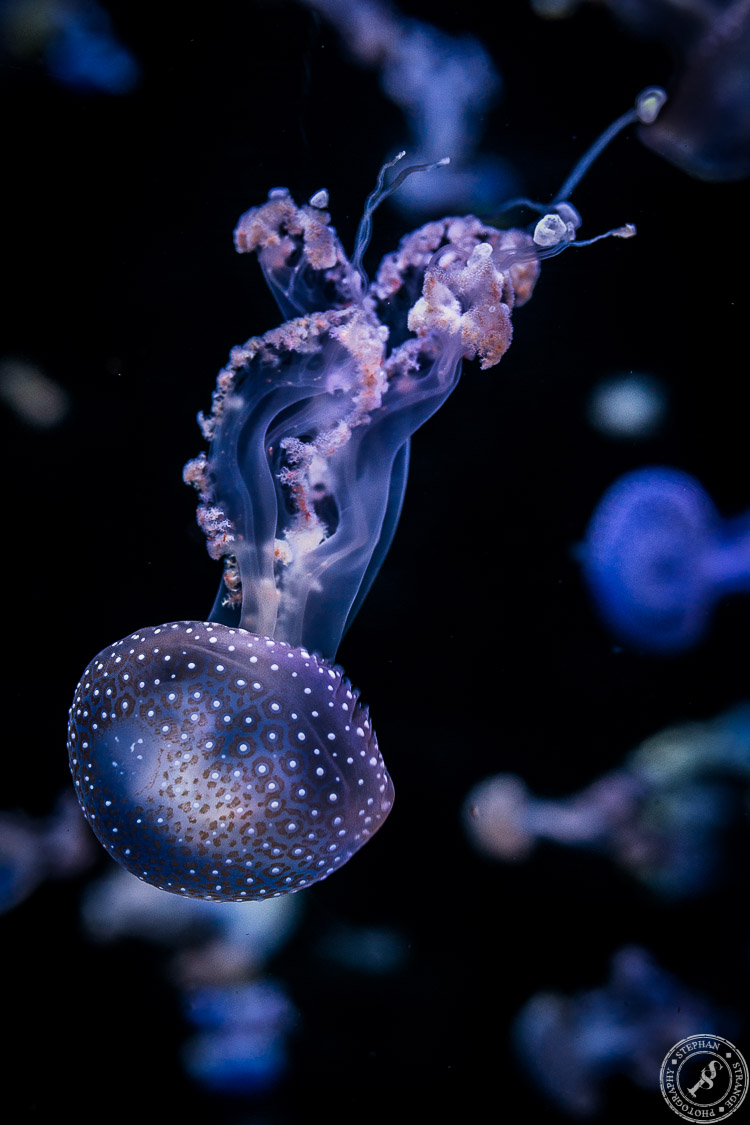
Gepunktete Wurzelmundqualle

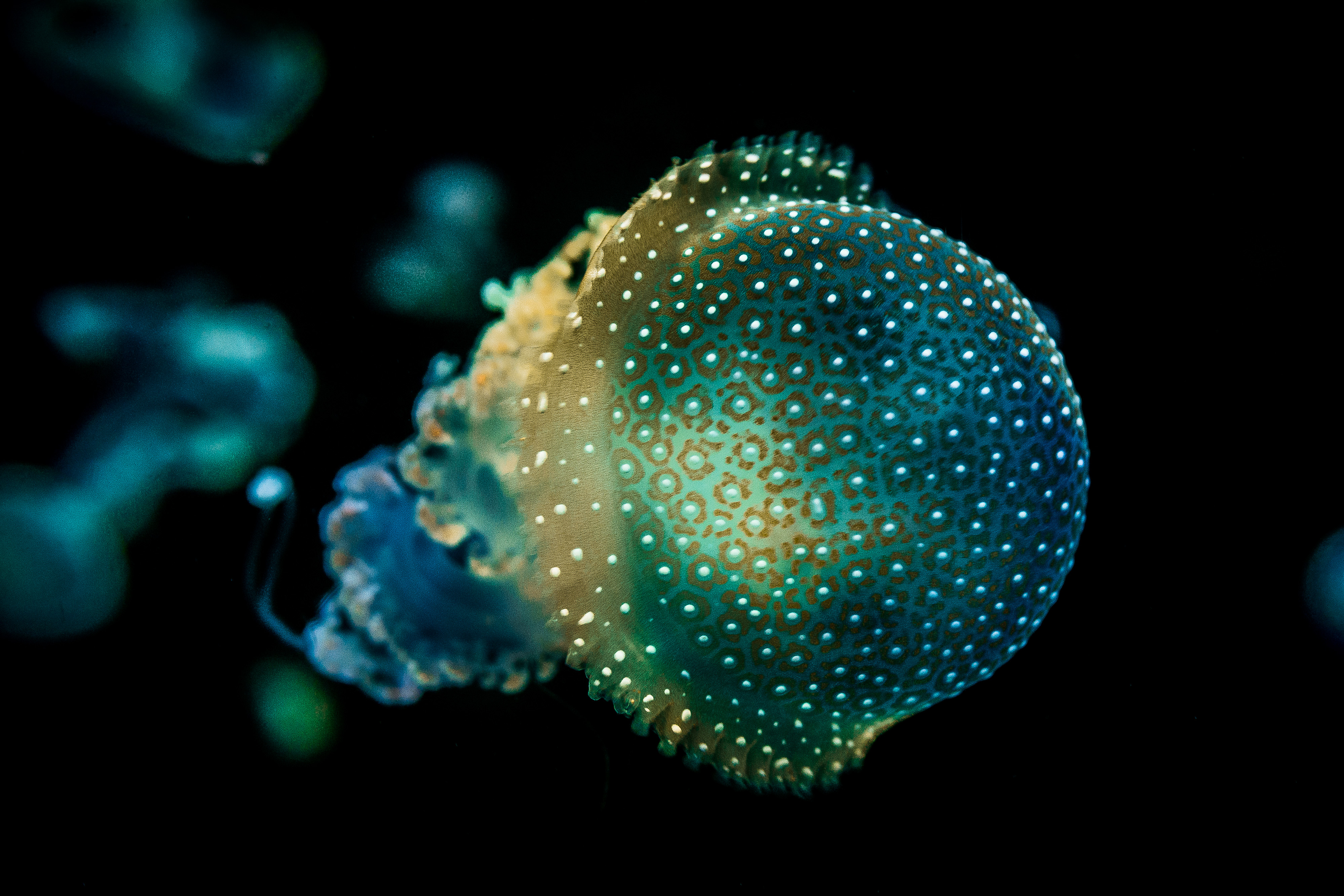
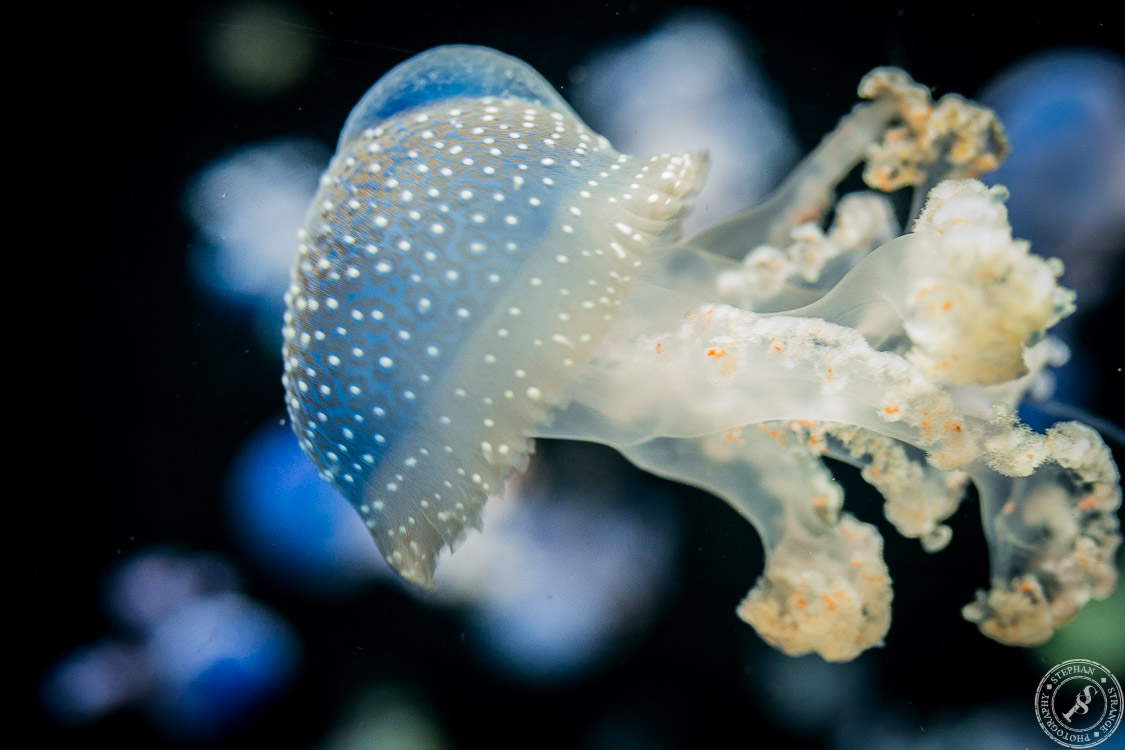
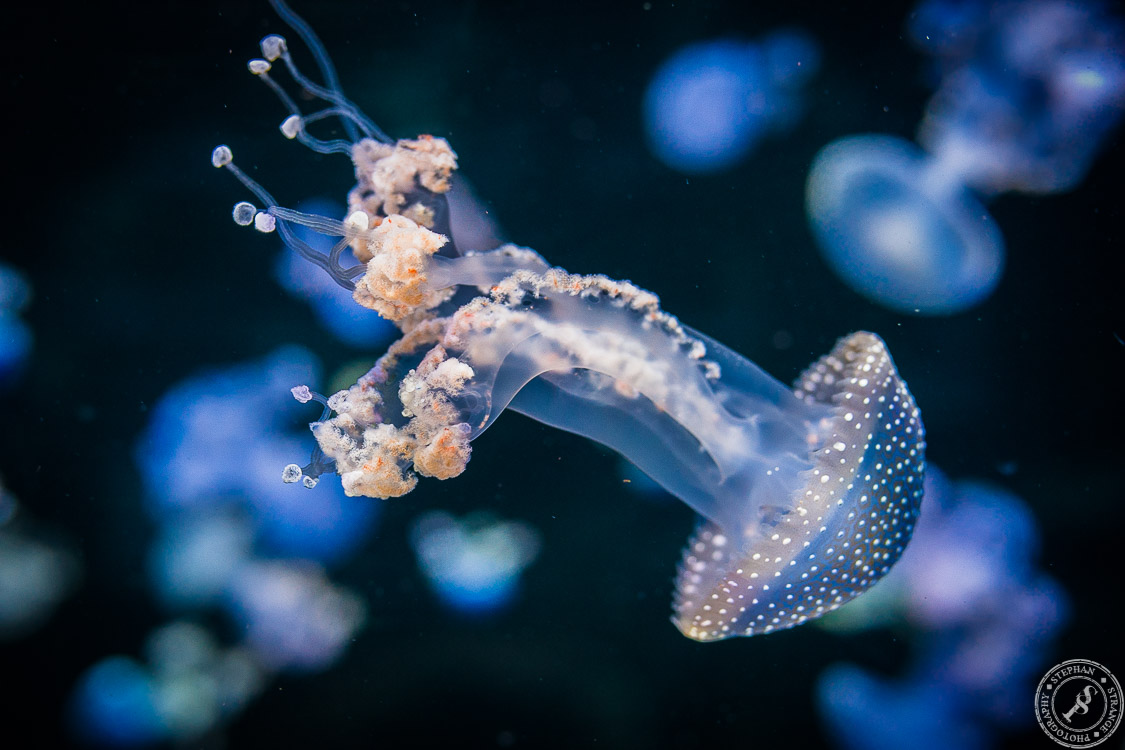
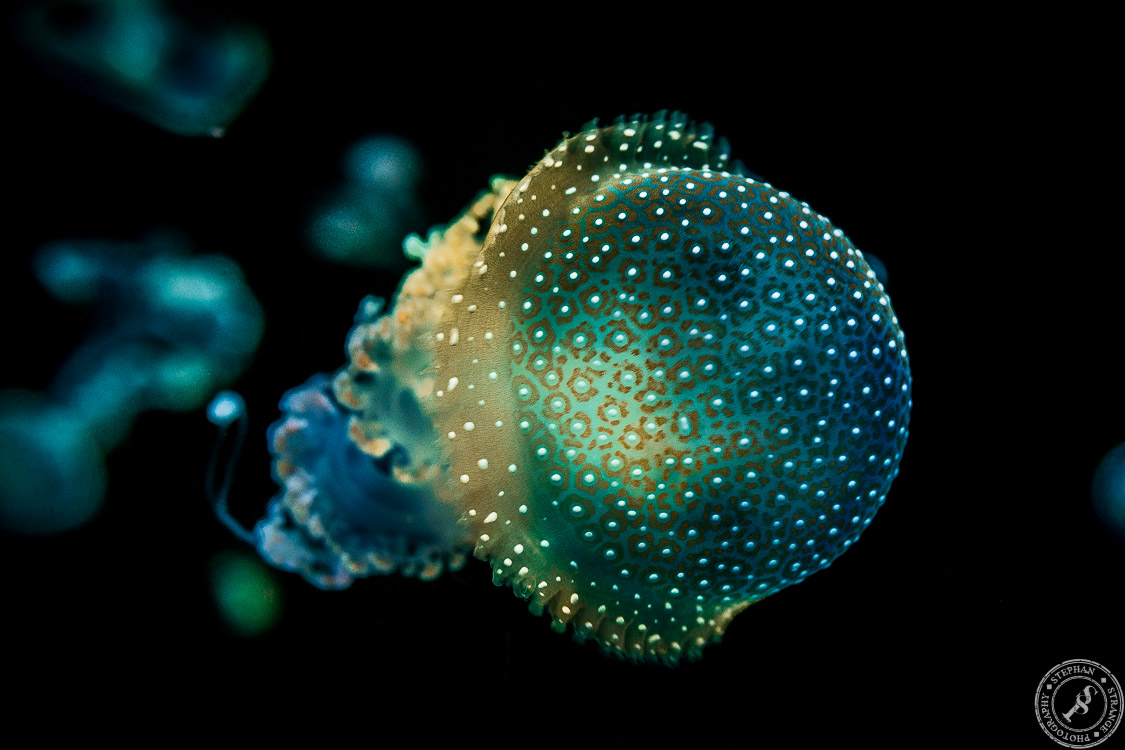
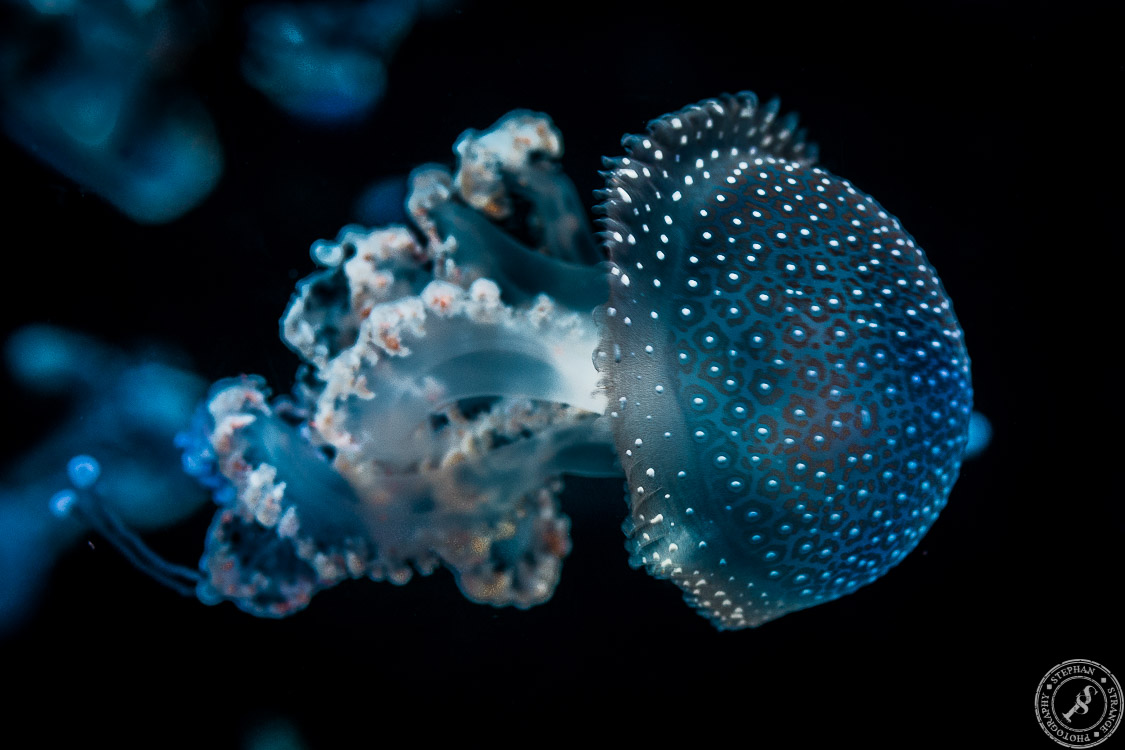
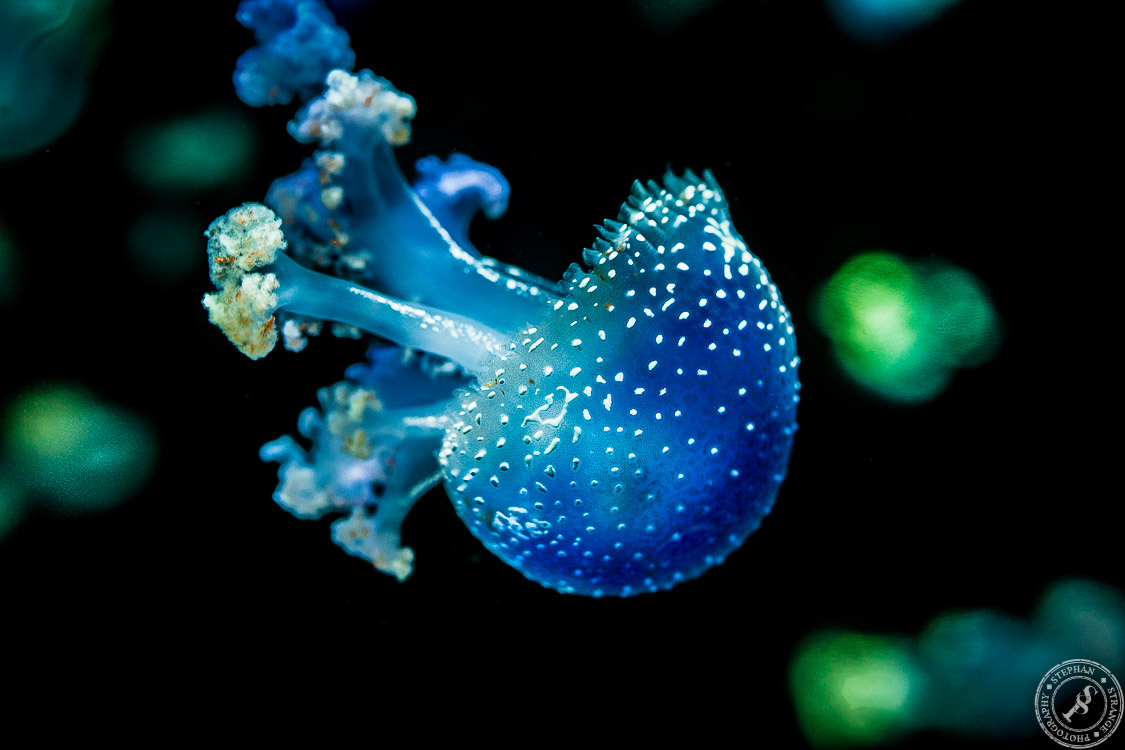
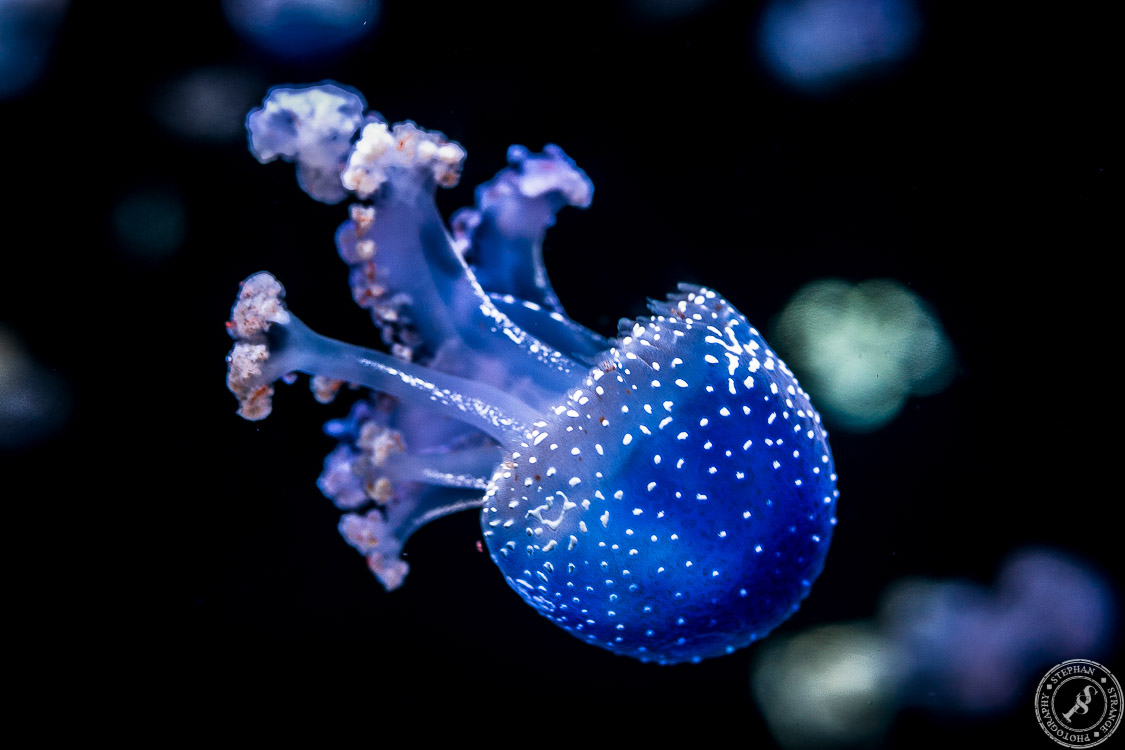
Gepunktete Wurzelmundqualle // Spottet Jelly

Ich würde mal sagen, die wenigsten Menschen mögen Quallen. Klar, als Kind rennt man an der Nordsee mit einem Kecher rum, und versucht welche zu fangen und im Sand zu vergraben. Gepunktete WurzelmundqualleAber danach? So bald man das erste mal von Feuerquallen gehört hat vergeht dann doch das Interesse. Man ist in der Regel eher froh, beim schwimmen keine zu treffen. Sonnst müsste man sich ja noch Gedanken machen, ob sie nun brennen, oder völlig harmlos sind. Und genau so ging es mir bis jetzt auch. Das eine oder andere Quallenfoto ist mir zwar unter gekommen. Ich fand meist auch auch toll, aber mein Interesse für diese Tierart, vor allem als nicht Taucher war jedoch gering. Bis ich zufällig in ein Medusarium geriet.

Ein Dunkler Raum mit großen, beleuchteten Wasserzylindern in denen die Quallen lebten. Und sich sehr langsam im Kreis bewegten, zu klassischer Musik. Und in einem dieser Zylinder war die Gepunktete Wurzelmundqualle zuhause. Sie ist sehr schön an zu schauen in ihren Bewegungen. Mit der Musik im Hintergrund hat die gepunktete Wurzelmundqualle irgendwie etwas meditatives.

Most people don`t like jellyfish. Me to.
As a child I tried to catch them at the north sea. And later, when I hered first time about the fire jellyfish.
I hoped never to met one in real life. But than, I stumpeld into a Medusarium. A huge, dark room with illuminated water tanks and some classic music in the background. The slow movement of the spottet jelly, we have got here, has something meditative. I was realy impressed.
Eine Seidenbiene bei der Arbeit - Ivy Bee

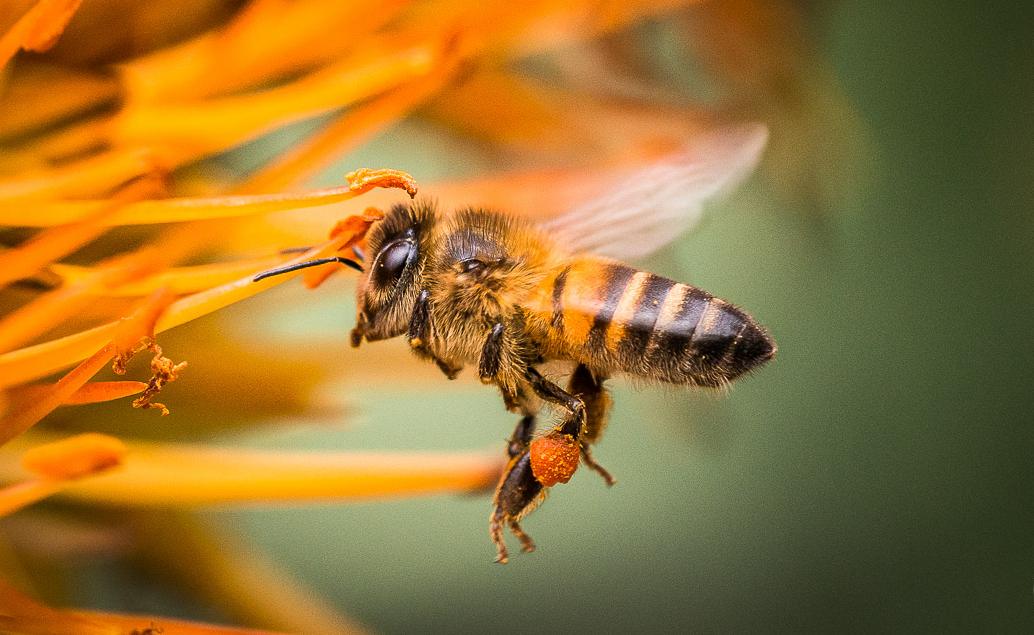
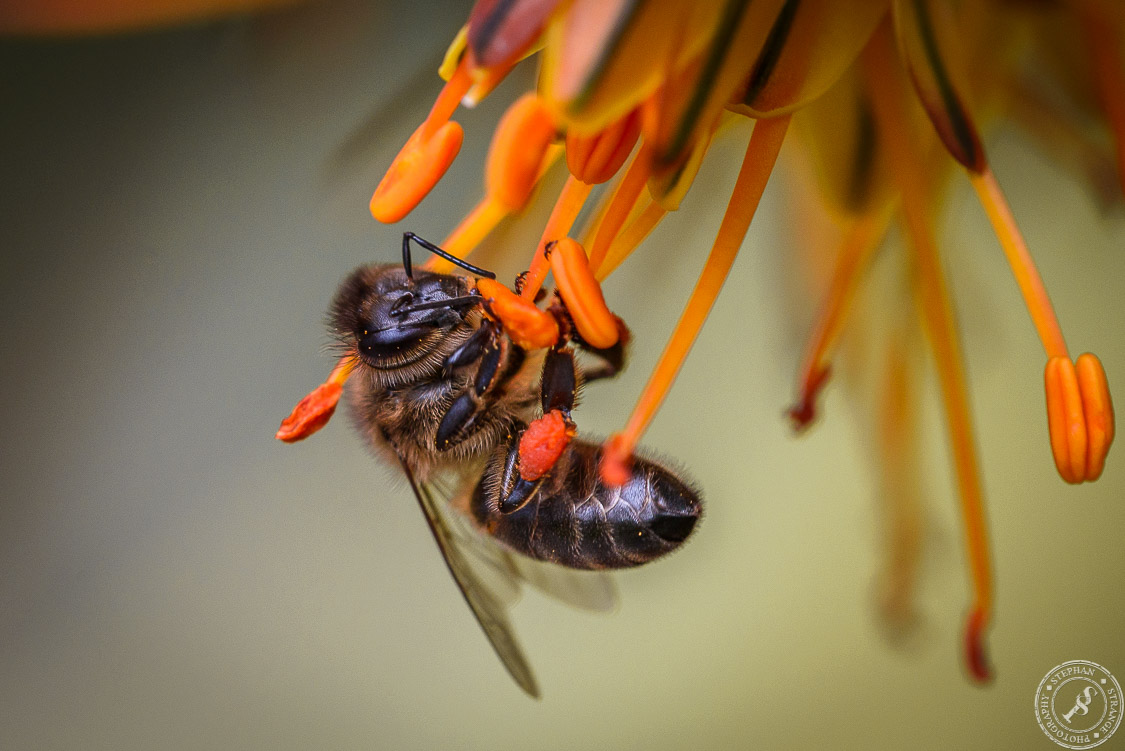
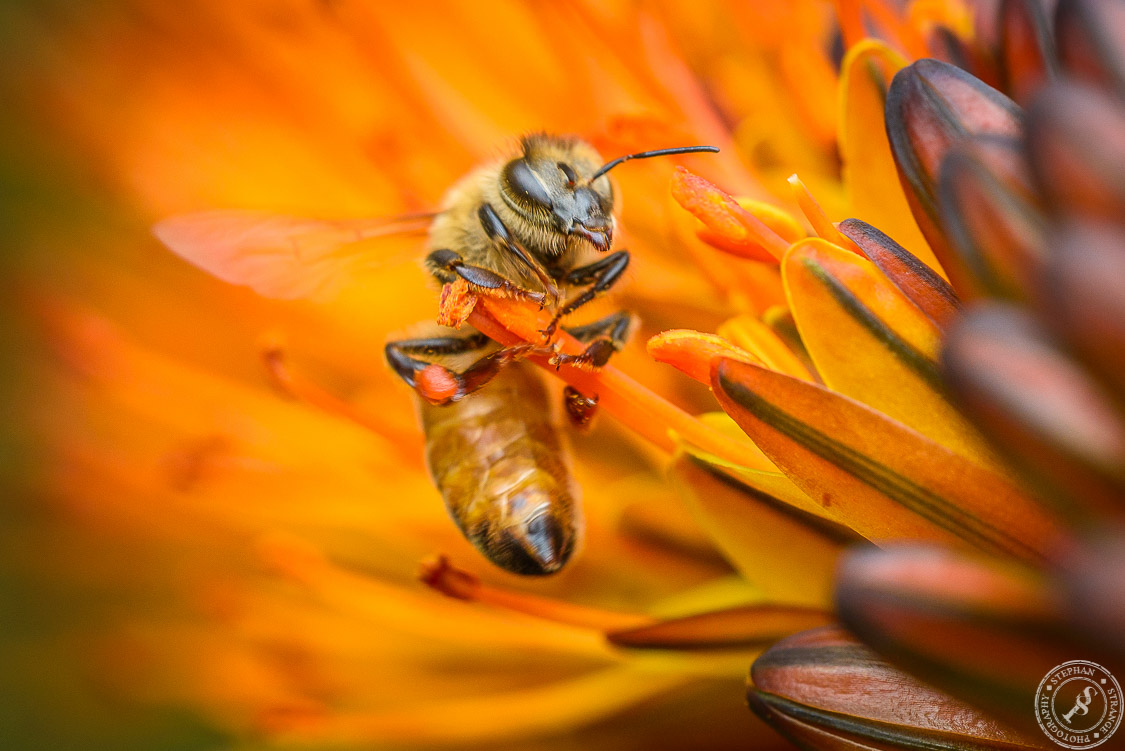
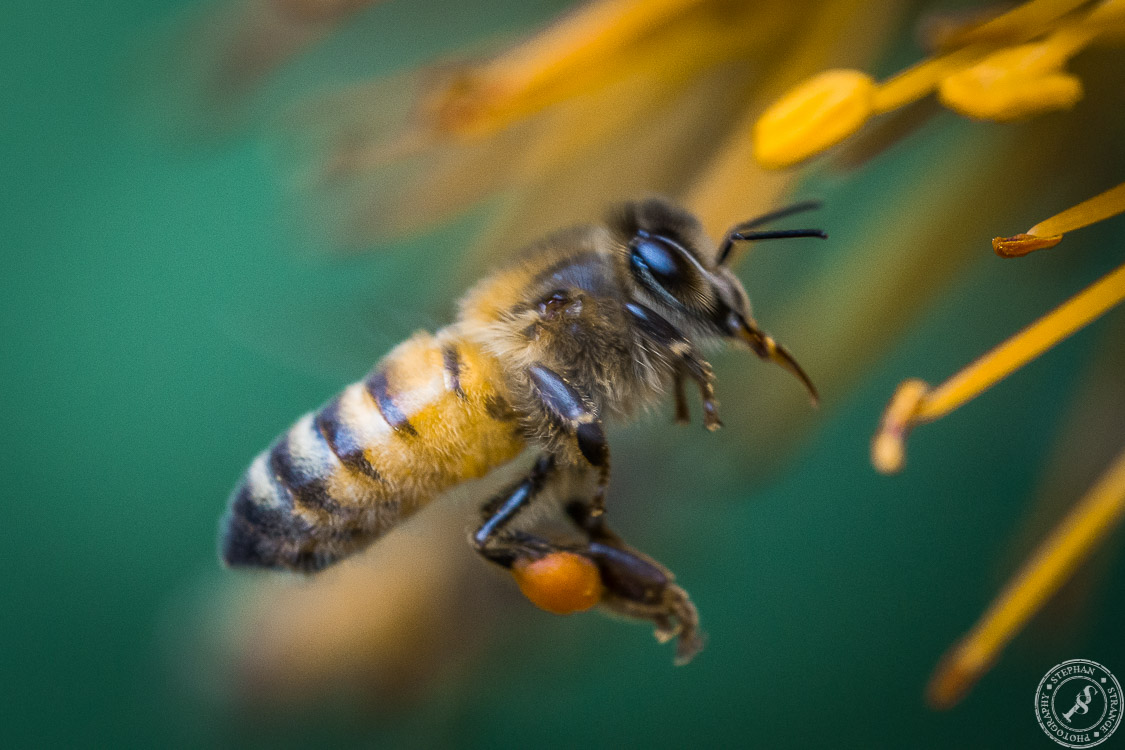
Eine Seidenbiene

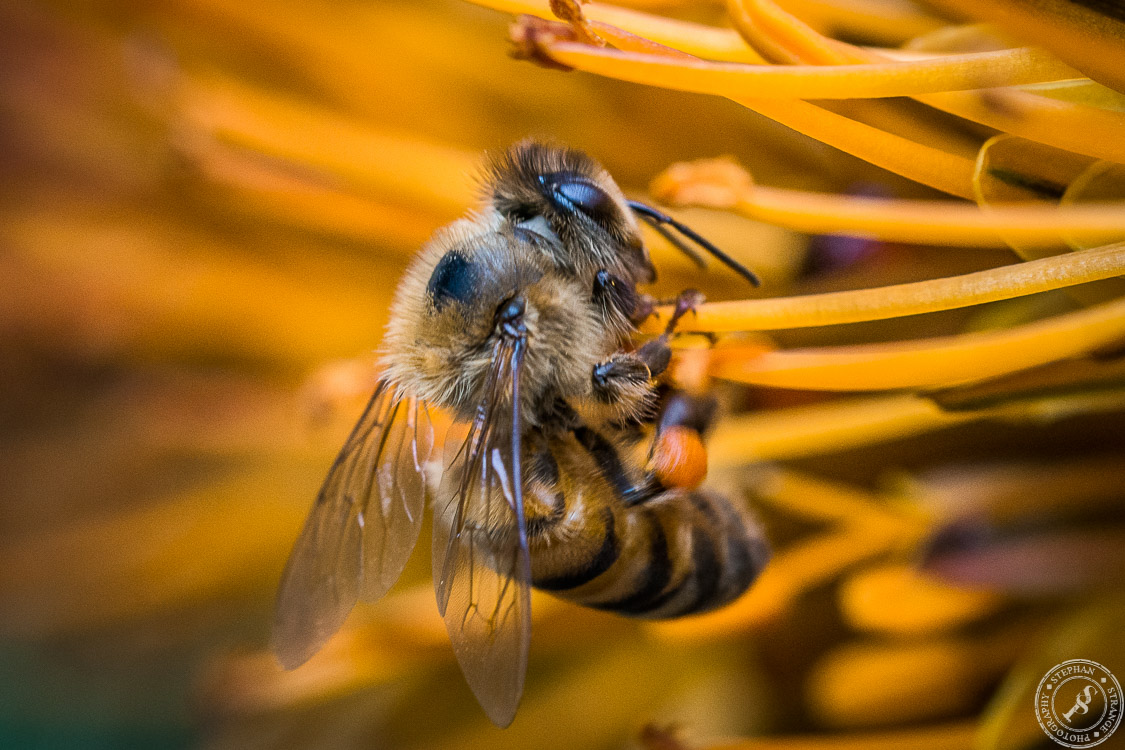
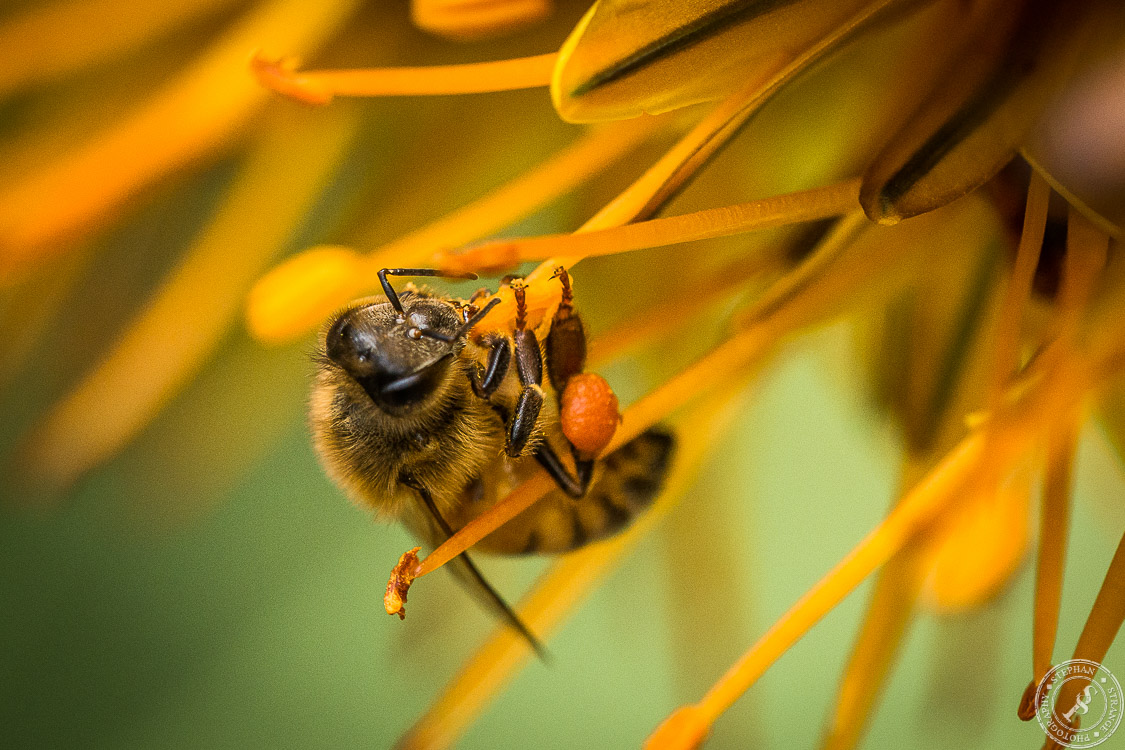
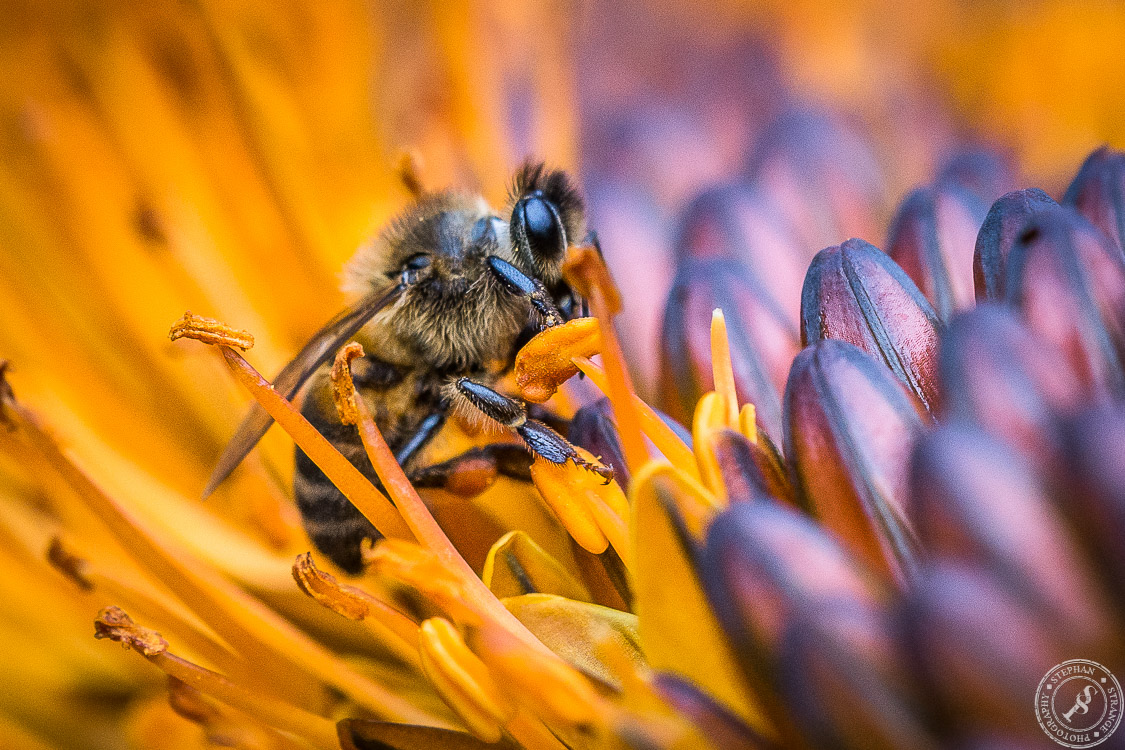
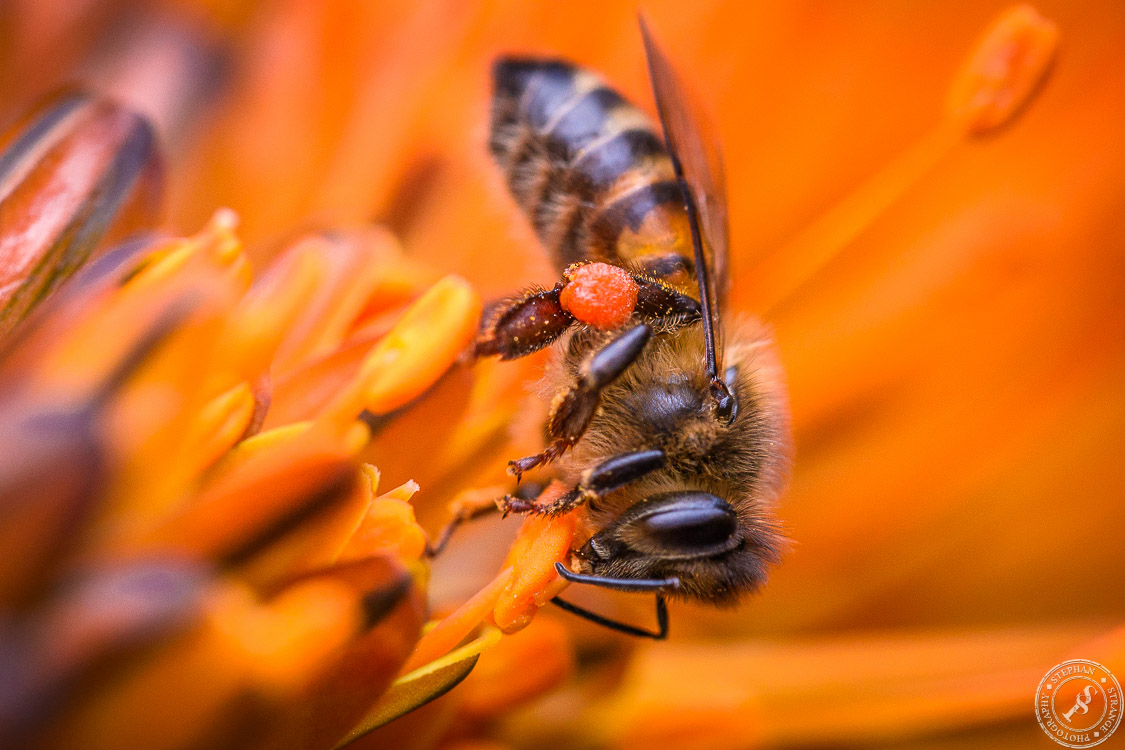
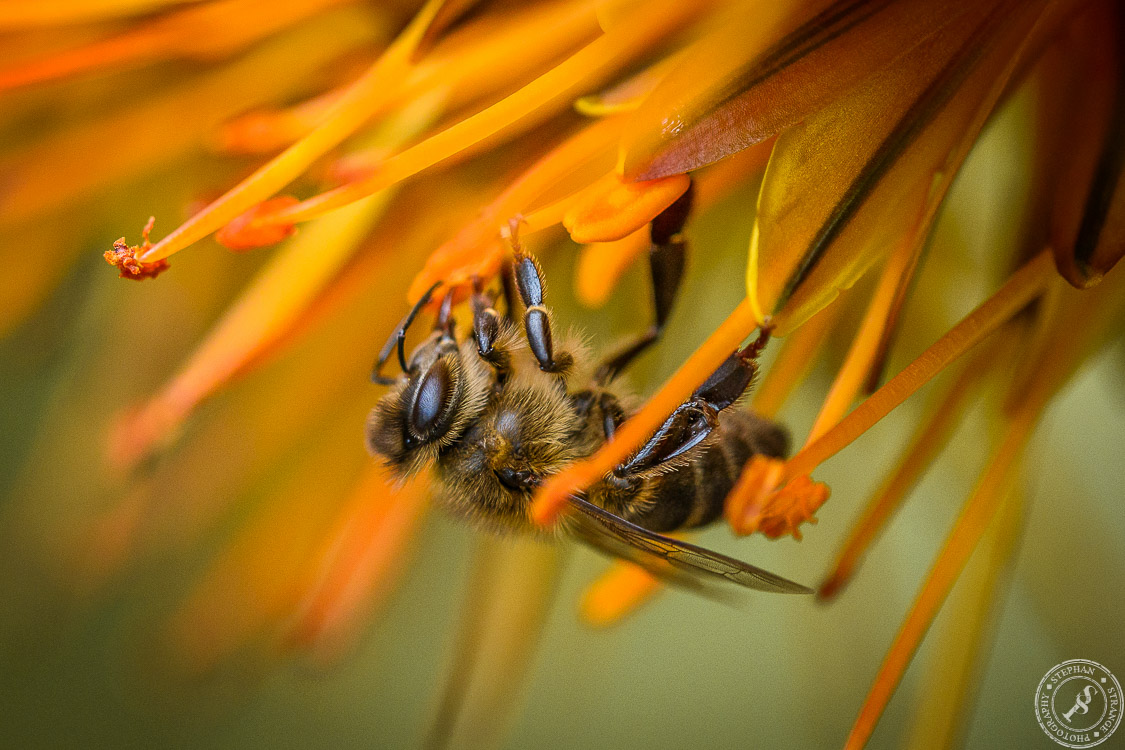
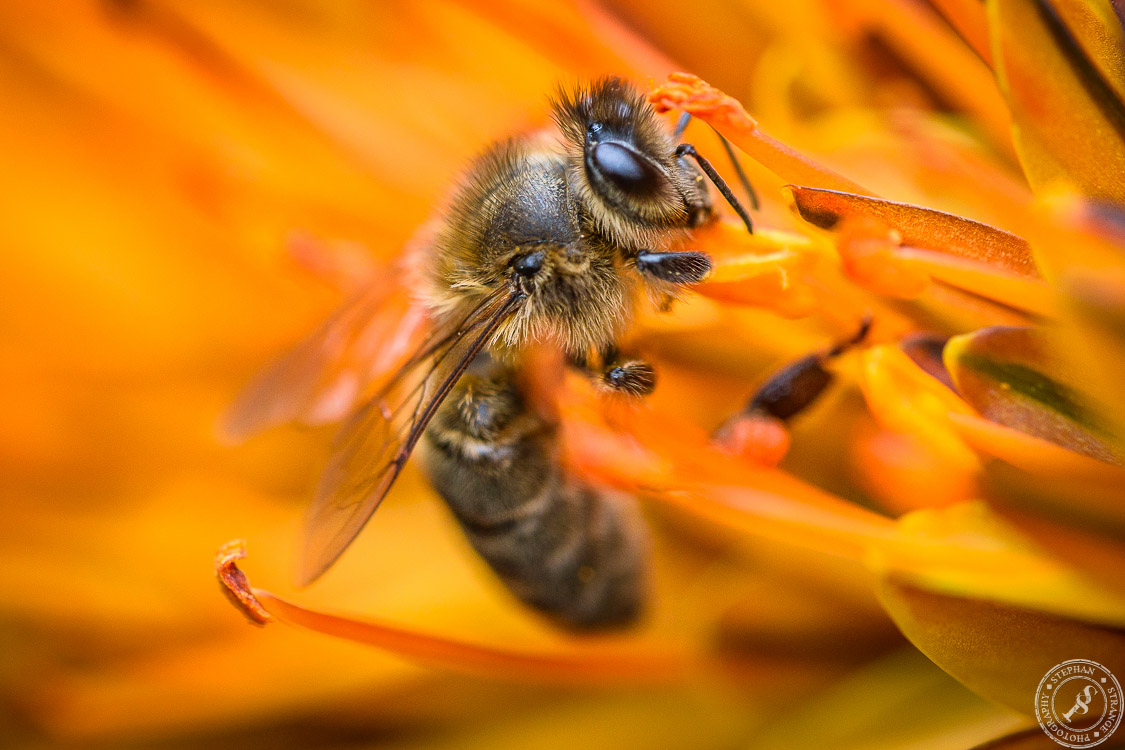
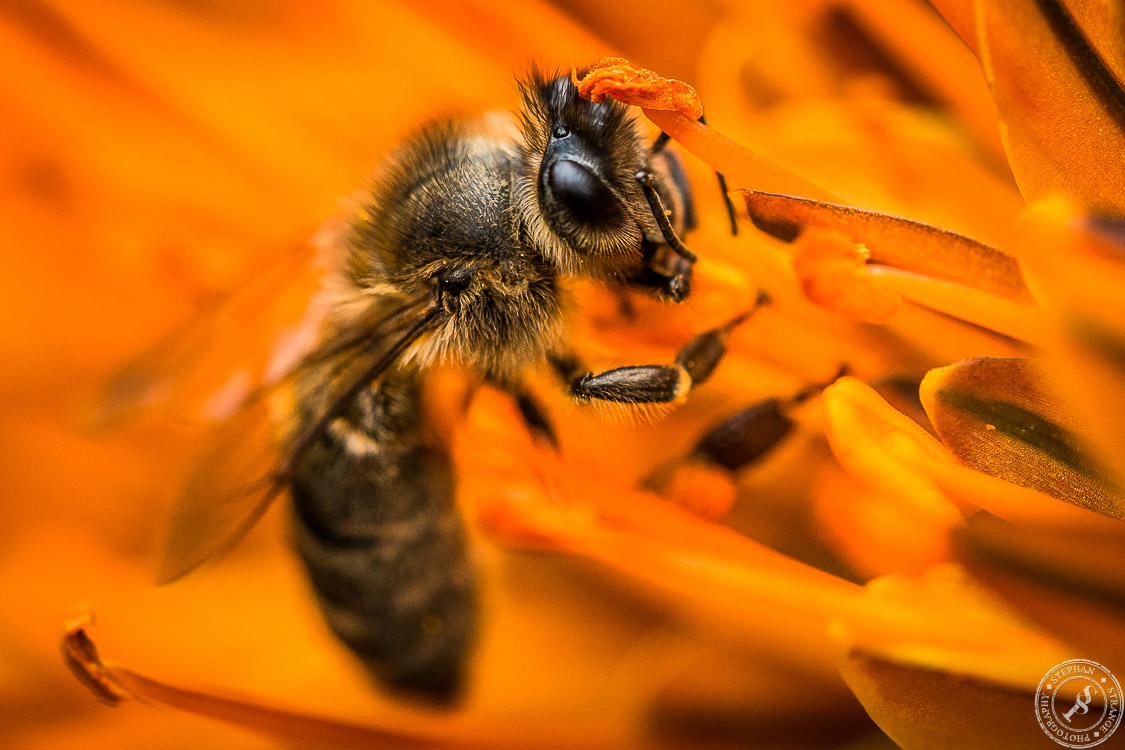
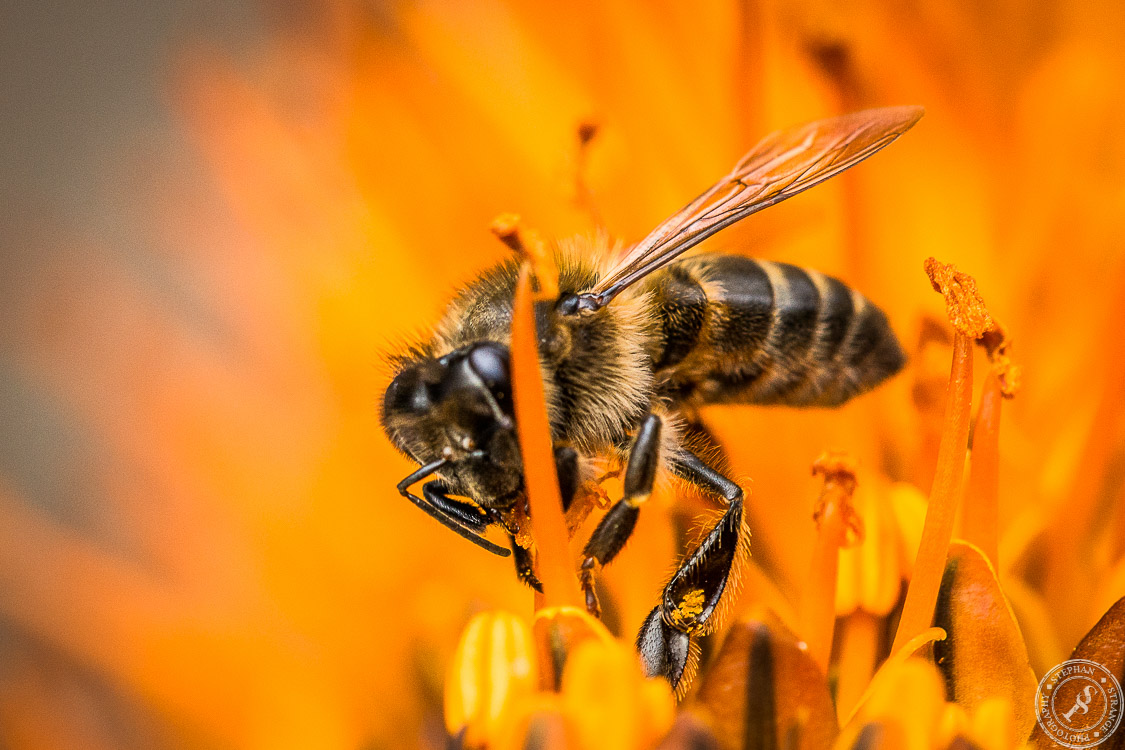
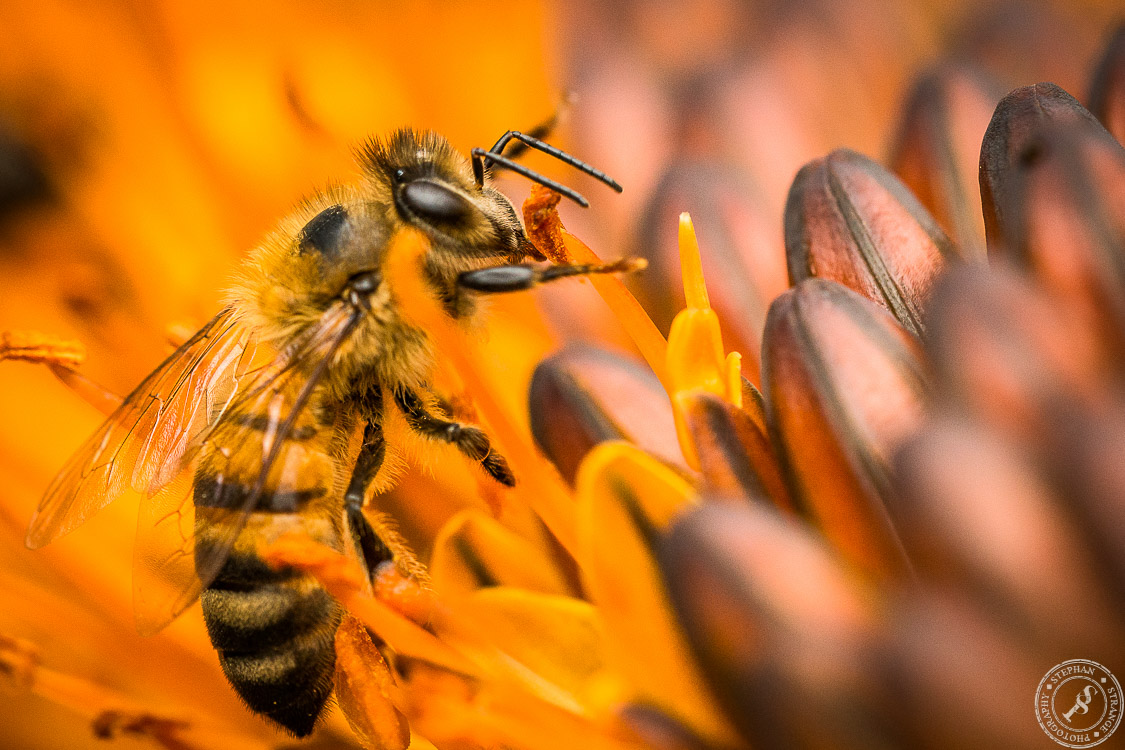
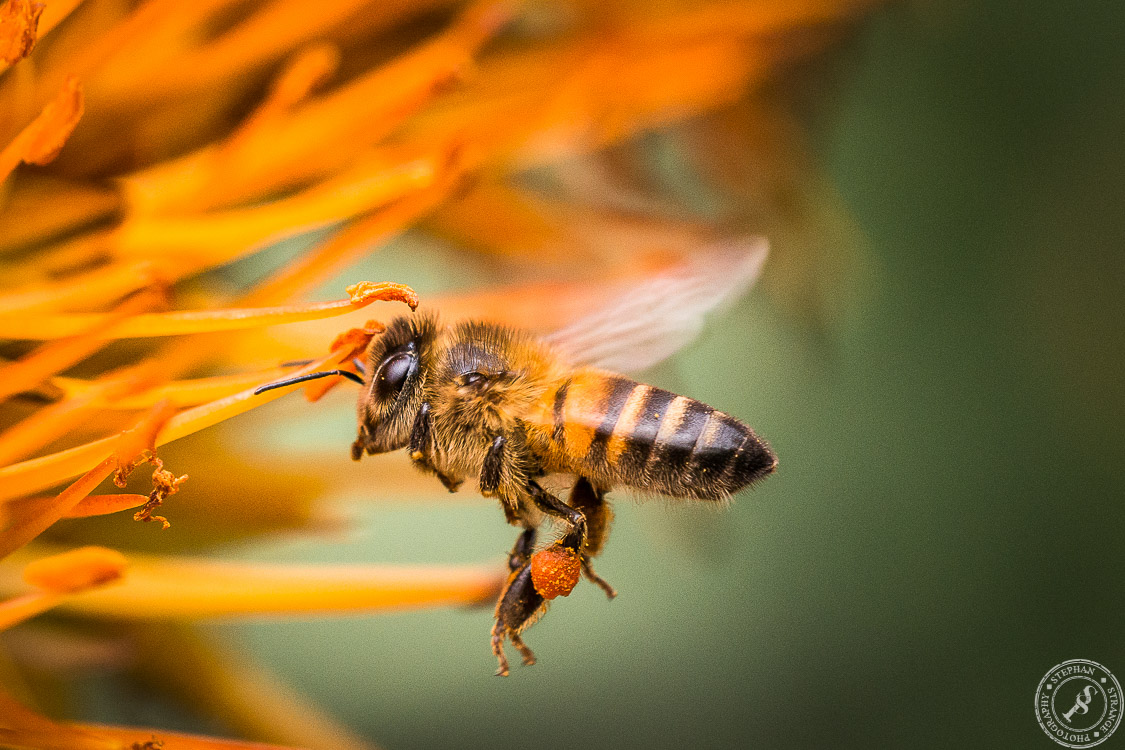
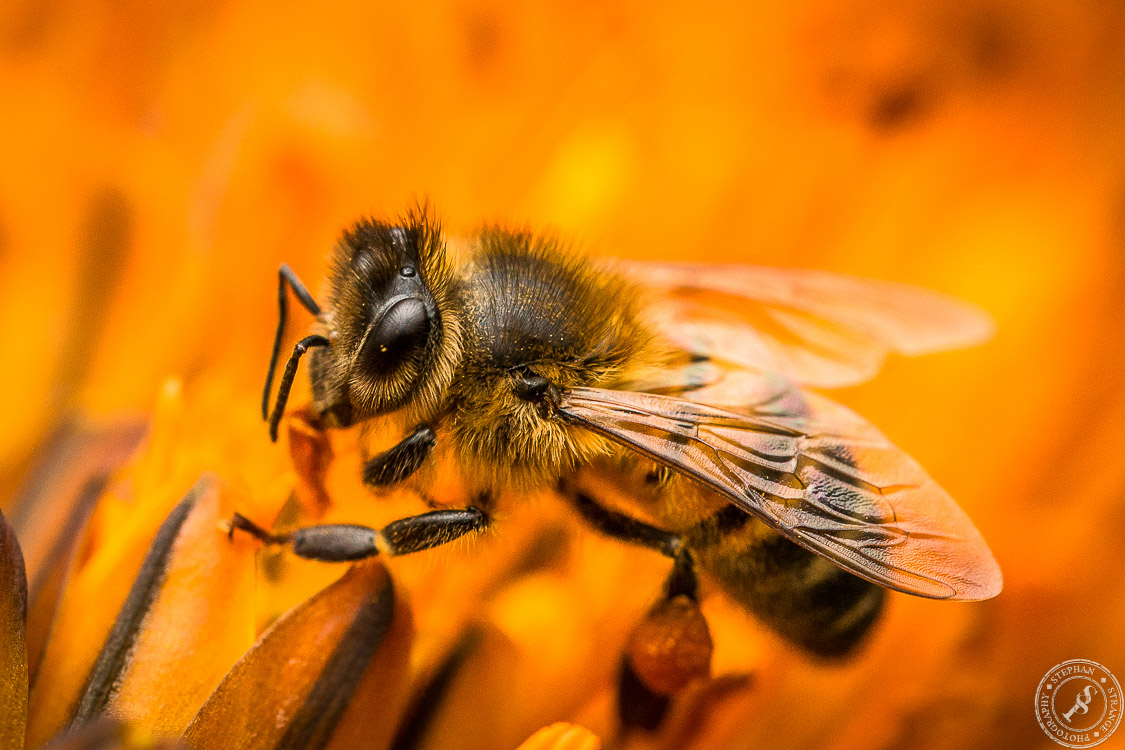
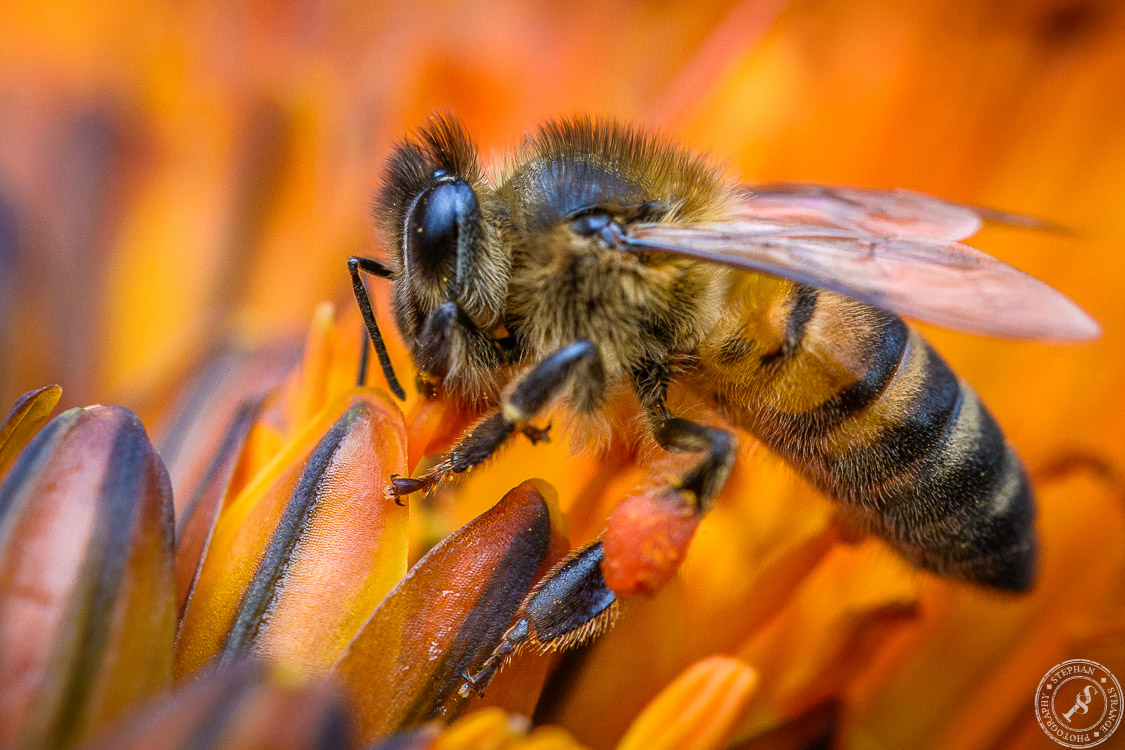
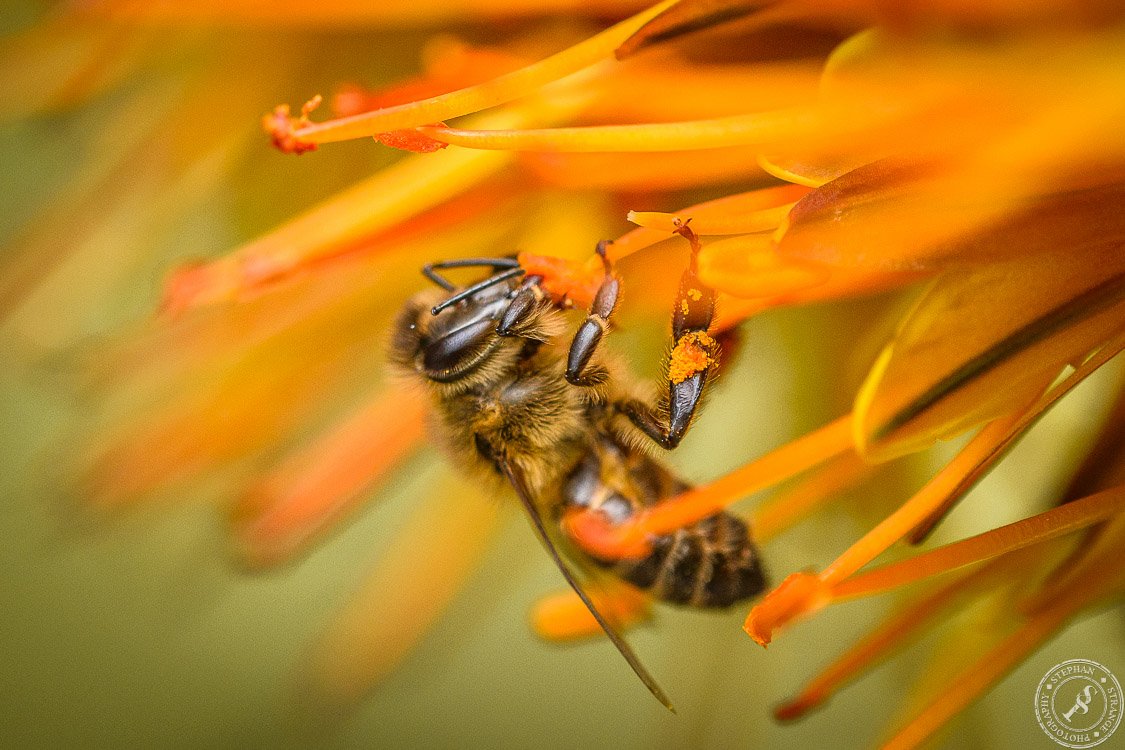
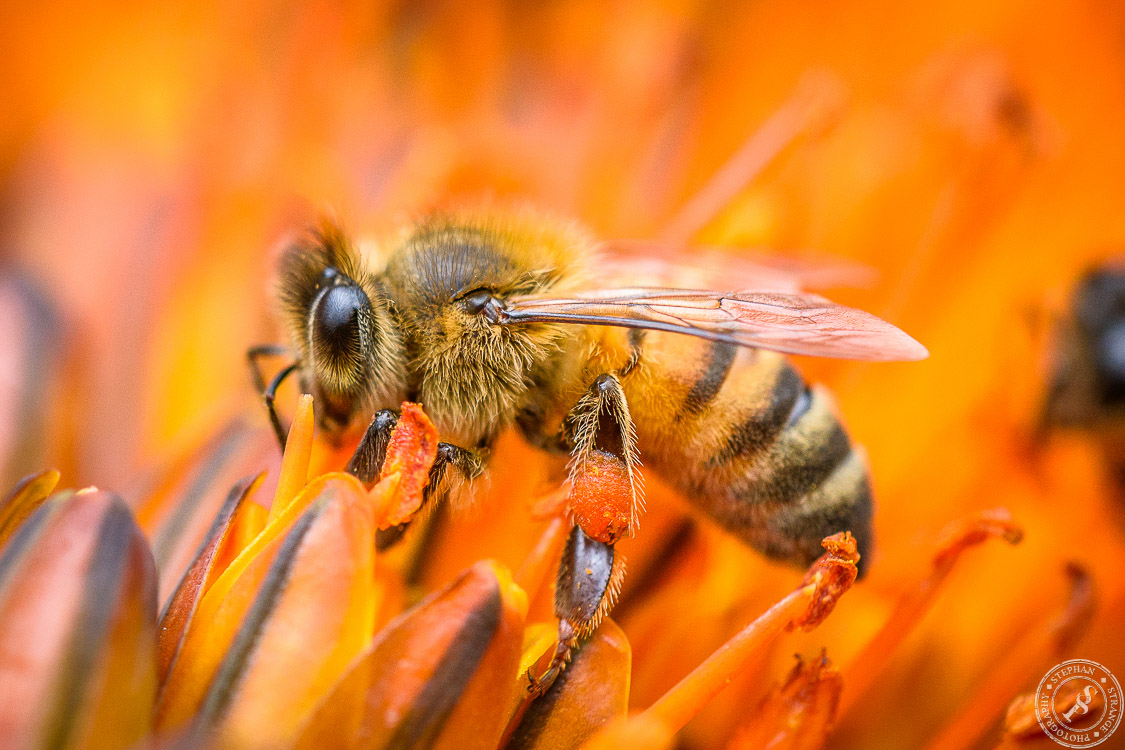
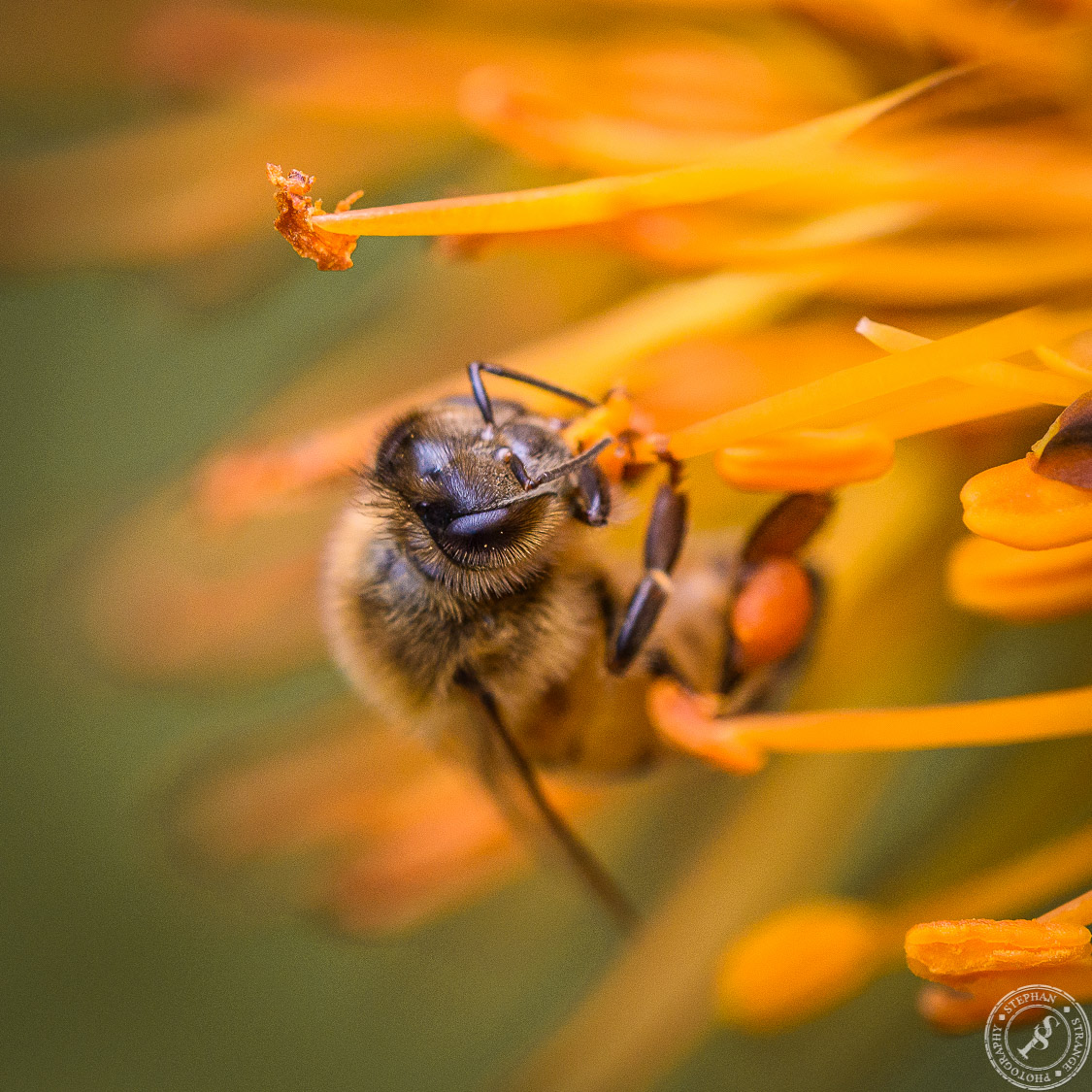
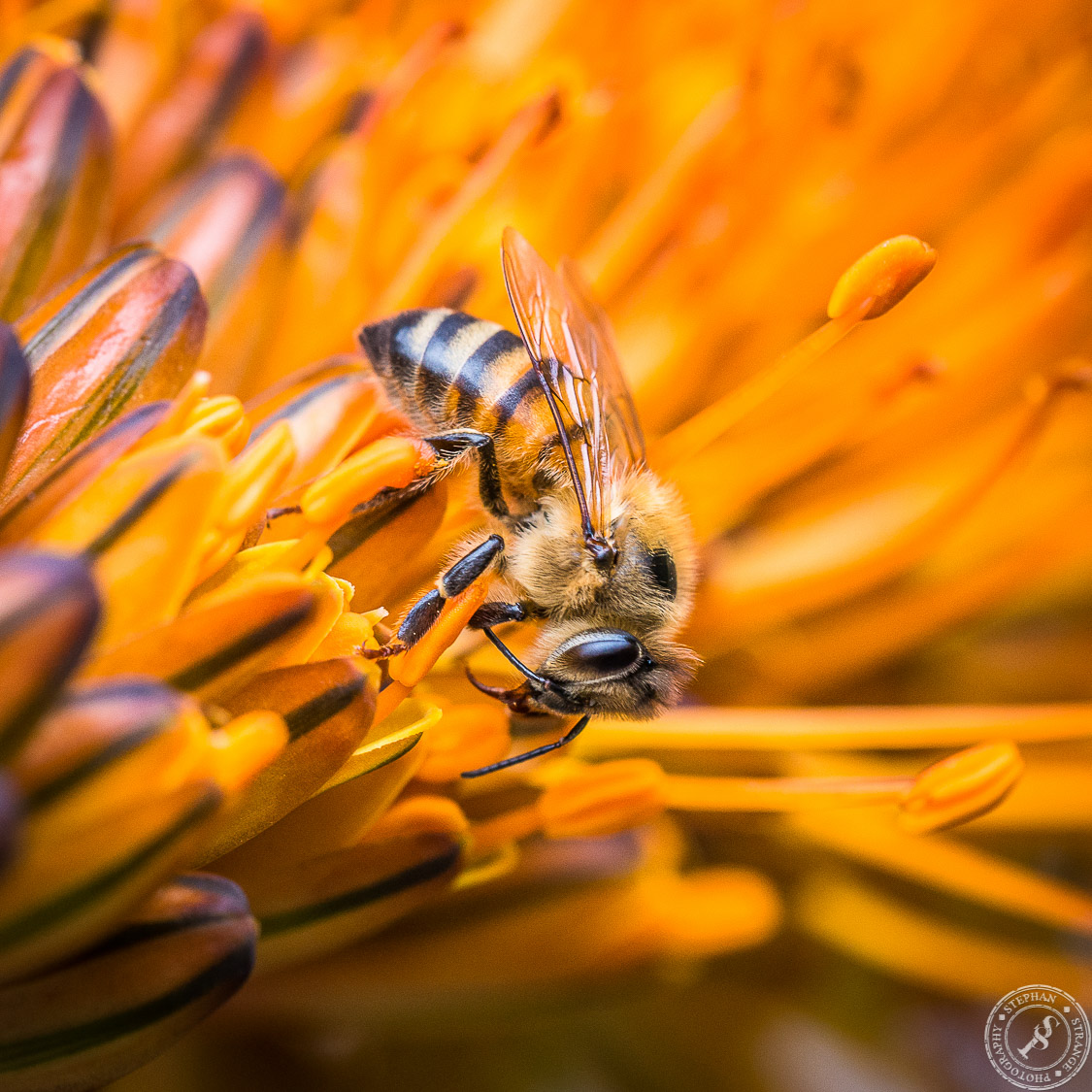
Eine Seidenbiene bei der Arbeit. Eigentlich war ich im Botanischen Garten von Purto de la Cruz (Jardín de aclimatación de La Orotava) unterwegs um ein paar Pflanzen Makros zu machen. Seidenbiene - Ivy Bee - Tenerife - bromeliaceae dyckia altissimaAber zu dem Zeitpunkt blühte dort eine riesige Dyckia (bromeliaceae dyckia altissima) und war wohl der Anziehungspunkt für alle Bienen in der Umgebung. Jedenfalls summte und schwirrte es dort wie wild. Und die Bienen waren so sehr abgelenkt von den Blüten, das sie keine Angst vor meiner Kamera hatten. Das einzige was sie waren, war schnell. Sehr schnell. Es gab also eine Menge an Ausschuss bei den Bildern. Ich glaube ich habe fast 2 Stunden vor der Pflanze verbracht und rum probiert. Aber am Ende sind ein paar sehr schöne Bienen Makros bei raus gekommen. Hätte vorher selbst nicht gedacht das es so viel Spaß macht.

Der Eintritt in den Park ist recht günstig, glaube 3€ oder so,  und man kann dort ungestört fotografieren. Auch an meiner „großen“ Ausrüstung hat sich niemand gestört. Ich war mit einem Einbein Stativ und einem 150er Makro dort unterwegs. Seiden Biene - Efeu-Seidenbine Teneriffa Puerto de la CruzWar eigentlich eher das gegenteil. Ich habe recht viel Aufmerksamkeit auf die Bienen und die Pflanze gelenkt und es sind immer mehr Besucher zum fotografieren dort hin gekommen. Falls es sich hierbei nicht um eine Seidenbiene (Colletes hederae) handel sollte, gebt mir bitte bescheid. Ich kenne mich nicht wirklich mit Bienen aus, und habe versucht sie über das Internet zu bestimmen.

This is a Ivy Bee I guess. If not, please feel free to correct me. I am not an expert with bees. All pictures are taken at the botanic garden in Purto de la Cuz with a Monopod and a 150er macro lens. There was a huge blooming dyckia in the middle of the garden, and all the bees seemed to be crazy about that. The bees don`t cared about me, because there was a lot of bee traffic at the flower.

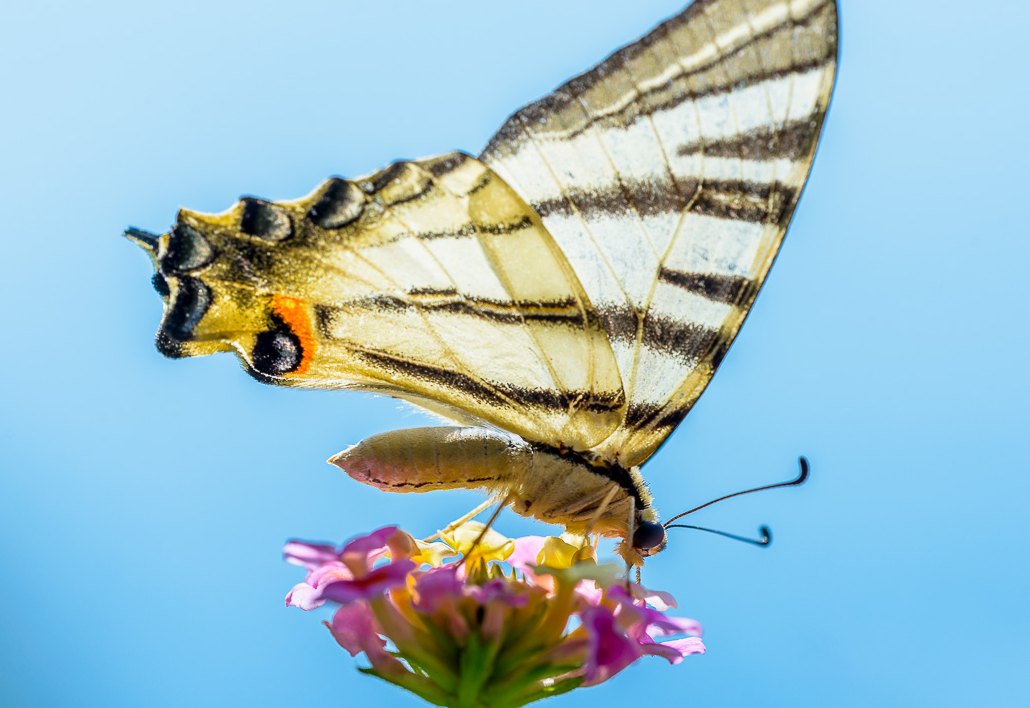
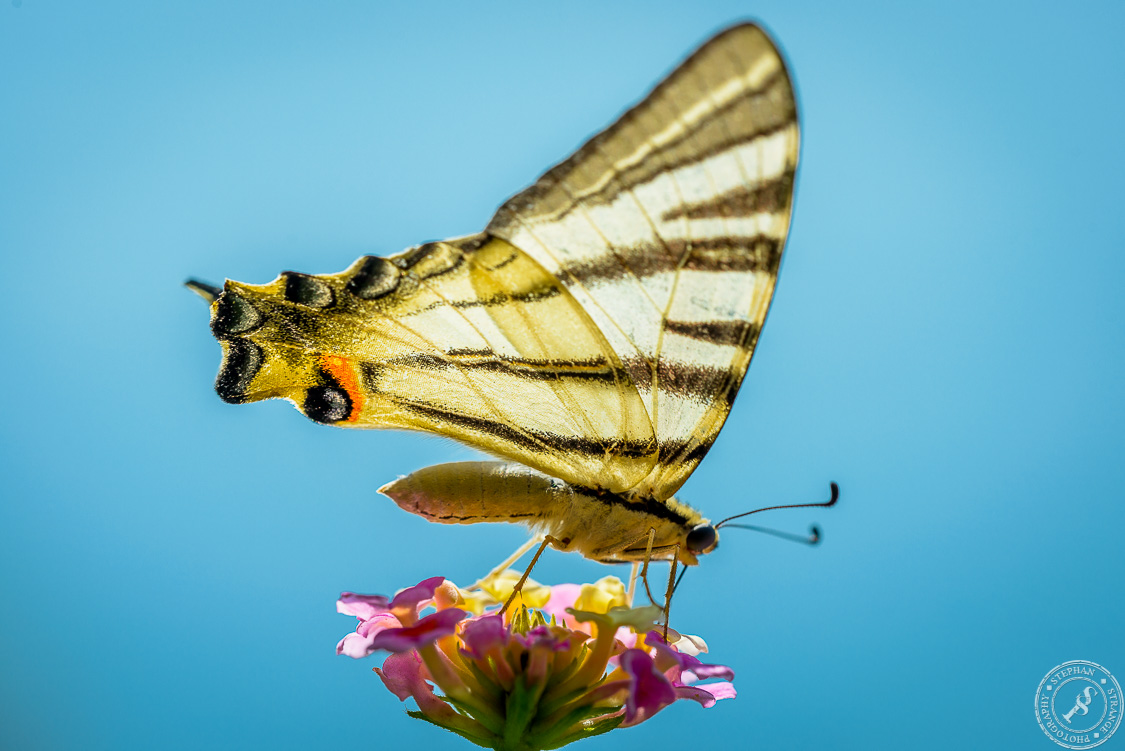
Ein Segelfalter // A scarce swallowtail

Ein Segelfalter

Dies ist also ein Segelfalter, wie mir google gerade verraten hat. Im lateinischen wohl Iphiclides podalirius genannt. Nicht das ich wirklich Ahnung von Schmetterlingen oder Latein hätte. Aber ich kann durchaus die google Bildersuche benutzen. Segelfalter Iphiclides podaliriusUnd zu meinem erstaunen hat sie wirklich funktioniert. Zu vor hatte ich es nur mit Vogelarten versucht, und eher mäßige Erfolge erzielt. Die Trefferquote lag bei ca 25-30%. Und google hat mir dann ganz stolz berichtet das auf meinem Bild ein Vogel zu sehen ist. Auch was 🙂 Aber bei dem Schmetterling hier hat es sofort funktioniert. Bild rein und ganz viele verweise zu Segelfalter (Iphiclides podalirius) bekommen. Genau so hatte ich mir das auch vor gestellt mit dem ähnliche Bilder finden. Nun ja. Vielleicht sind meine Erwartungen an google auch etwas zu hoch. Aber wenn Sie schon wissen was ich zum frühstück esse, oder welche Comics ich lese, sollten Sie sich auch mit Schmetterlingen aus kennen.

Interesting. So this is a scarce swallowtail or named Iphiclides podalirius in latin. I had to admid I am not realy an expert with butterflies or know latin. Segelfalter SchmetterlingI just know the butterflies name because google has found it for me. This time, the find similar pictures or seach pictures function has worked great for me. I have tried this only with bird pictures before und receaved mostly bad results. Google just told me there is a bird on my bird picture. Oh, nice to know, its a bird on the bird picture. But this time, the seach for the butterflies name has worked great. Google told me it is a scarce swallowtail, and I am fine with that.


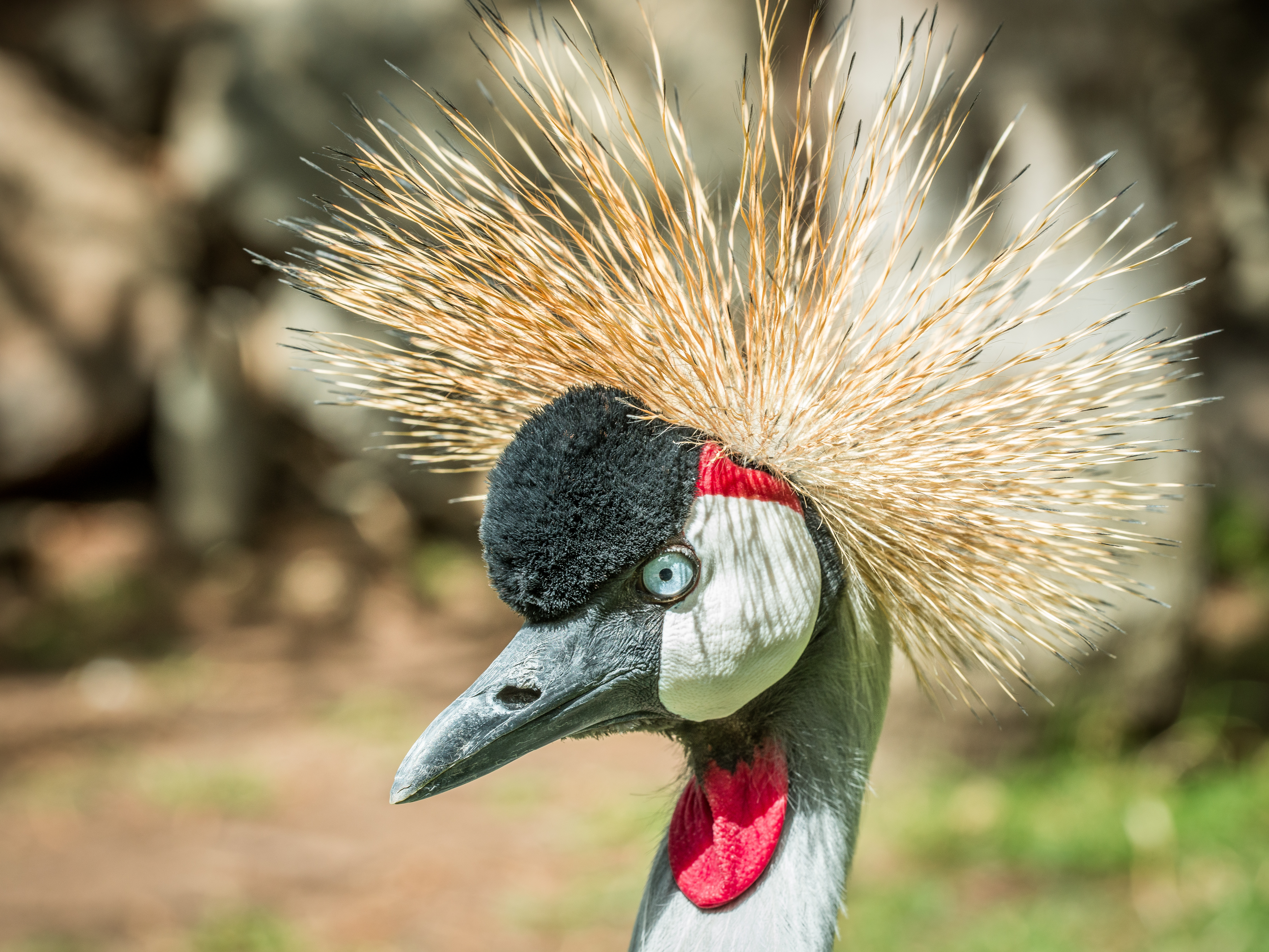
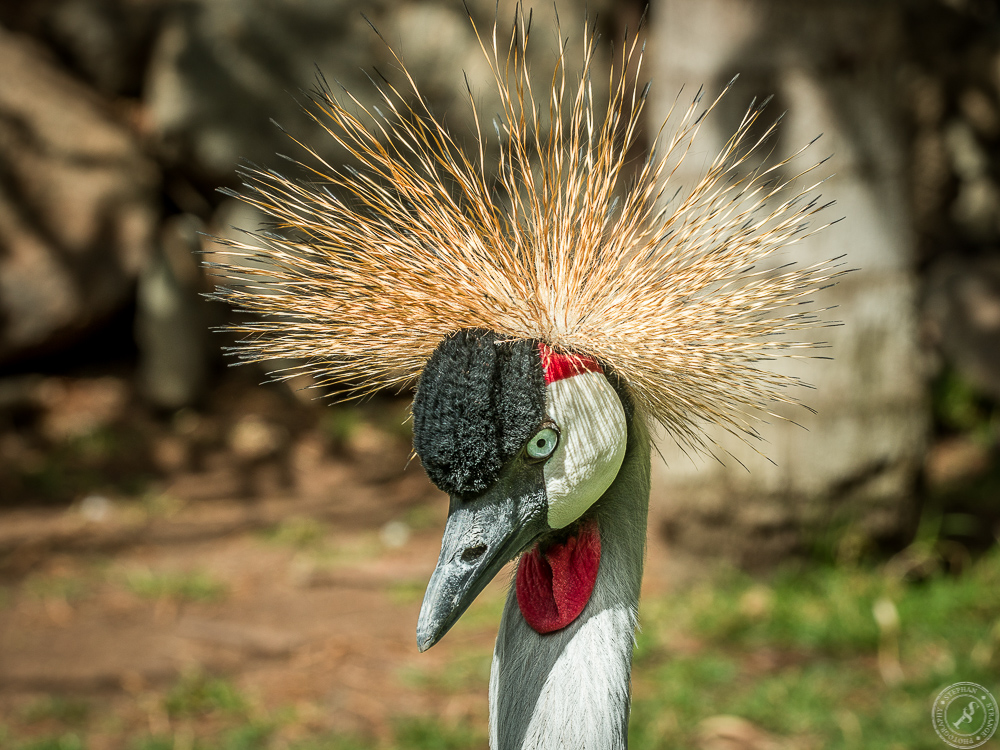
Big Birds Portrait

Big Birds Portrait

Big Birds Portraits. Some shots of big birds taken at zoos. I dont realy like the zoo ambience or the zoo mood. I allways try to put it out of the picture or to blur it out. If this is not possible, I don t take the picture. Thats why you mostly see the heads of biger animals on my page. You don t have the problem when you do macro shots 🙂

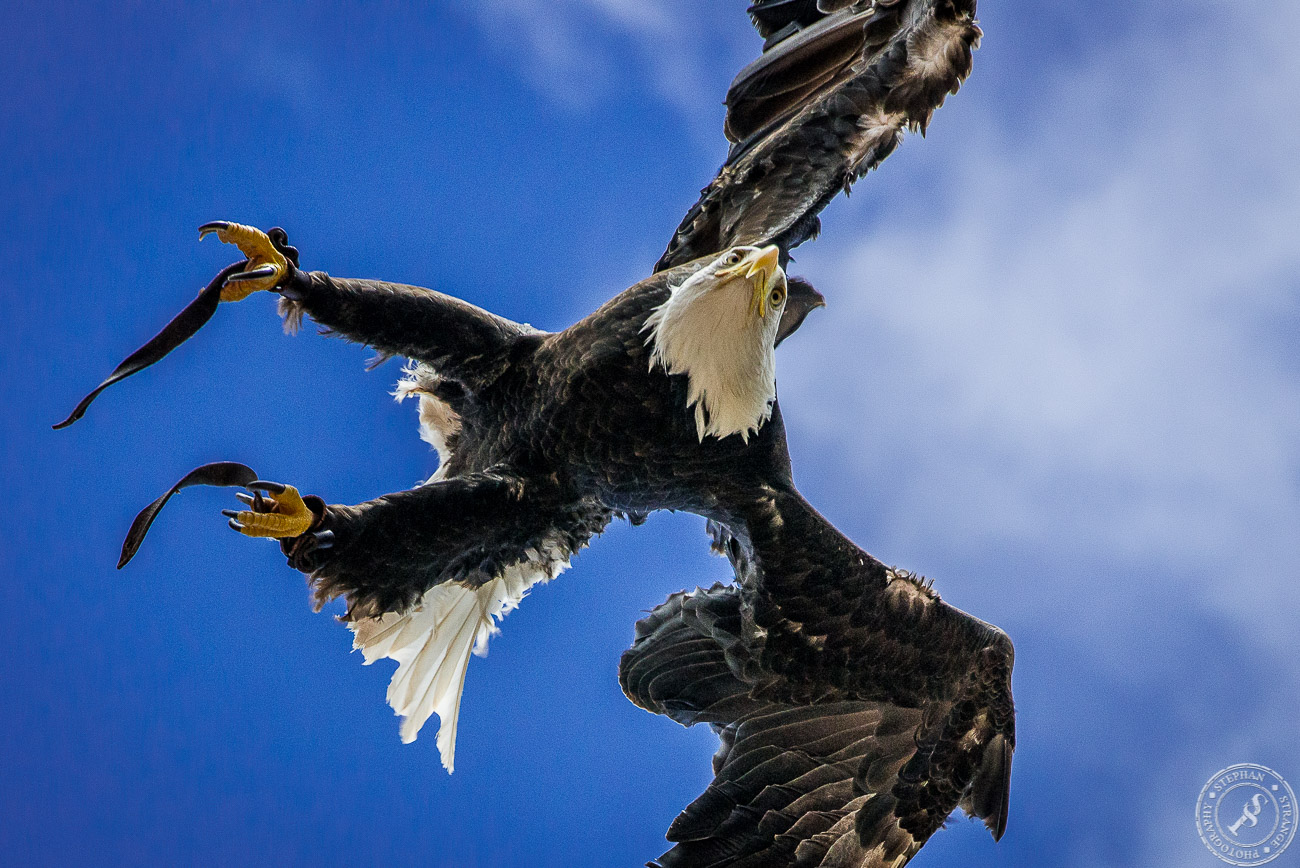
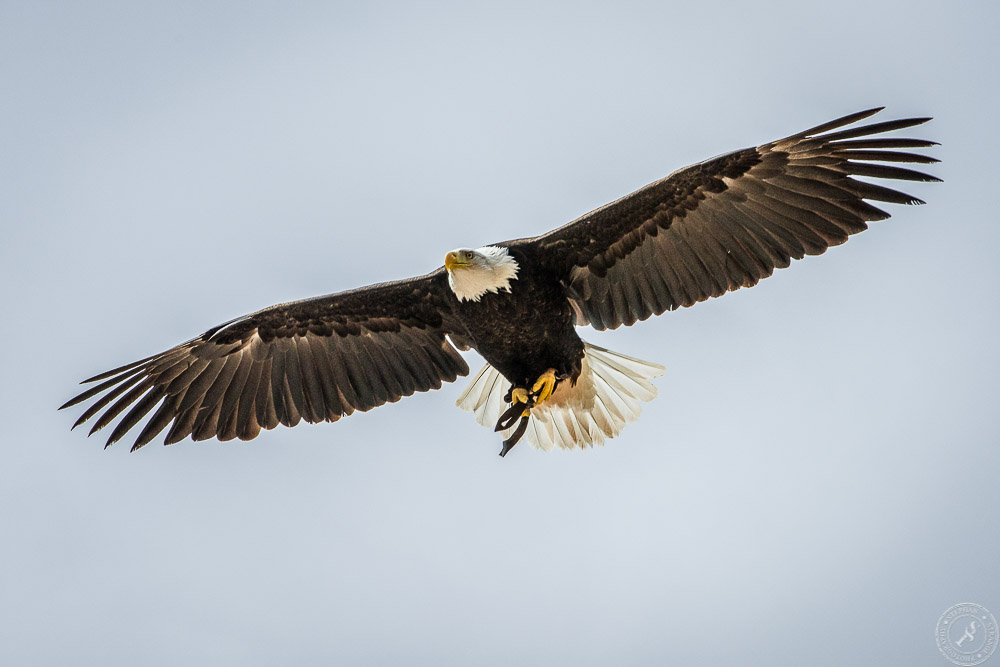
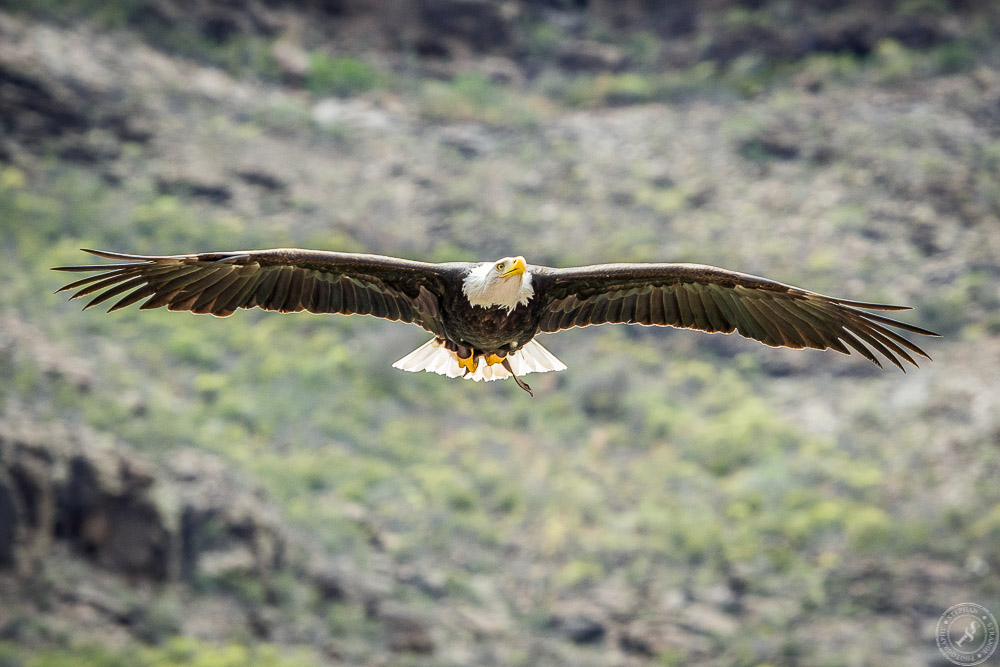
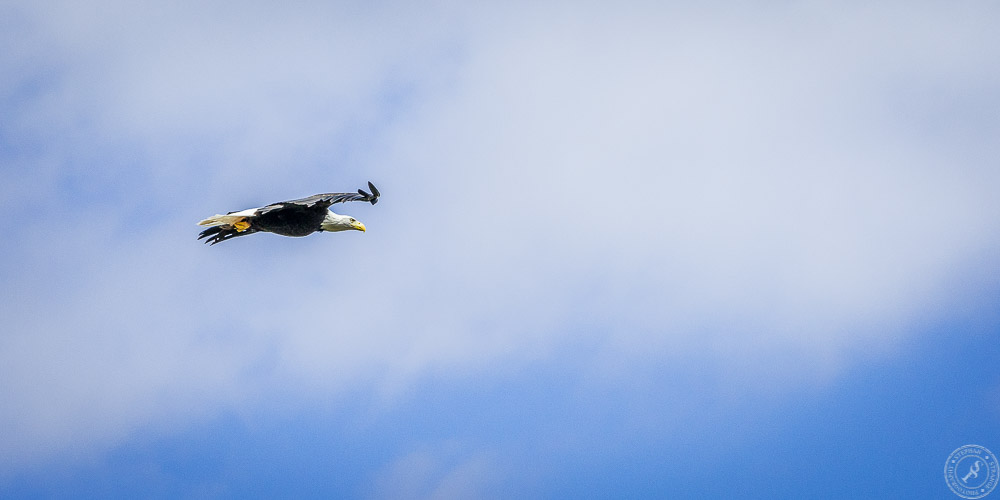
Bald Eagle

A Bald Eagle in the Air

The Bald Eagle. Open winged. High in the air.  Showing us his beauty. The beauty of a real raptor. Sadly I have never seen one in wildlife. Just at bird shows. It`s not a european bird, and my area has no more eagles. Here are just airplanes in the air, and some hawks. So I have to go to bird shows. This Bald Eagle shots are taken on my last holiday at Gran Canaria. At the Palmitos Park exotic Birds free flight show. With my Nikon 70-200mm lens. No I spend money for a hew lens. I need something that goes till 500mm or more.

Squirrels and Ravens

Squirrels and Ravens

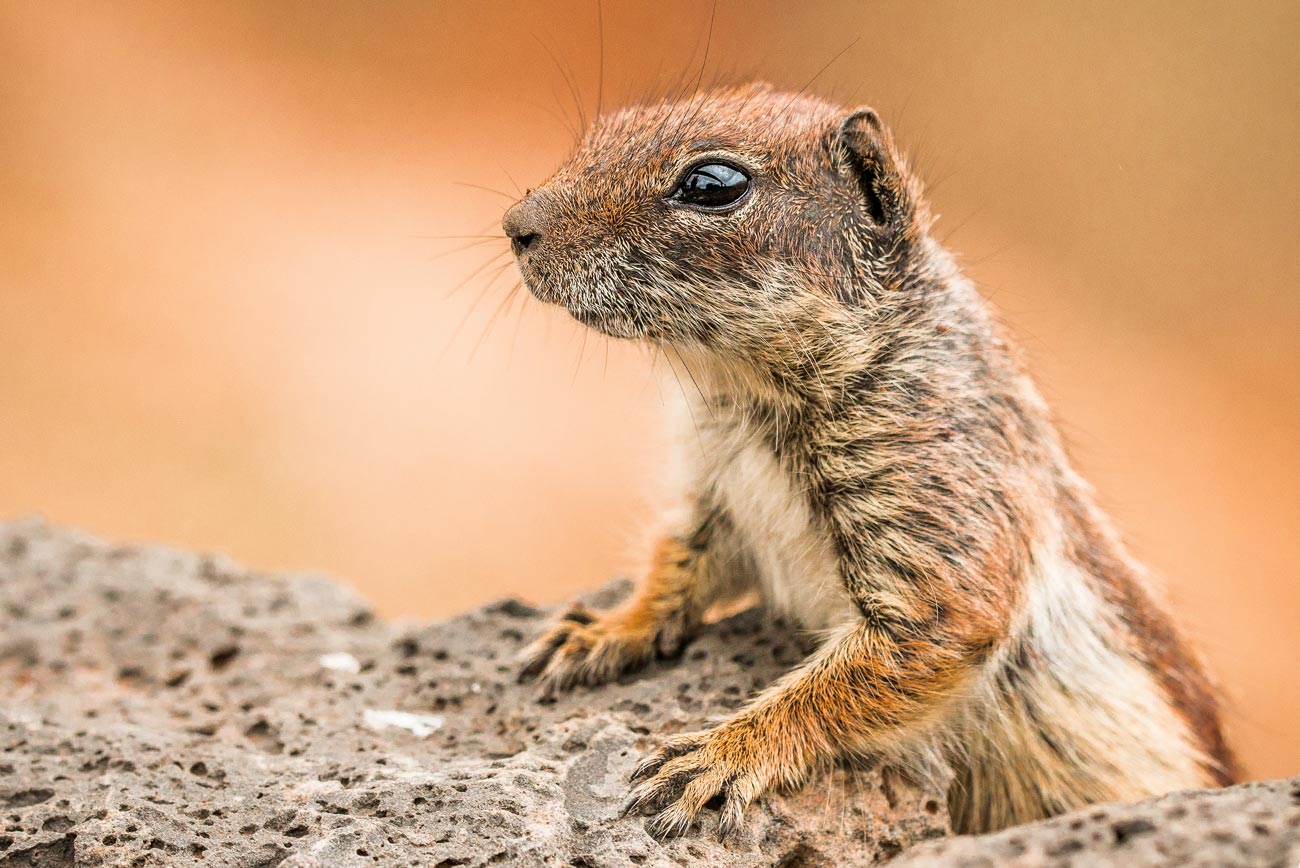
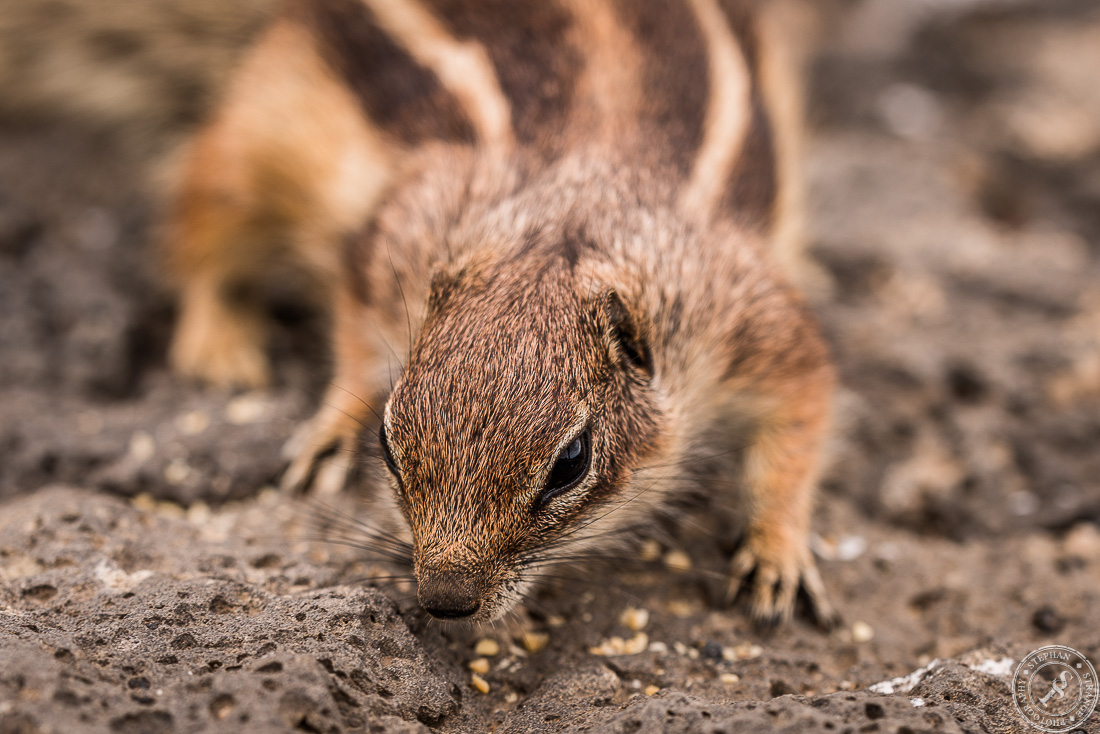
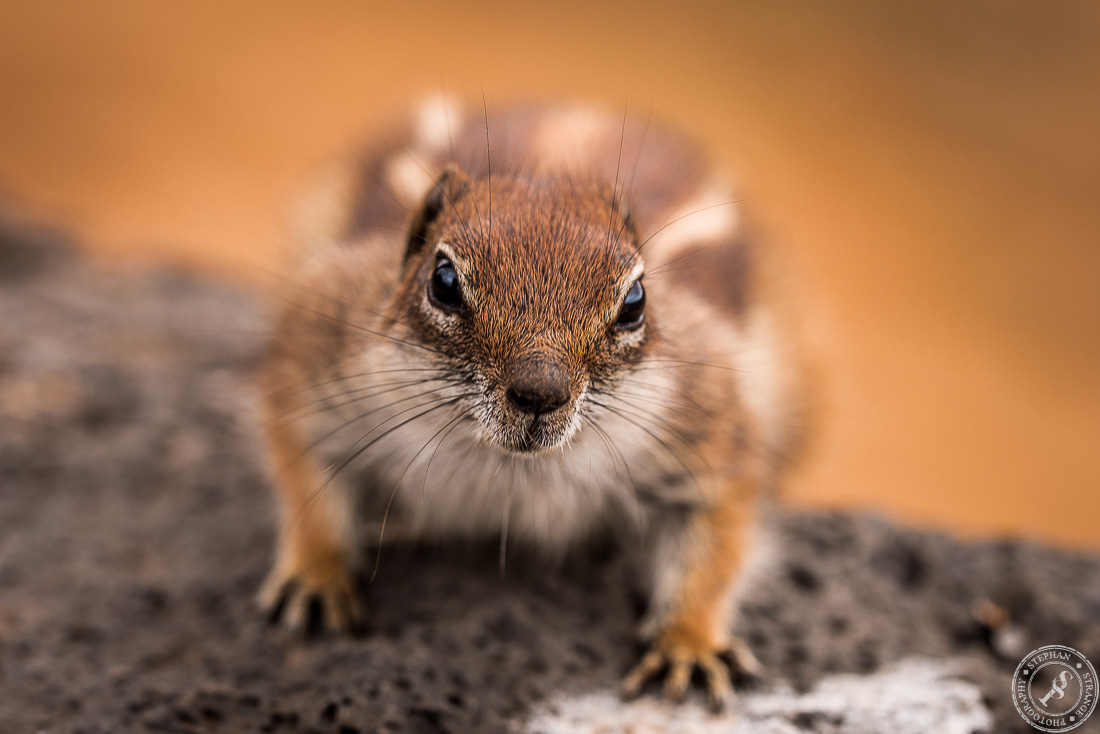
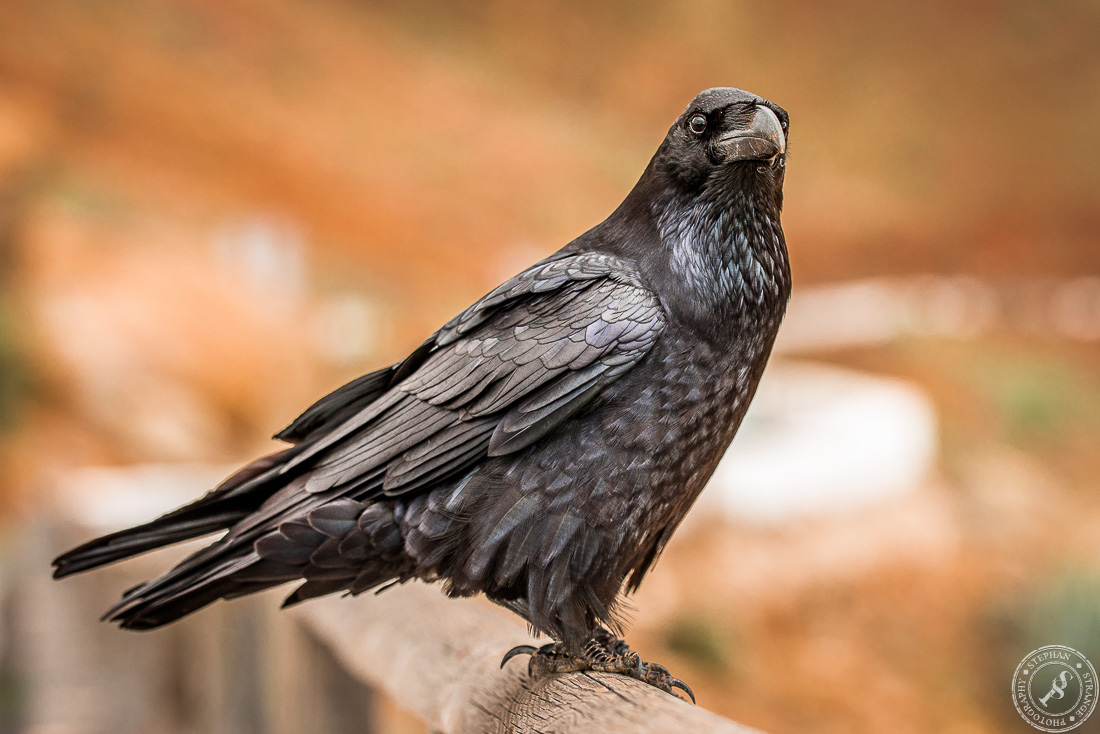
There are not much animals at Fuerteventura. Some Goats, Rabbits, Seagulls and a lot of Squirrels and Ravens. Mostly I  saw the Squirrels and Ravens on the same place. They seems to live in something like a symbiosis. They share the same food source. Tourists 🙂 who feed them. And thats a big problem there. The Squirrels, exactly Barbary Ground Squirrel (Atlantoxerus getulus) are like a plaque for the island. They where brought by humans th this island in the early 1965er because they are so sweet and friedly and now they are eating everything there. Thats a big problem for the barren nature there and for the ther animals.

I am not shure if the bird is a Raven or a Crow. I could read the differences at wikipedia, but its hard for me to use this knowlege in real life 🙂 So feel free to contact me what kind of Raven or Crow the black birds are.

Fuerteventura ist voll von Atlashörnschen und Raben. Sie scheinen in einer art Symbiose zu leben. Jedenfalls waren über all wo ich auf die Hörnchen getroffen bin auch die Raben nicht weit. oder sind es Krähen? ich kann die immer nur schwer auseinander halten. irgendwie ist für mich alles was schwarz und größer als eine Amsel ist ein Rabe. Die Atlashörnschen sind zwar sehr zutraulich und fressen sogar aus der Hand, aber für Fuerteventura sind sie eine große Plage. Irgendwann 1965 wurden sie aus Marokko eingeführt weil sie so süß und zutraulich sind. Aber inzwischen haben sie sich so sehr vermehrt das sie den wenigen einheimischen Tieren die Nahrung weg fressen. Und allgemein die Pflanzenwelt dezimieren. Auf der kargen Insel wächst ja nicht wirklich viel. So ist das ja irgendwie immer wenn der Mensch in die Natur ein greift. Es kann nur schief gehen.
 

Tailed Jay

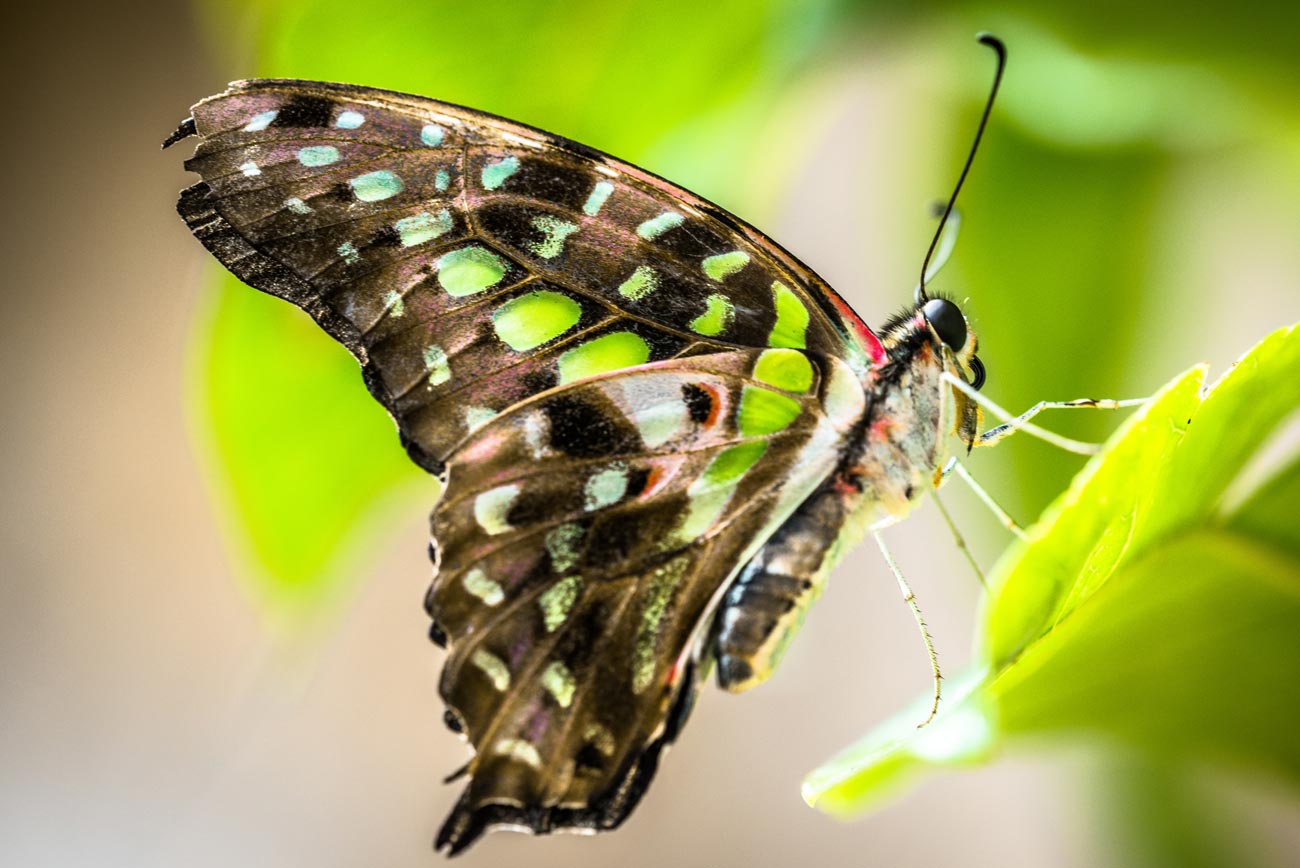
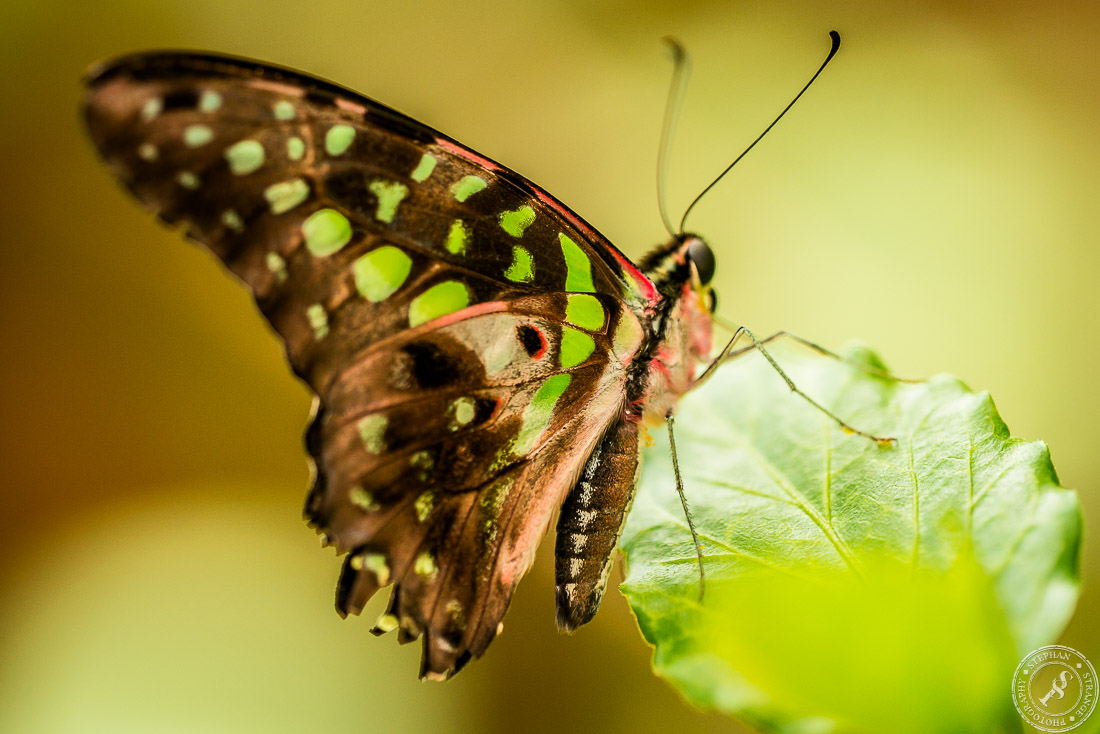
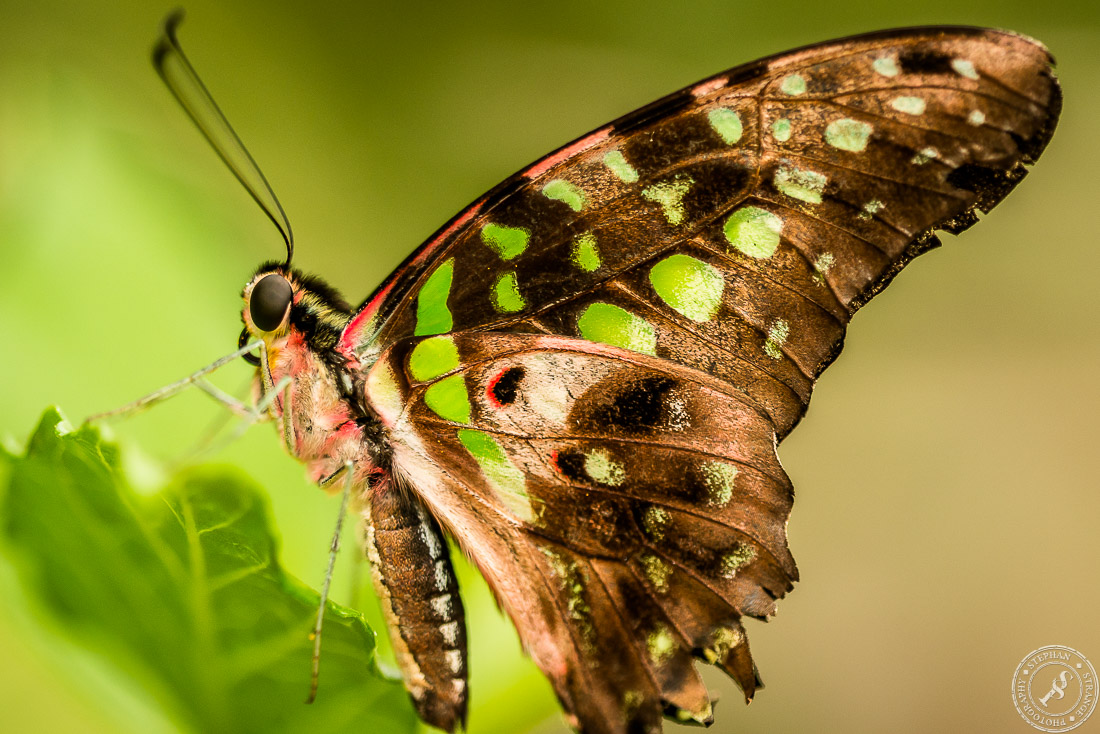
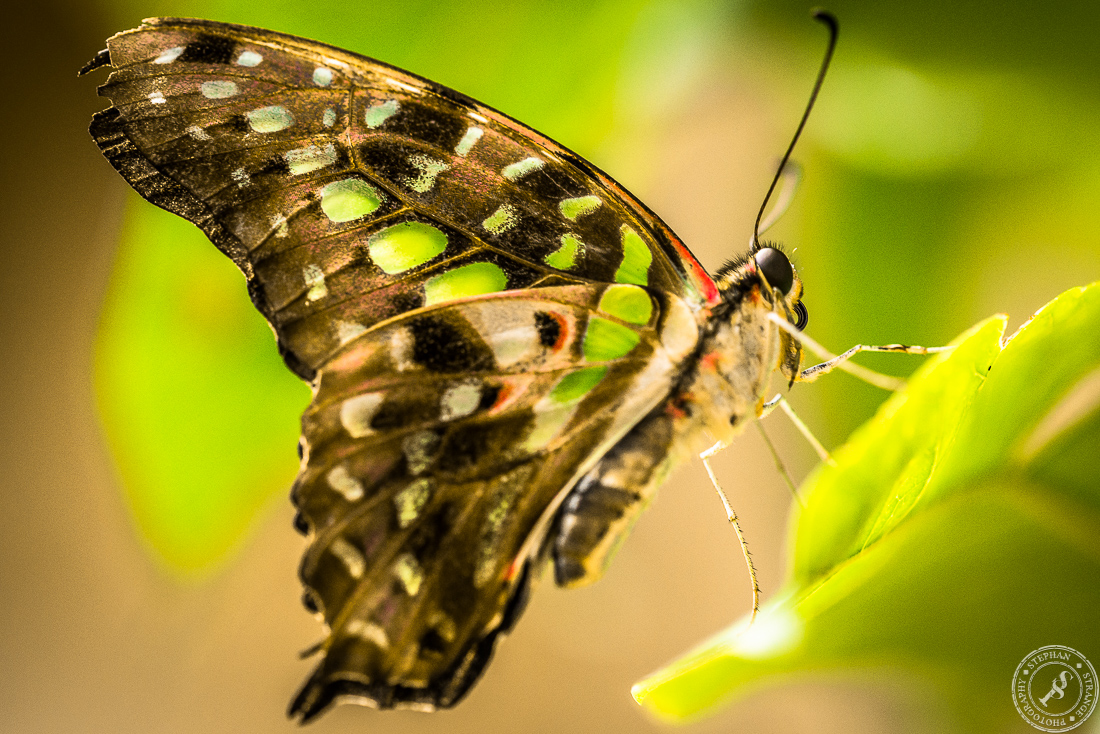
The Tailed Jay – Graphium Agamemnon

This is not a typical christmas posting. I have no girl with a sexy christmas dress for this year, or a spanking santa. This year its a butterfly called the Tailed Jay (Graphium Agamemnon). I have to admit that I have no idear about butterflys. I am just into pictures and I have never done butterfly pictures before. I googled the name, before I wrote the posting 🙂 This tailed jay lives in a huge butterfly house in Gran Canaria. I was there with my Sigma 150mm macro and a monopod. I actually came for the birds, not for the butterflys and it was my first time in an butterfly house. First I watched the russian tourists there who tries to catch some butterflys with there iPads and iPhones, but only got unsharp pictures 🙂 Well, thats the benefit of an camera with a fast lens and a high ISO range .-)

Exotic Birds free flight show Palmitos Park, Gran Canaria

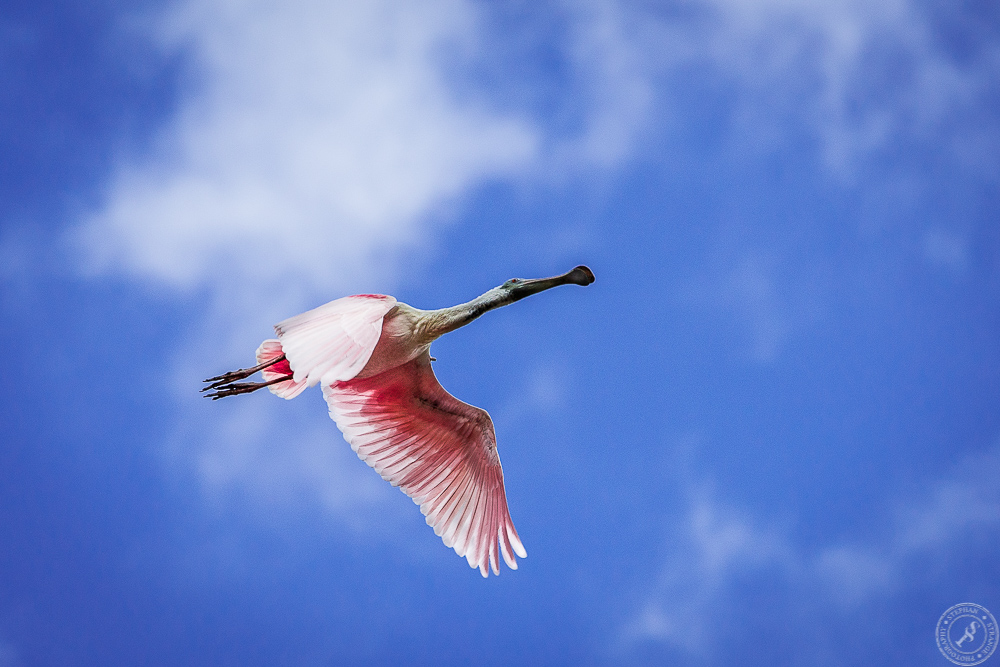
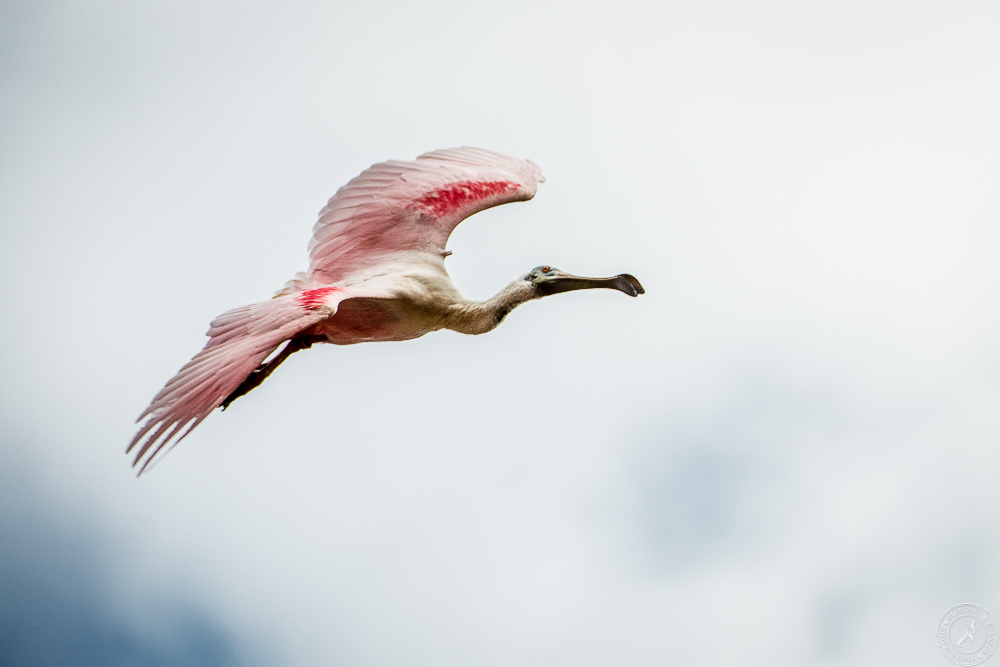
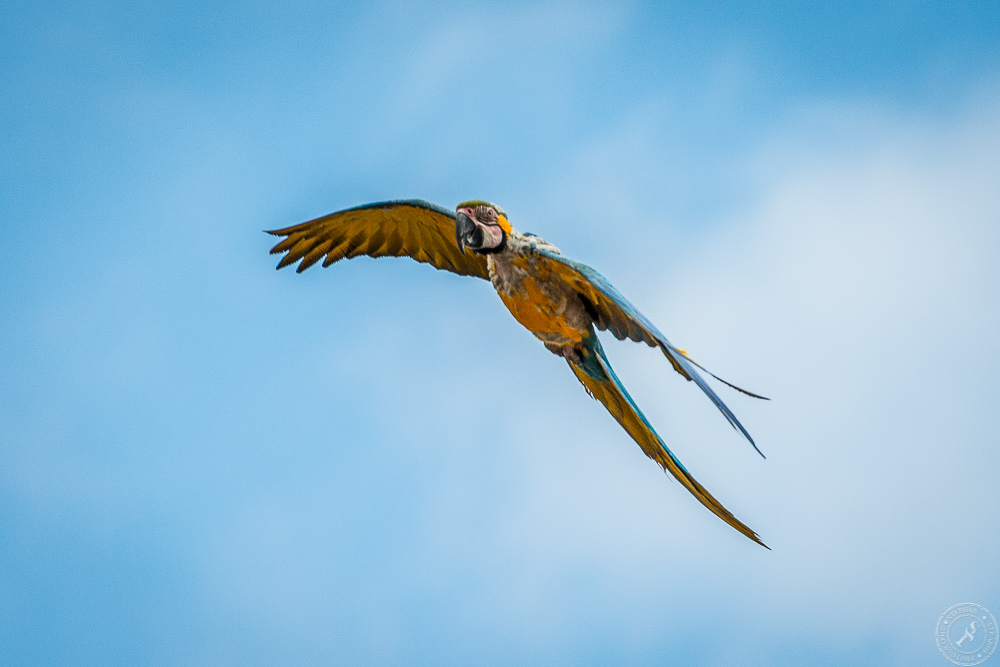
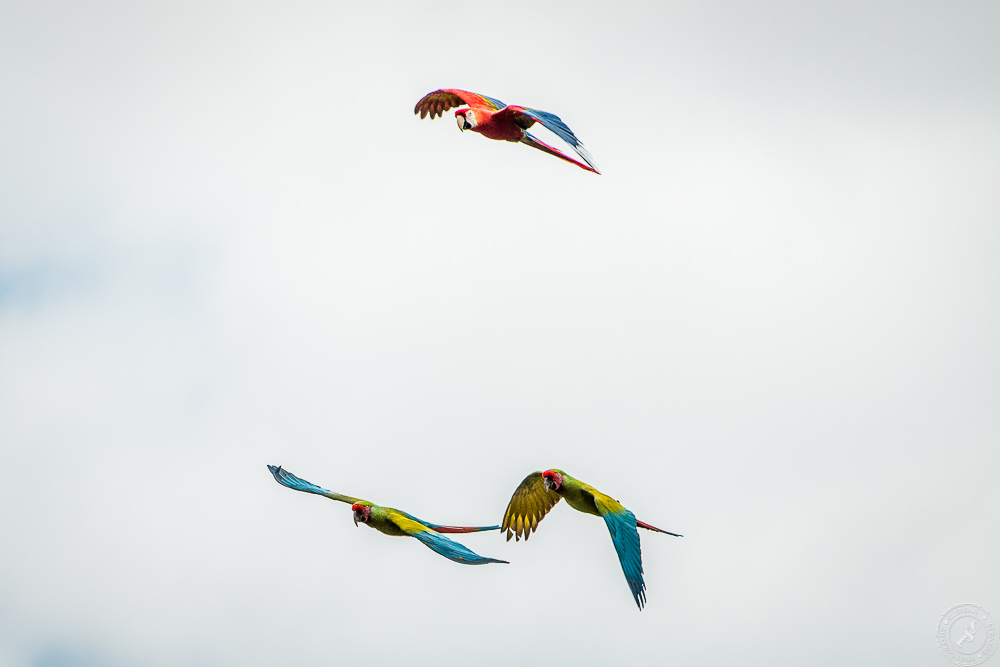
Exotic Birds

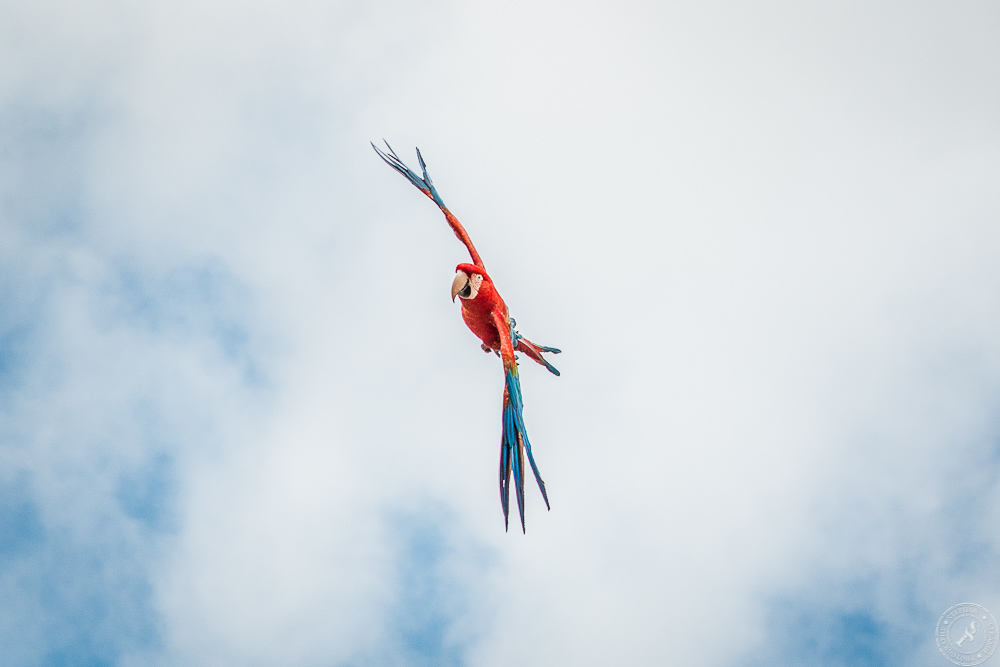
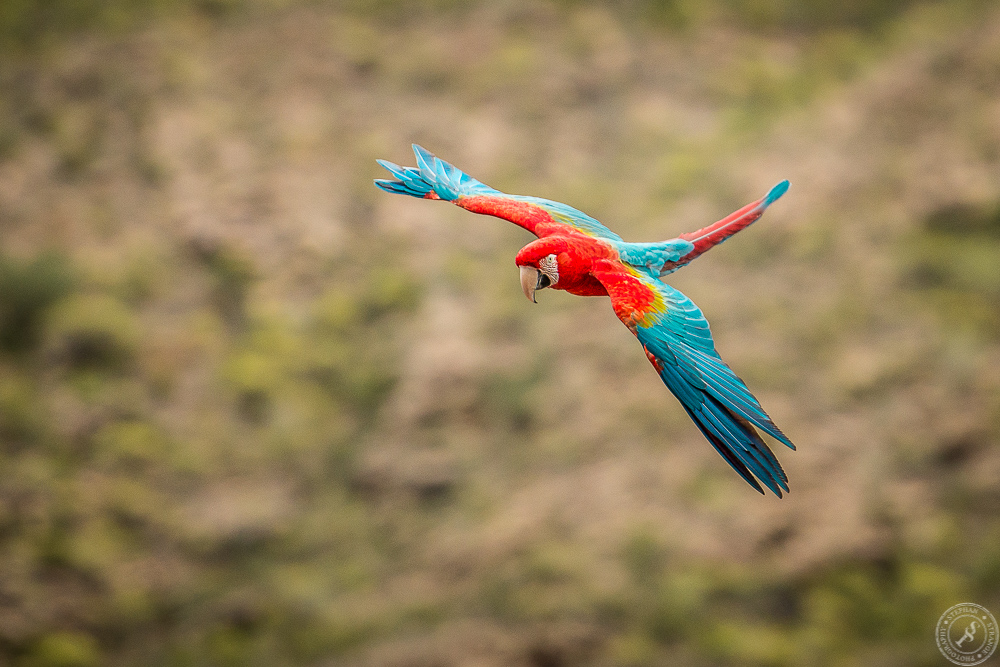
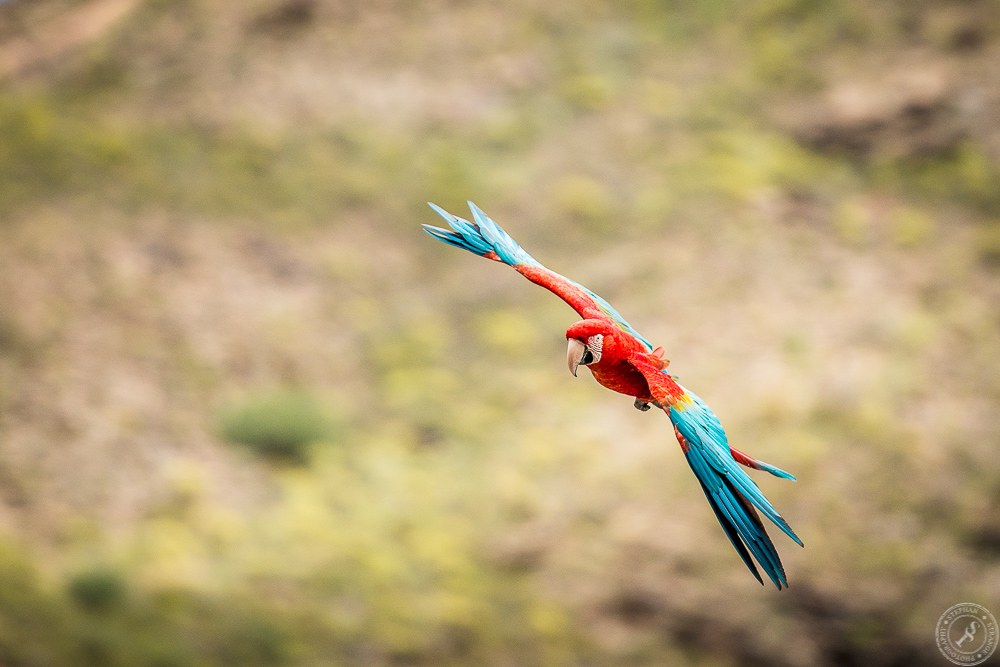
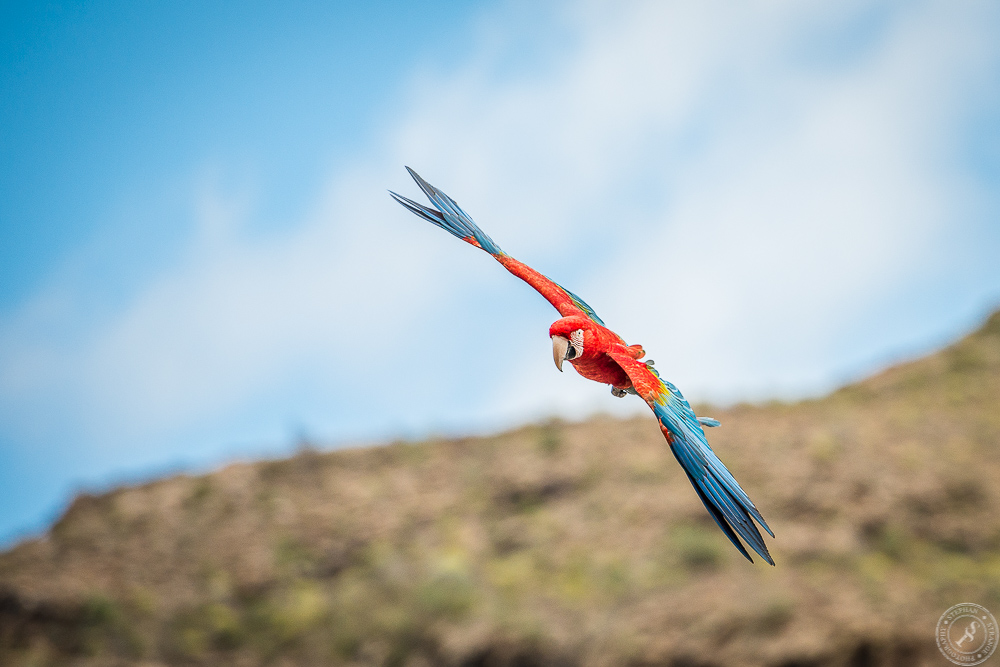
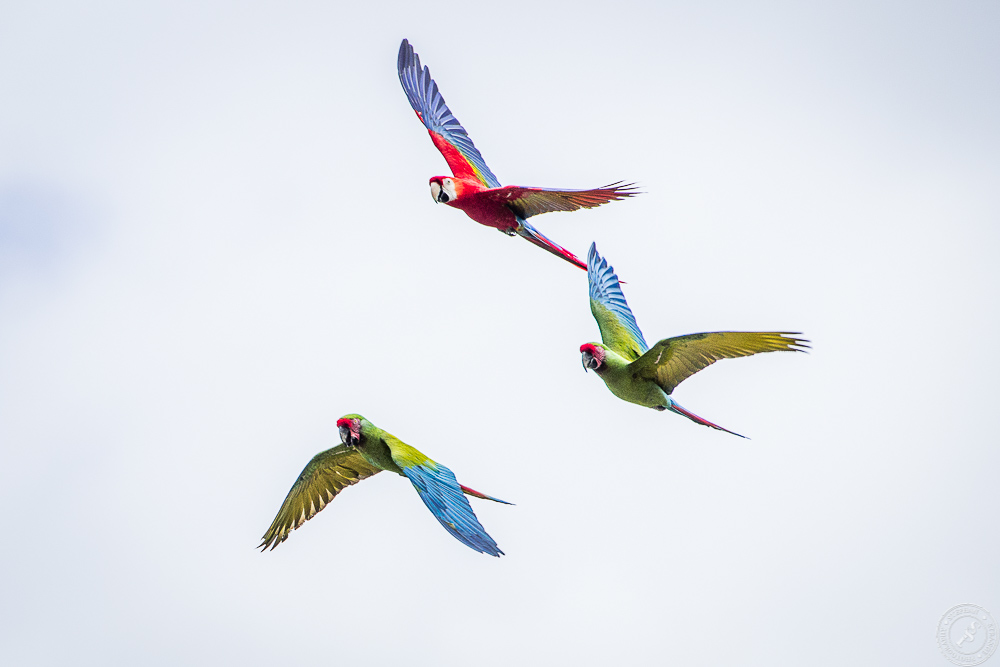
Some for european eyes exotic birds in flight. Taken at the exotic birds free flight show in Gran Canaria. Precisely at Palmitos Park. A medium large Zoo in the south of Gran Canaria. They offers amongst others a exotic birds free flight show, birds of prey show and a butterfly house. The two mentioned shows and the Butterfly house are for me the key reasons to visit this Zoo. I am not a fan of Orca or Delphine shows.

Die Exotische Vögel show war neben der Raubvogel Show und dem Schmetterlingshaus einer der Gründe für mich den Palmitos Park auf Gran Canaria zu besuchen. Delfin oder Orca Shows sind nicht so mein fall, da geh ich lieber zwei mal durchs Schmetterlingshaus und versuche schöne Bilder zu bekommen.

Butterflies

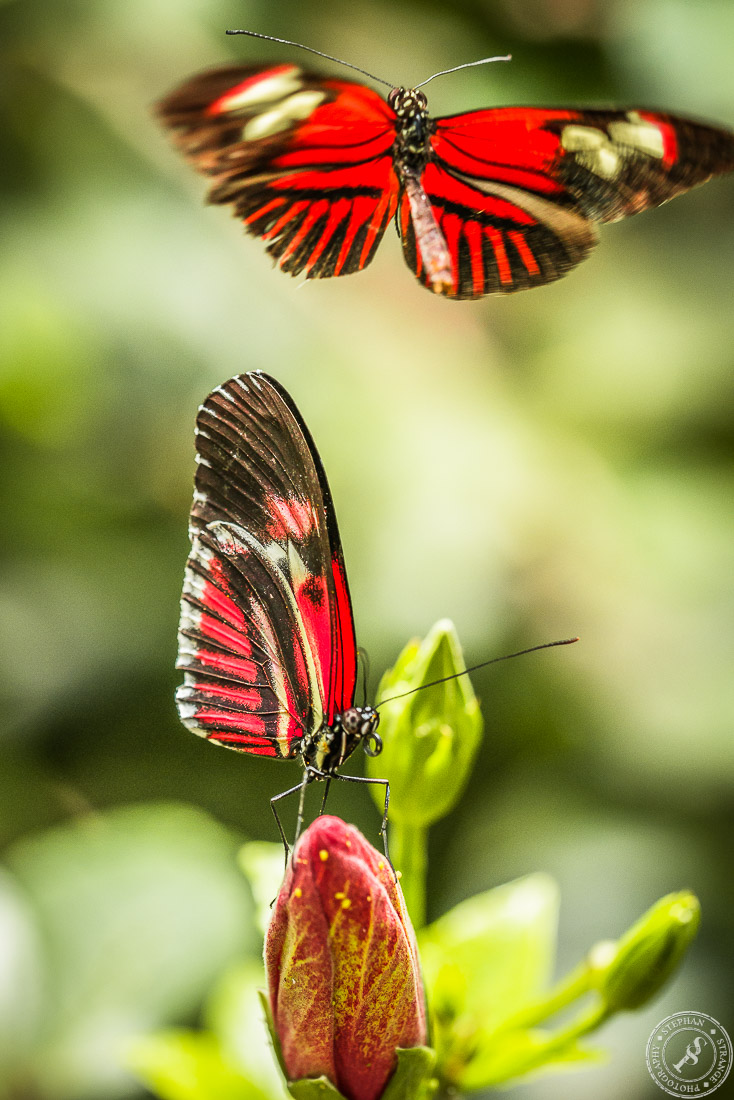
The two dancing Butterflies

Two beautyfull red Butterflies having fun with each other on a closed hibiscus blossom. I have never seen butterfly making love before and I don`t expected that they are doing it tail to tail 🙂 They where so busy whis themselves thaty they don`t noticed me and my 150mm Sigma macro lens. Going close was not difficult. Getting enough light for a closed apperture and for a fast shutter speed was the chellenge here 🙂 You can`t see it but they are indoor pictures. Taken at Palmitos Parks  House of Butterflies. The Butterfly House and the exotic birds flight show are a good reasen to visit this medium size Zoo in the south of Gran Canaria. The Bird House at Palmitos Park is not as big as Loro Parques Bird flight area but they have a raptor and exotic birds flight show there. And a huge House of Butterflys. Using my Monopod for all thouse photos was no problem. No one of the officials cares about my monopod and 150mm macro lens. This is also a plus. You are not everywhere welcome with professional photo stuff.

Ich habe mir eigentlich die Gedanken darüber gemacht, wie sich Schmetterlinge überhaupt fortpflanzen. Jetzt weiß ich es 🙂  Aber ein wenig überrascht war ich schon im ersten Moment, vor allem darüber das sie sich überhaupt nicht gestört gefühlt haben. Sie waren einfach zu sehr mit dem Flattern und rum hüpfen beschäftigt. Nah ran zu kommen war also schon mal kein Problem. Eher das Licht, um eine möglichst kurze Belichtungszeit zu erreichen und die Blende einigermaßen zu machen zu können. Was man nicht sieht, das ganze spielte sich im Schmetterlingshaus ( House of Butterflys) des Palmits Parks auf Gran Canaria ab. Wegen des Schmetterlingshauses und der Vogelflugshow hatte sich der Besuch dort für mich gelohnt. Delfinshows interessieren mich nicht, und gegen das Vogelhaus im Loro Park kommen sie dort auf keinen Fall an. Wenn man das kennt und als Maßstab nimmt ist man eher enttäuscht.

Lizard

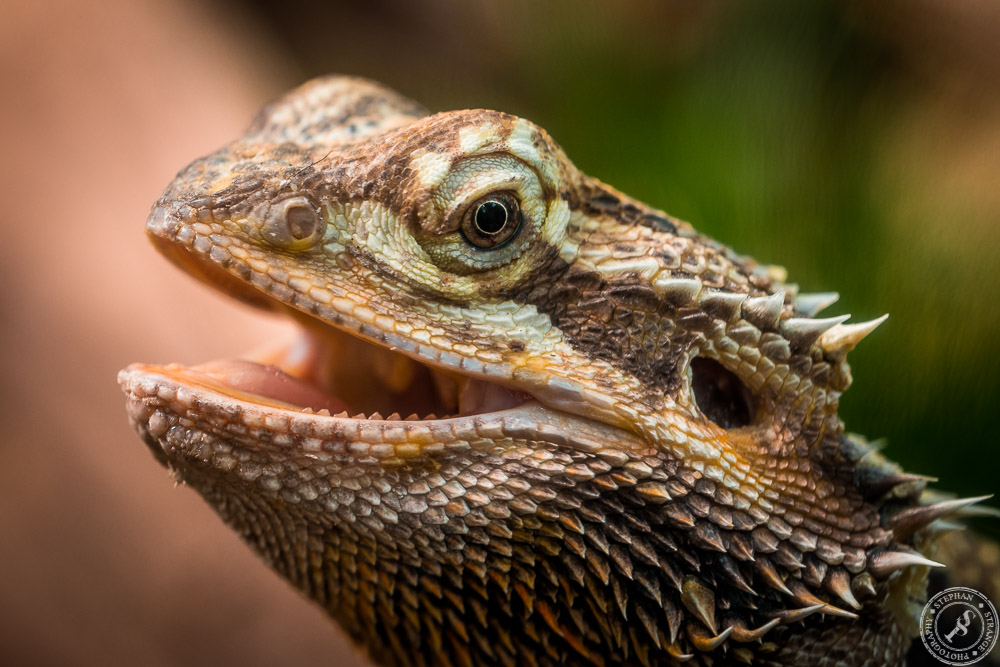
Several Lizard head photos taken at Zoo Frankfurt

Lizard heads. Actualy I dont know this kind of animals very much. I even don`t know there names. And I forgot to take pictures of their name plates 🙂 So I can`t tell you what kind of Lizzard they are. I ordered a new Sigma 150mm F2,8 EX DG Makro HSM lens via Amazon and went to the Zoo Frankfurt for some test pictures. The Zoo Frankfurt was rebuild after World War Two by Bernhard Grzimek, a renowend zoo director, editor and the first german oscar winner. The Zoo is in the middle of Frankfurt and has a lot of animals, a big exotarium where I took the lizard pictures. The Sigma 150mm lens did a good job on the lizard heads. Only the dept of fields is sometimes little bit to high. I had to chose between a higher dept of fields or reflections in the terrarium screen.

Ein paar Eidechen (Lizard) Köpfe aus dem Frankfurter Zoo. Es sind Testaufnahem für ein Sigma 150mm F2,8 EX DG Makro HSM Objektiv welches ich mir über Amazon kommen lies. Das Objektiv machte einen guten Job an meiner NIkon d800 also hab ich es behalten. Die Schärfe ist sehr aktzeptabel und der Wackeldackel machte einen guten Job. Im Prinzip muß man nicht so weit ran an die Tiere, aber in der Realität sieht das dann schon wieder anders aus. Durch die Spiegelungen in der Glasscheibe hab ich die Gegenlichtblende direkt auf dem Glas aufgesetzt. Wodurch ich ab und an etwas zu nah drann war und nicht den gesamten Kopf scharf bekommen habe.


Hawk

A proud hawk – The beauty of a flying hawk

A beautyfull hawk flying high into the sky. It was a very sunny day at Palmitos Parks  hawk free flight show. Mostly blue sky just some clouds. Perfect for taking hawk pictures. I have no realy tele lens just my Nikon 70-700, my universal weapon 🙂 So with this lens its hard do take some hawk pictures in real wildlife. I hope to get a 150-600 or 200-500 some day, till then I have to go to bird shows like this for taking hawk or birds in flight pictures. The Palmitos Park is a nice little zoo in the south of Cran Canaria. They have a lot of free flight raptors in ther free flight show, such as Eagles, Marabous, Hawks, and a show with exotic birds. I can also recomend the big butterfly house. The rest is zoo standard. Some meerkats, turles, apes, a botanic garden, the usual zoo stuff 🙂 But the birdshow impressed me very much. Its not only the birds, its the the whole surrounding thats impressive. Not build in the middle of a city, like most of the zoos, the Palmitos Park is build deep into a canyon, it gives a nice atmosphere tho the whole setting.

The Marabou

The Marabou

What a suprise. On my last holiday I went to a free flight show of exotic birds at the Palmitos Park. After some parakeets they anounced a very smal bird and than it was a marabou. It was not the first time I saw one, I have already seen Marabous in Kenia, but I have not payed much attention to them because they where allways sitting on dark trees, now moving, not flying. So it was a big suprise for me and seeing such a big bird in flight, a good chance for taking pictures. It was very easy taking the marabou, because its a very huge bird, a stork family member. I used a Nikon d800 and a 70-200 for shooting the marabou in flight.

Ich hab zwar im Palmitos Park auf Gran Canaria nicht meinen ersten Marabou (Marabu) gesehen, allerdingt war dieser deutlich aktiver als seine brüder in kenia. Von dort kannte ich sie nur auf Bäumen rum sitzend und nichts tun. Nur mal laut kreichen wenn man ihnen zu nahe kommt. Auch wenn er zu einer Vogelshow gehörte war ich doch sehr froh mal einen marabou im Flug fotografieren zu können. Diese art von Storch sieht man ja sonst außerhalb Afrikas eher selten. Denke ich jedenfalls. Und in einen Vogelkäfig gehört er bei der Größe nun nicht wirklich. Da schaut man ihn sich doch lieber in der Luft bei einer Vogelflugshow an 🙂